Commodity directory
Commodities

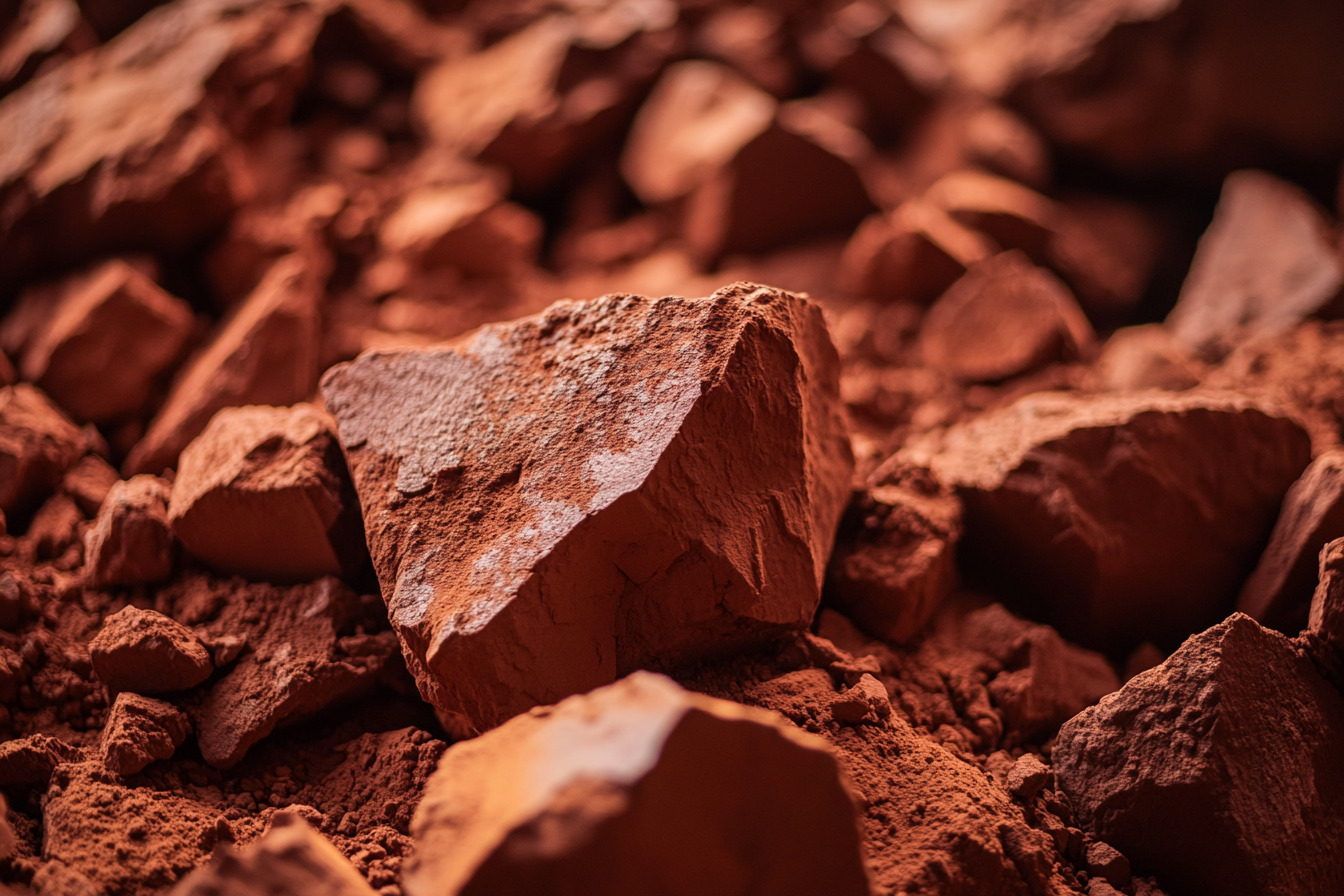 Aluminum
Aluminum is a lightweight, ductile, and malleable metal that is highly resistant to corrosion. It is the most abundant metal in the Earth's crust, making up approximately 8% of the...
Aluminum is a lightweight, ductile, and malleable metal that is highly resistant to corrosion. It is the most abundant metal in the Earth's crust, making up approximately 8% of the planet's crust. The primary source of aluminum is bauxite ore, which contains aluminum oxide.
The production of aluminum involves two main steps: the Bayer process, where bauxite is dissolved in sodium hydroxide to precipitate aluminum oxide; and the Hall-Héroult process, where aluminum oxide is dissolved in a molten bath of cryolite for electrolysis to produce aluminum metal.
Initially considered rare and precious, aluminum's value was once comparable to gold. However, the invention of the Hall-Héroult process in 1886 made aluminum more accessible, leading to its use in various industries such as aerospace, automotive, construction, packaging, and electronics.
Aluminum recycling has become increasingly important, with secondary production requiring only 5% of the energy used in primary production. This results in significant energy savings and reduced greenhouse gas emissions. The recycling of aluminum contributes to resource preservation and waste reduction, making it an environmentally friendly choice.
Aluminum has a rich history, with its initial isolation by Danish chemist Hans Christian Ørsted in 1825 and the development of its modern production process by Charles Martin Hall and Paul Héroult in the late 19th century. The Hall-Héroult process remains the principal method of extracting aluminum today.
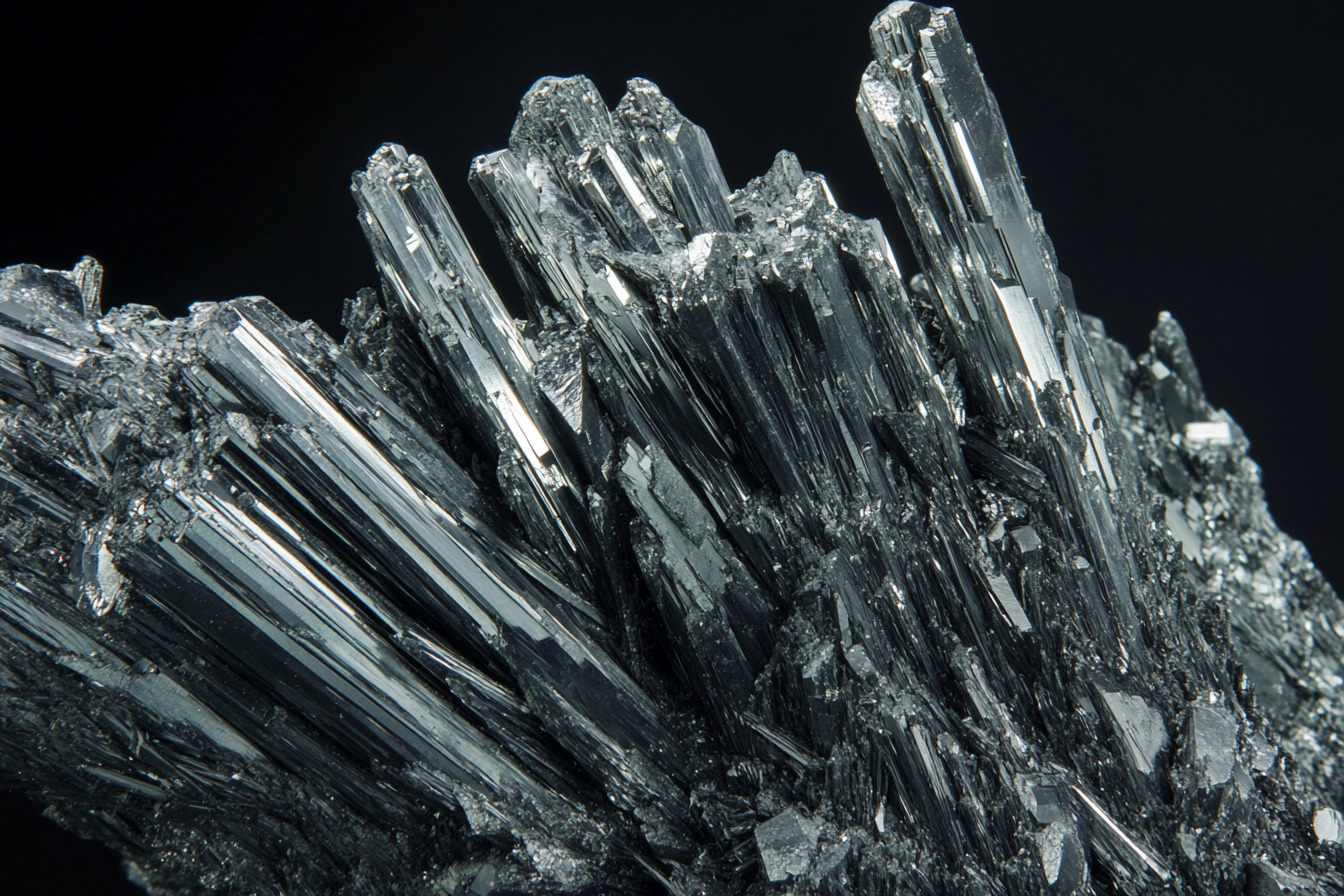 Antimony
Antimony is a chemical element with the symbol Sb and atomic number 51. It is a silvery gray, brittle, semi-metal that is primarily produced from the sulfide mineral stibnite (Sb2S...
Antimony is a chemical element with the symbol Sb and atomic number 51. It is a silvery gray, brittle, semi-metal that is primarily produced from the sulfide mineral stibnite (Sb2S3), which is mainly mined in China, Bolivia, and South Africa. Antimony has several important uses, including as a flame retardant in materials such as plastics, textiles, and electronics, and as a hardening agent in alloys. It is also used in the production of batteries and glass, and as a catalyst in the manufacture of PET plastic.
The history of antimony dates back to ancient times, with its earliest known use in Egypt around 3000 BC for cosmetics and medicines. It was not identified as a distinct element until the 17th century, and pure antimony metal was first isolated in 1741. Originally, antimony was valued for its medicinal properties, but its toxicities became clear as scientific understanding progressed. Today, antimony is predominantly used in industrial applications, such as in the production of flame retardants, batteries, pigments, and alloys.
Antimony is produced through smelting, in which stibnite is heated in the presence of oxygen to convert it into elemental antimony. China is the world's largest producer of antimony, accounting for over 80% of global production. Modern extraction methods involve the roasting of stibnite or other antimony-containing ores to produce antimony trioxide, which can then be reduced to produce antimony metal. Overall, antimony has a diverse range of uses and has undergone significant changes in production methods throughout history, reflecting its unique properties and the ongoing development of scientific understanding.
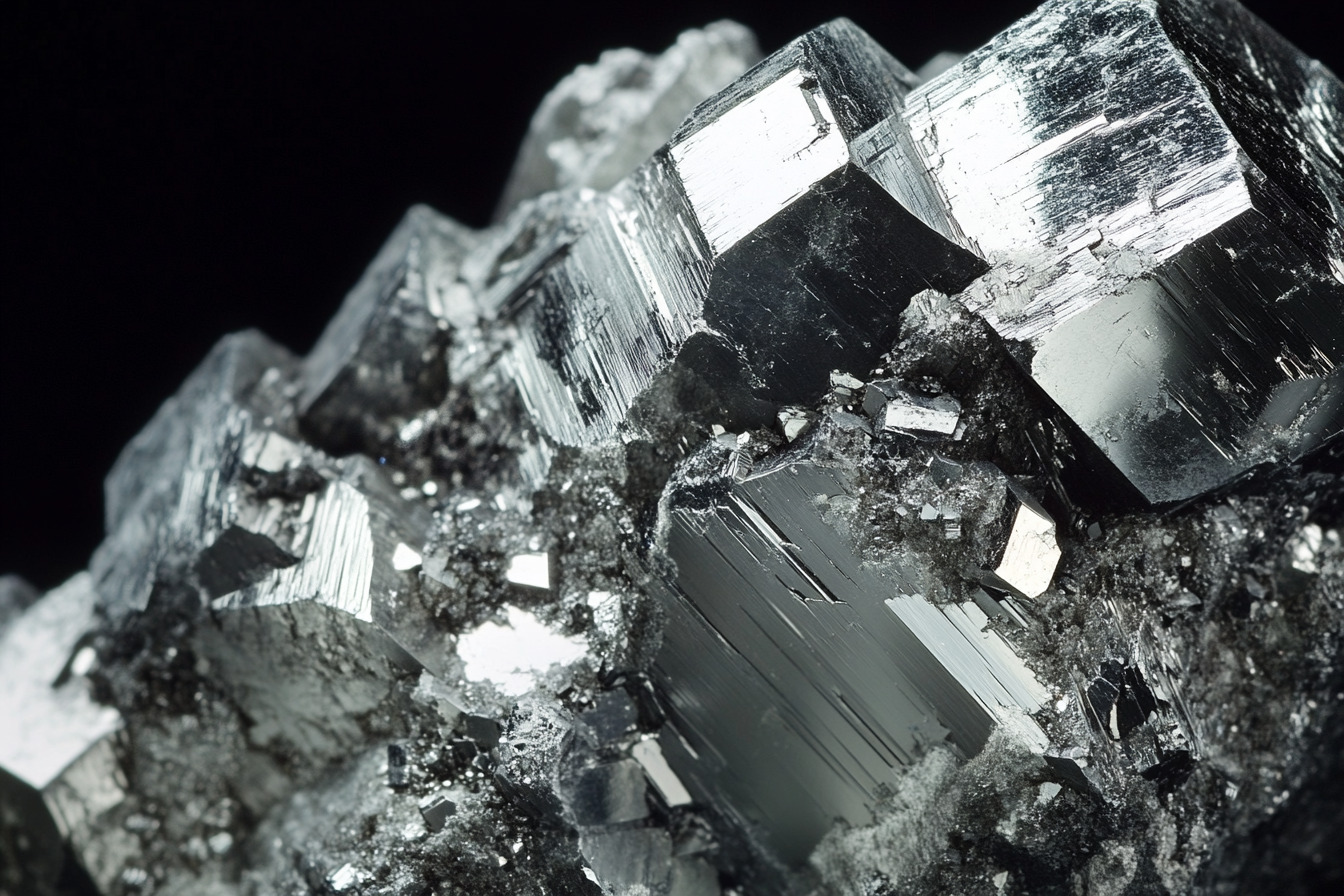 Arsenic
Arsenic is a naturally occurring semi-metal, found in the Earth's crust and originating from mineral deposits due to volcanic activity and rock erosion. With a long history dating...
Arsenic is a naturally occurring semi-metal, found in the Earth's crust and originating from mineral deposits due to volcanic activity and rock erosion. With a long history dating back to ancient China and India, arsenic has had various applications over the centuries. It has been used in wood preservation, pesticide production, semiconductor industry, medicines, and even as a poison.
The element is typically extracted from ores like arsenopyrite through roasting or smelting methods. Arsenic gained notoriety for its toxicity in the 16th century, which led to its use in rat poison and murder schemes. Its medicinal misuse continued until the 19th and early 20th centuries.
The 17th century saw an increase in arsenic production with the development of a reliable method to produce arsenic trioxide, or white arsenic. This led to diverse applications in industries such as wallpaper production, glassmaking, and agricultural chemicals.
However, the 19th century uncovered health risks related to arsenic exposure, leading to widespread phase-out efforts in consumer products and industrial processes. Today, strict regulations limit exposure to harmful levels of arsenic, although it still poses health concerns due to its past and sometimes current uses.
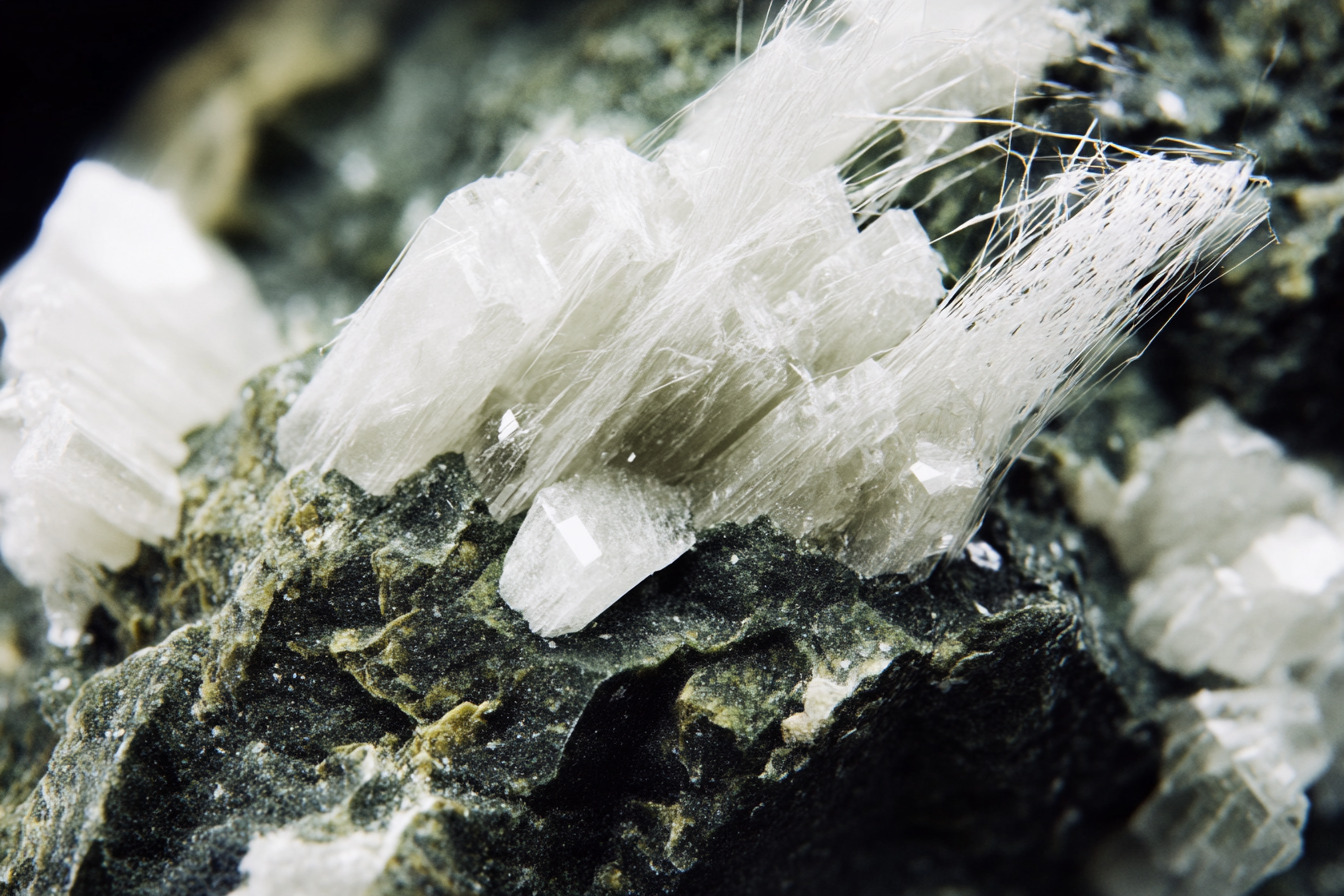 Asbestos
Asbestos is a term that refers to a group of naturally occurring minerals, known for their heat, fire, and chemical resistance. These properties have made asbestos valuable in vari...
Asbestos is a term that refers to a group of naturally occurring minerals, known for their heat, fire, and chemical resistance. These properties have made asbestos valuable in various industries, with its peak production and demand in the 20th century. Its primary uses include insulation, fireproofing, and sound absorption, and it can be found in products like ceiling tiles, roofing shingles, and automotive brake linings.
Asbestos has been mined and used for thousands of years, with the ancient Greeks and Romans being among the first to utilize its unique characteristics. Despite knowledge of the health issues it caused, such as lung ailments, its usefulness outweighed concerns during industrial times.
In the 19th and 20th centuries, asbestos use became widespread in various industries, including insulation, flooring, textiles, and construction materials. However, as early as the 20th century, scientists and doctors raised alarms about the health risks associated with asbestos exposure, linking it to serious diseases like asbestosis, lung cancer, and mesothelioma.
Public awareness of asbestos' health hazards grew in the 1960s and 1970s, prompting stricter regulations and bans in many countries. The United States implemented regulations like the Clean Air Act of 1970 and the Toxic Substances Control Act of 1976, but it did not completely ban asbestos. Countries like Canada, once major asbestos producers, have ceased production due to health concerns and regulations.
However, asbestos production persists in countries like Russia, China, and Brazil, despite the well-known health risks. Its history includes early discovery, widespread use, growing health concerns, and eventual regulations, with many countries taking steps to ban or restrict its use, but global production and presence continue in various applications.
 Beryllium
Beryl is a mineral composed of beryllium aluminum cyclosilicate, with the chemical formula Be3Al2Si6O18. It is primarily found in igneous and metamorphic rocks, such as granites, p...
Beryl is a mineral composed of beryllium aluminum cyclosilicate, with the chemical formula Be3Al2Si6O18. It is primarily found in igneous and metamorphic rocks, such as granites, pegmatites, and gneisses, with its origins linked to the Earth's mantle. Beryl is renowned for its gemstone varieties, which include emeralds and aquamarines. These gemstones are highly prized for their beauty, hardness, and durability.
The mining of beryl targets pegmatites for their large, high-quality crystal concentrations. After extraction, raw beryl crystals undergo cutting and polishing to enhance their natural beauty and increase their value. Beryl crystals are also crushed and powdered for industrial applications, including abrasives, ceramics, and electronics, due to their unique physical properties like high thermal conductivity and strength.
Beryl has a rich historical background, dating back to ancient Rome, where it was used for decorative purposes and as a talisman for good luck. Its practical uses expanded during the Middle Ages, when it was believed to have magical properties and was used in creating precision instruments and optical lenses. The 18th century marked the beginning of beryllium extraction, leading to the production of high-tech alloys and nuclear reactors.
Beryl is highly sought after in the gemstone industry, with emeralds and aquamarines being especially valuable. The increasing demand for high-quality beryl gemstones has led to advancements in extraction and processing techniques, such as x-ray fluorescence and laser technology. Beryl is also used in the production of microelectronics for mobile phones and laptops due to its unique physical properties.
However, the growing demand for beryl and other rare earth minerals raises environmental concerns related to mining practices. Ongoing efforts aim to develop sustainable methods of extraction to minimize environmental impacts. Overall, beryl has been a valuable mineral throughout history, with diverse uses in jewelry, industry, and technology.
 Bismuth
Bismuth is a post-transition metal with the symbol Bi and atomic number 83. It is part of Group 15 in the periodic table, near antimony and arsenic, and is the heaviest mem...
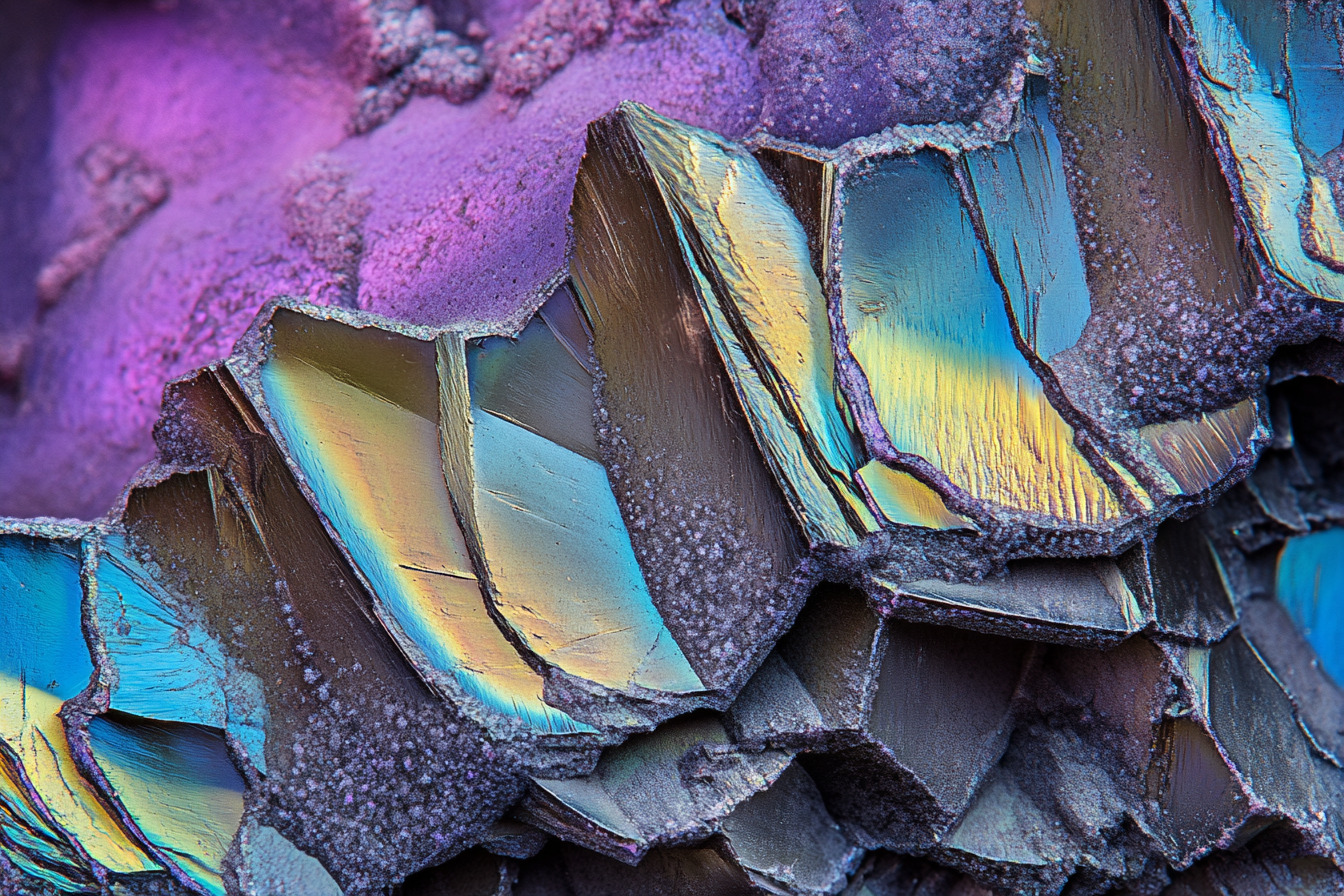
Bismuth is a post-transition metal with the symbol Bi and atomic number 83. It is part of Group 15 in the periodic table, near antimony and arsenic, and is the heaviest member of the pnictogen group. Its origin can be traced to mineral ores like bismuthinite and bismite, with Germany and China being the leading producers.
Bismuth is used primarily in alloys, cosmetics, and medical applications. Its alloys have low melting points and are found in fire sprinklers, fuses, and Pezuila's drips. Bismuth oxychloride is used as a pigment in cosmetics, and bismuth subsalicylate is used in the medical field for treating diarrhea and gastric disorders due to its non-toxic and nonallergic properties.
Historically, bismuth was discovered in the 15th century and recognized as a distinct element, although its use can be traced back to ancient Chinese and Roman civilizations. During the 16th and 17th centuries, it was primarily used as a medicinal substance and in cosmetics. Today, bismuth is obtained chiefly as a by-product of lead, copper, and tin refining processes and is produced through smelting, refining, and recycling methods.
Modern bismuth production has evolved with advances in technology and growing global demand. Current production methods include vacuum distillation for high-purity bismuth and recycling of bismuth-containing waste.
 Boron
Boron
Boron: A Versatile Chemical Element Boron is a naturally occurring chemical element with the atomic number 5, denoted by the symbol "B" on the periodic table. It is not found i...
Boron: A Versatile Chemical Element
Boron is a naturally occurring chemical element with the atomic number 5, denoted by the symbol "B" on the periodic table. It is not found in its free form in nature but exists as compounds in minerals such as borates. The origins of boron trace back to the interiors of stars, where it is produced through nuclear reactions.
With a wide range of primary uses across various industries, boron has become an essential element in modern manufacturing and technology.
- In the metallurgical industry, boron is used as an additive to increase the strength and heat resistance of metals and alloys.
- Boron-based compounds are utilized in the agricultural sector as micronutrients to enhance plant growth and development.
- The manufacturing of glass, ceramics, and detergents also relies on boron.
- It plays a crucial role in the production of semiconductors and other high-technology applications.
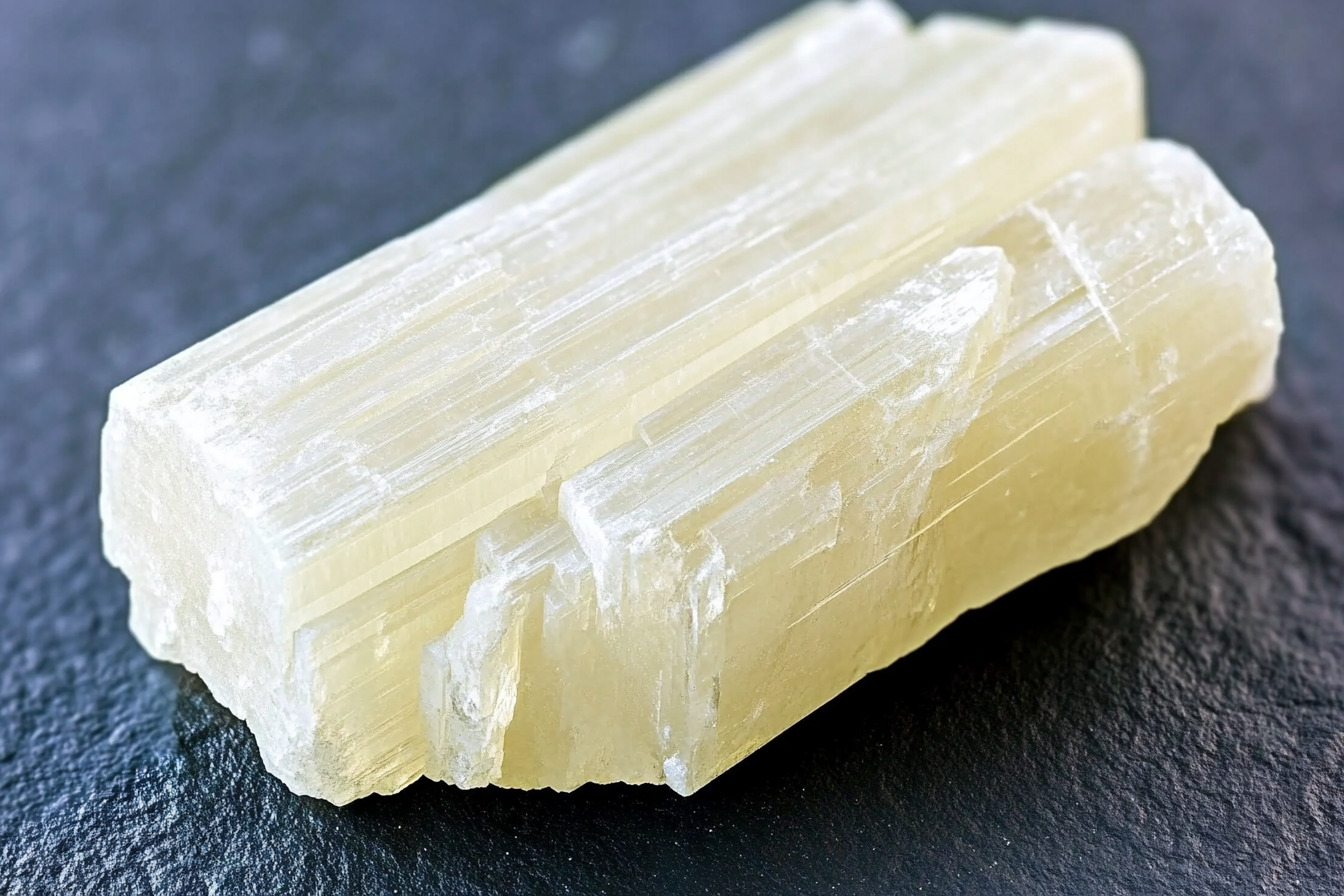
Boron's production process involves extracting boron-containing minerals, such as borax and kernite, from underground mines or open-pit operations. These minerals undergo crushing, concentration, chemical treatment, and further processing to produce pure boron.
First discovered in 1808 by Sir Humphry Davy, Joseph Louis Gay-Lussac, and Louis Jacques Thénard, early applications of boron were limited due to its scarcity and the difficulty in producing pure samples. However, advancements in technology and understanding of its properties have led to expanded uses in various industries, including nuclear power, agriculture, and electronics.
Boron's unique properties, such as high resistance to heat, make it invaluable in producing heat-resistant materials, insulation, and borosilicate glass. Modern production methods aim to increase efficiency, reduce environmental impact, minimize waste, and conserve energy while ensuring high-purity boron products. Further advancements in boron production and application are expected as research continues.
Production Processes
Natural boron is found in two primary forms: borate minerals and kernite. The most common method of extracting boron involves mining and processing borate deposits, followed by several stages of processing, including calcination, acidulation, and purification, to
 Bromine
Bromine is a volatile, reddish-brown liquid at room temperature that easily evaporates into a red-brown gas with a strong, chlorine-like odor. It is the third-lightest halogen and...
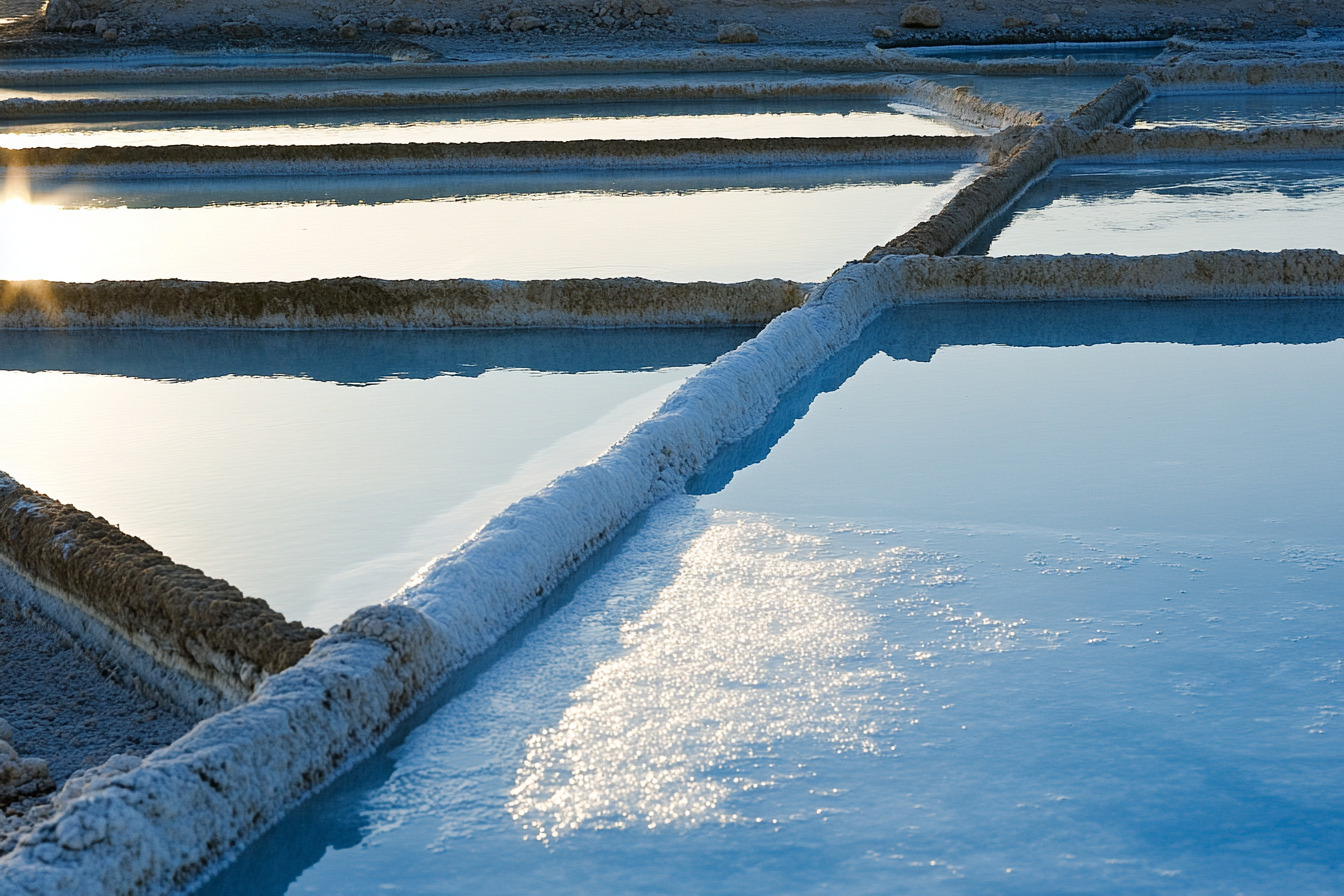
Bromine is a volatile, reddish-brown liquid at room temperature that easily evaporates into a red-brown gas with a strong, chlorine-like odor. It is the third-lightest halogen and is primarily obtained from natural sources such as brine pools, with the United States, Israel, and China being the main producers.
Bromine's main use is as a chemical intermediate in the manufacture of various products, including agricultural chemicals, biocides, flame retardants, dyestuffs, insecticides, pharmaceuticals, and other chemical intermediates. It is also used in small amounts for chemical analyses, in the production of Quaternary ammonium compounds, and as a disinfectant in swimming pools.
The industrial production of bromine involves the treatment of brine with chlorine gas to convert bromide ions to bromine, followed by steam distillation to purify the bromine. Bromine is a chemical element with the symbol Br and atomic number 35, and it was discovered in 1826 by Antoine Jerome Balard and Carl Jacob Löwig.
Historically, bromine's use as a disinfectant became popular in the late 19th century due to its antimicrobial properties. In the 20th century, its use in the chemical industry expanded significantly. However, in recent years, there have been concerns about the environmental impact of bromine production and use, particularly regarding the use of brominated flame retardants and their link to health problems.
 Cadmium
Cadmium is a soft, blue-white metallic element with the symbol Cd and atomic number 48. It is found in the earth's crust, primarily as a minor component in zinc ores, but also pres...
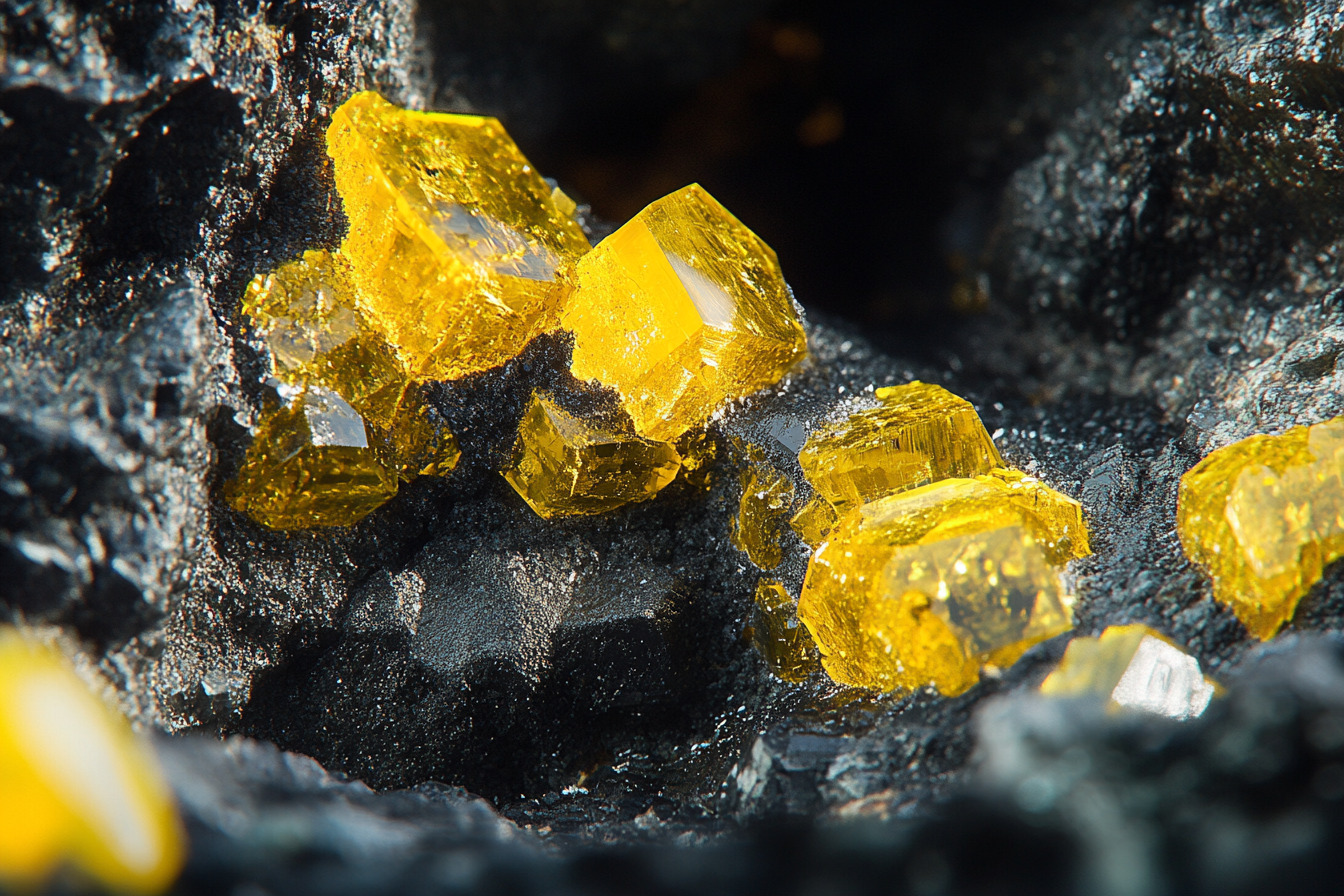
Cadmium is a soft, blue-white metallic element with the symbol Cd and atomic number 48. It is found in the earth's crust, primarily as a minor component in zinc ores, but also present in smaller amounts in copper, lead, and silver ores. The primary use of cadmium is in the production of nickel-cadmium (Ni-Cd) batteries, known for their long life and reliability. Additionally, cadmium is used in pigments, coatings, and plating because of its corrosion resistance. It is also used in electrical contacts and the stabilization of plastics.
Cadmium was discovered in 1817 by Friedrich Stromeyer and its applications initially were limited due to high costs and extraction challenges. In the late 19th century, with more efficient production methods, cadmium uses expanded in various industries such as aerospace, electronics, and nuclear power. Its toxicity and environmental impact raised concerns, leading to regulations and restrictions on its production and use.
In the United States, regulations on cadmium production and use were first introduced in the 1970s. The Restriction of Hazardous Substances (RoHS) Directive, implemented by the European Union in 2006, further limited cadmium use in electronic components. Modern production methods minimize environmental impact and improve efficiency. Cadmium is primarily obtained as a byproduct of zinc and lead refining, and recycling is a significant source.
Cadmium-based paints and coatings have been largely phased out due to health concerns. Despite regulations, cadmium continues to play a crucial role in various applications where its unique properties are required, and efficient recycling is essential for managing its environmental impact.
 Chromium
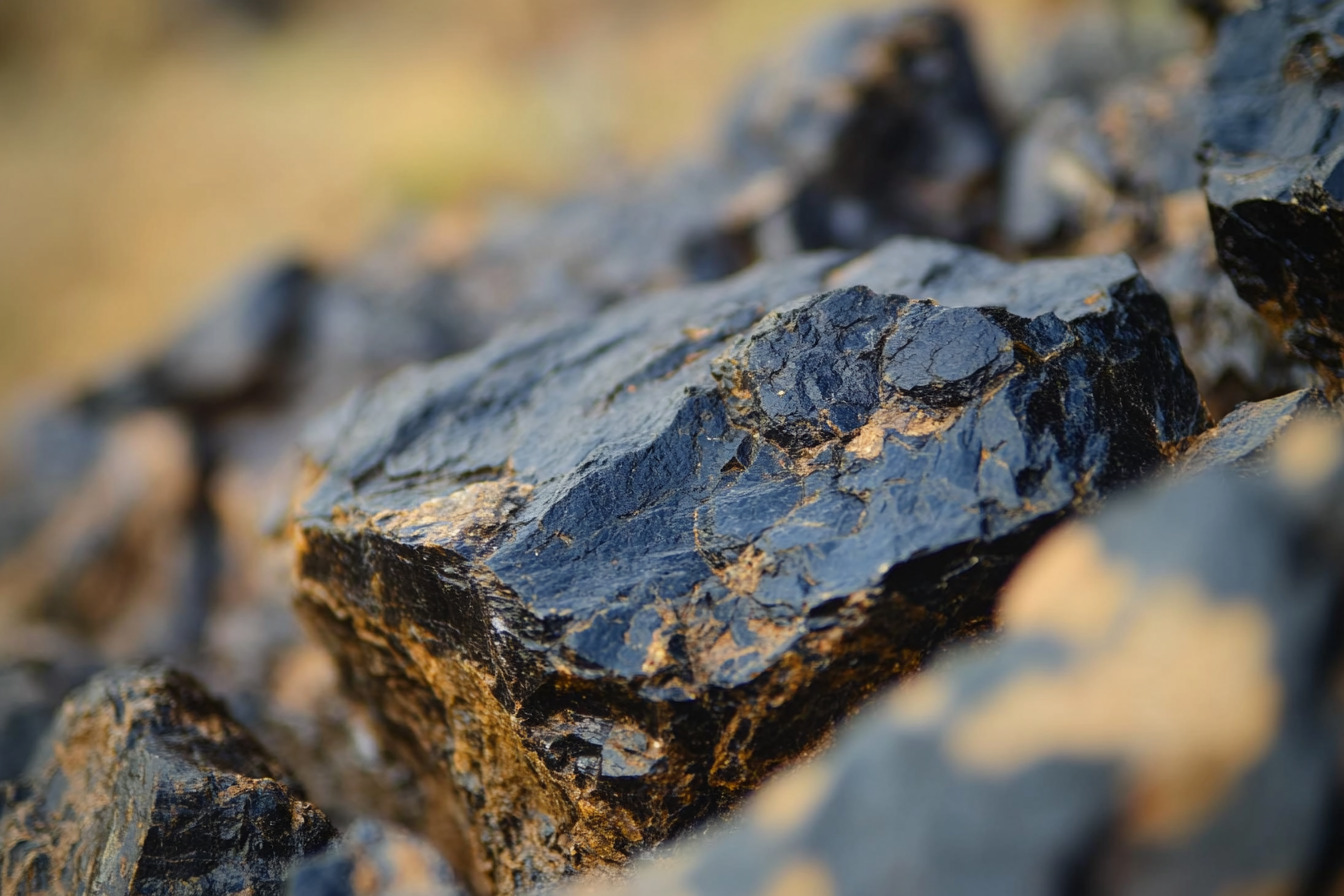
Chromite is a valuable mineral composed mainly of iron(II) oxide and chromium(III) oxide (FeCr2O4). It is primarily found in deep-seated, layered mafic and ultramafic rocks in the...
Chromite is a valuable mineral composed mainly of iron(II) oxide and chromium(III) oxide (FeCr2O4). It is primarily found in deep-seated, layered mafic and ultramafic rocks in the Earth's crust, with significant deposits in countries like South Africa, Kazakhstan, India, and Turkey. Chromite's primary use is in the production of ferrochrome, an alloy essential to the steel industry for increasing hardness, corrosion resistance, and temperature tolerance.
The mining of chromite can be carried out through open-pit or underground methods, depending on the deposit's depth and size. After mining, the ore undergoes crushing, grinding, and separation processes to produce chromite concentrate. This concentrate is then used to create various chromite-based products, such as ferrochrome, for different industries.
Chromite's history can be traced back to 1797, with its commercial production starting in the mid-19th century. Initially, chromite was used for its refractory properties in furnaces due to its high melting point. However, with advancements in extraction and purification methods, the utilization of chromite expanded to the chemical industry and steel production. Chromite demand significantly increased during the World Wars due to its use in armor-piercing munitions and tank armor. Post World War II, the use of chromite diversified further to include high-temperature refractories, protective coatings on metals and alloys, and pigments in various materials.
South Africa leads the global chromite production, followed by Turkey and Kazakhstan. Mining primarily employs the open-pit method, especially in large, shallow ore bodies. A blend of chromite ores with varying chemical and physical properties is mined, crushed, and sorted using gravity separators to produce the desired end product.
 Clays
Clays
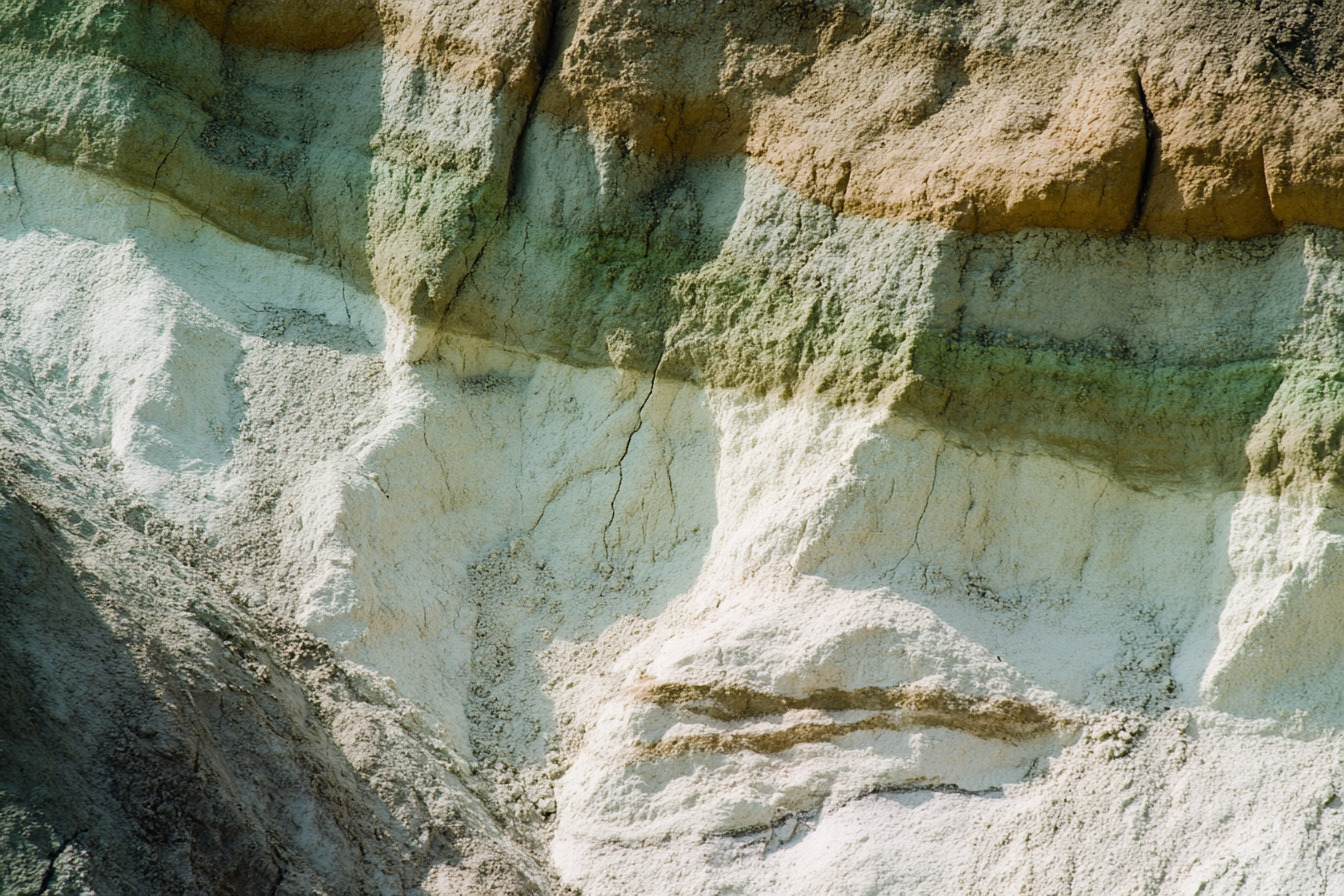
Bentonite is a unique type of clay with a distinct composition, primarily made up of montmorillonite. It originates from the weathering of volcanic ash and was named after its disc...
Bentonite is a unique type of clay with a distinct composition, primarily made up of montmorillonite. It originates from the weathering of volcanic ash and was named after its discovery location, Fort Benton, Wyoming, USA.
This versatile material has a wide range of applications, including:
- Drilling mud for oil and gas wells
- Binding agent in the foundry industry
- Sealant in landfills and ponds to prevent seepage
- Cat litter for its absorbent properties
- Component in iron ore pelletizing
- Used in industries such as construction, drilling, foundry, iron and steel, oil and gas, paper, pharmaceuticals, and cosmetics
- Sealing and lining landfills, binding and stabilizing soil, and providing a barrier for pollution control
- Used as a catalyst in the production of various plastics and as a binding agent in ceramics and refractories manufacture
Bentonite production has evolved from simple excavation to more sophisticated mining and processing techniques, and its global market is expected to continue growing. This growth will drive further innovation and focus on sustainable production methods.
 Cobalt
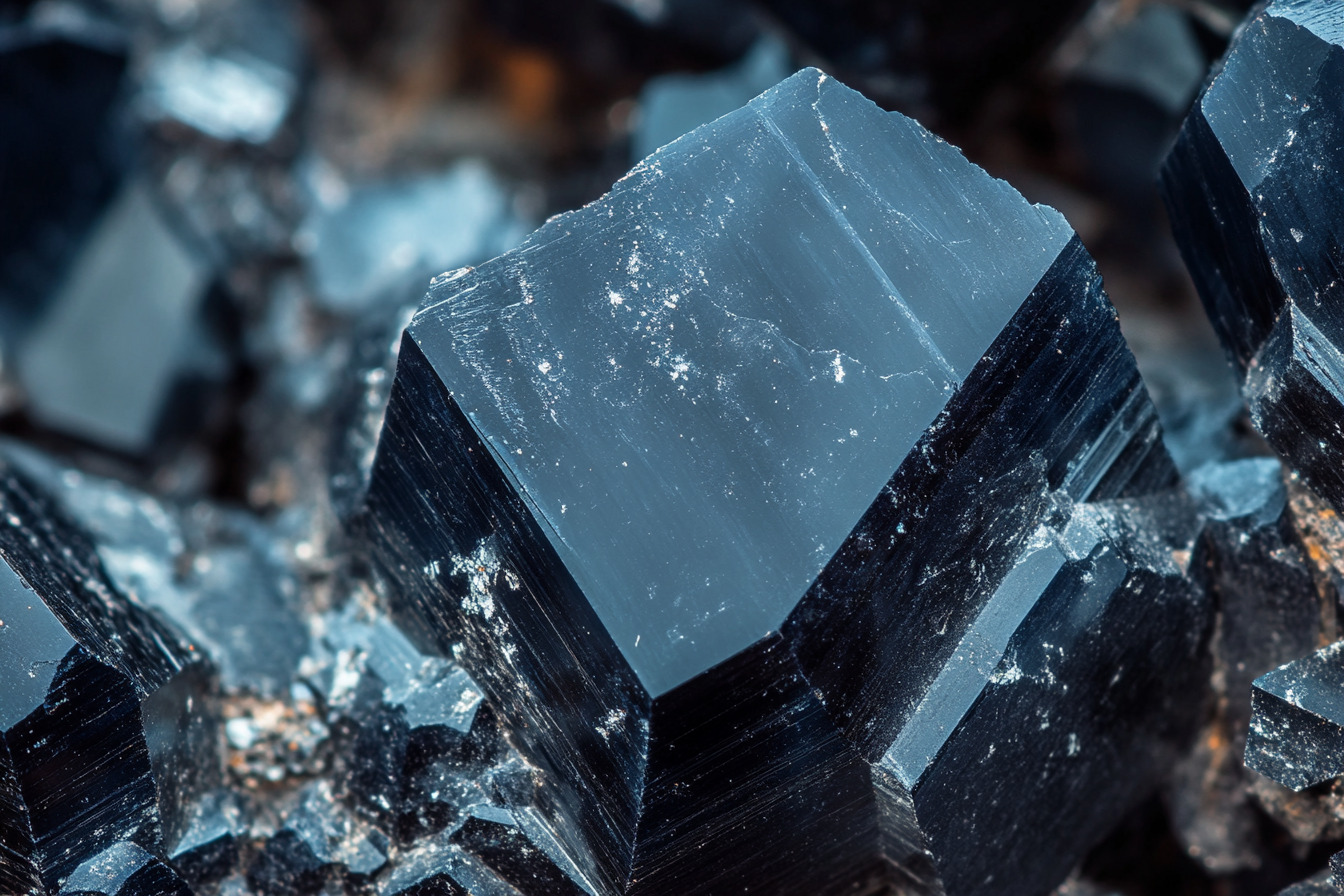
Cobalt is a silver-gray, hard, and brittle metallic element with atomic number 27. It is primarily found in the earth's crust as an oxide mineral, often in association with nickel,...
Cobalt is a silver-gray, hard, and brittle metallic element with atomic number 27. It is primarily found in the earth's crust as an oxide mineral, often in association with nickel, copper, and iron. The Democratic Republic of Congo (DRC) accounts for more than 6
 Copper
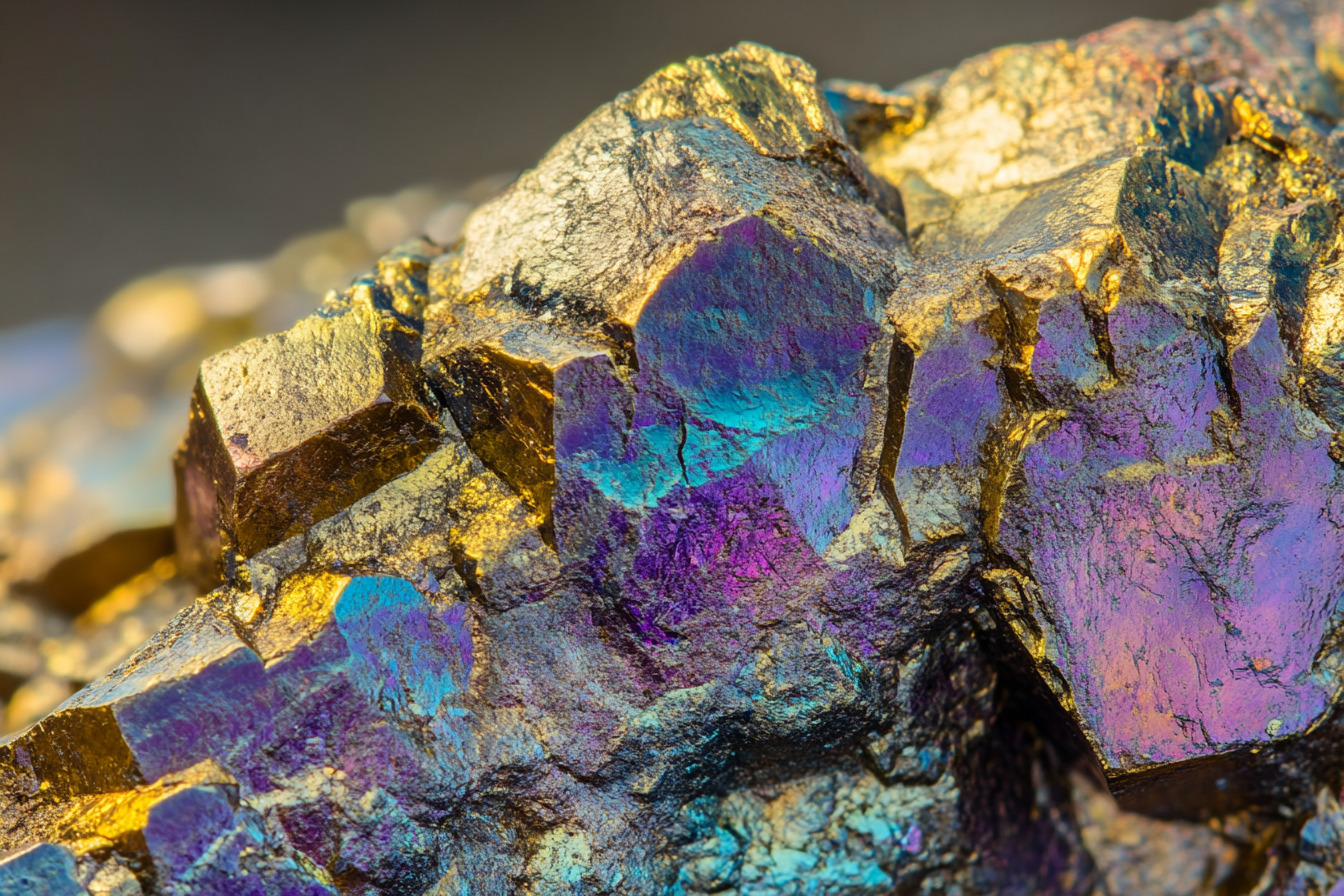
Copper is a versatile and valuable commodity, known for its excellent electrical and thermal conductivity. It has a rich history of discovery and use, with evidence of copper smelt...
Copper is a versatile and valuable commodity, known for its excellent electrical and thermal conductivity. It has a rich history of discovery and use, with evidence of copper smelting dating back to around 5000 BCE. Civilizations such as the Andean people, Egyptians, Greeks, and Romans have utilized copper for various purposes, including tools, weapons, artifacts, and architectural elements.
The production of copper involves mining, crushing, grinding, and chemically treating ore to create a copper concentrate. This concentrate is then heated in a furnace to produce copper sheets or rods. Copper is primarily used in electrical wiring, plumbing, and industrial machinery, as well as in the production of alloys like brass and bronze.
Throughout history, copper has played an essential role in human civilization's advancements. The metal contributed to developments in agriculture, technology, and trade during the Chalcolithic period. With the advent of the Bronze Age around 3000 BCE, copper became even more valuable when alloyed with tin to create bronze.
Copper production methods have evolved over time, with advancements in mining techniques and technologies. During the Middle Ages, waterpower was used to drive large wheels and crushers, while the Industrial Revolution introduced steam-powered machines and smelting processes for mass production. In modern times, copper production continues to adapt to new technologies and market demands, with open-pit and underground mining being the most common methods for extracting copper ore.
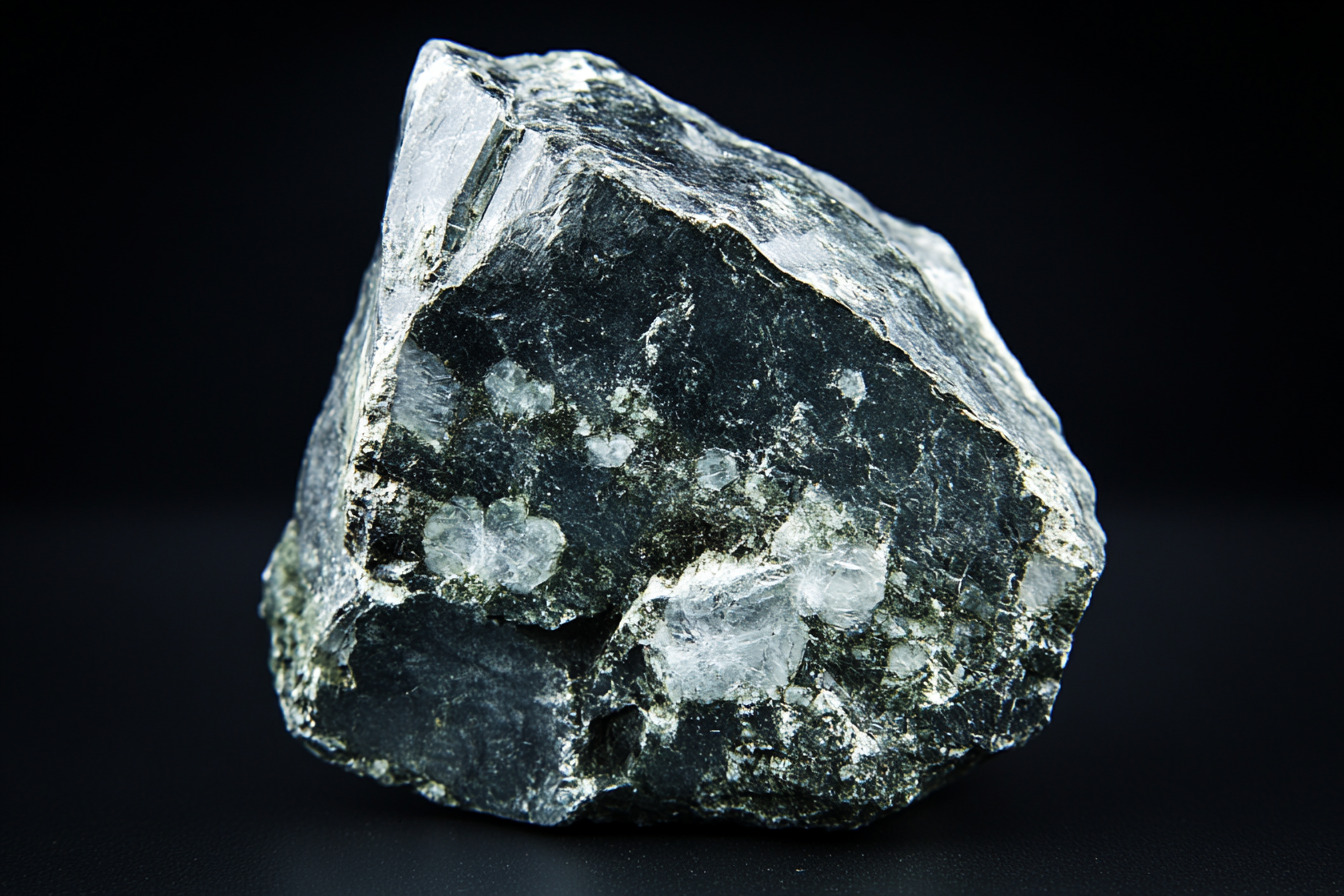 Diamond
Diamonds are rare, precious commodities formed naturally under extreme heat and pressure deep within the Earth's mantle. Millions of years are required for crystallized carbon stru...
Diamonds are rare, precious commodities formed naturally under extreme heat and pressure deep within the Earth's mantle. Millions of years are required for crystallized carbon structures to become diamonds, primarily found in kimberlite pipes, volcanic rock formations that bring diamonds to the surface. Their unique beauty is enhanced through cutting and polishing, used primarily for jewelry but also have industrial applications due to their exceptional hardness.
The first recorded diamond finds date back to ancient India, where they were believed to possess mystical and healing properties. European awareness of diamonds emerged in the 11th century, and by the late 13th century, they were popular gemstones among the elite. The modern diamond industry began in the late 19th century with large diamond reserve discoveries in South Africa, led by the De Beers Mining Company's monopoly over diamond production and distribution.
De Beers' production strategy has evolved from artificial scarcity to a more diversified supply approach. They now invest in exploration, open new mines, and secure additional diamond sources. New diamond deposits in Canada, Russia, and Australia have challenged De Beers' control, creating a competitive market. Diamond production includes large-scale industrial mining and small-scale artisanal mining, extracting diamonds from kimberlite rock through pipe, open-pit, or underground mining methods.
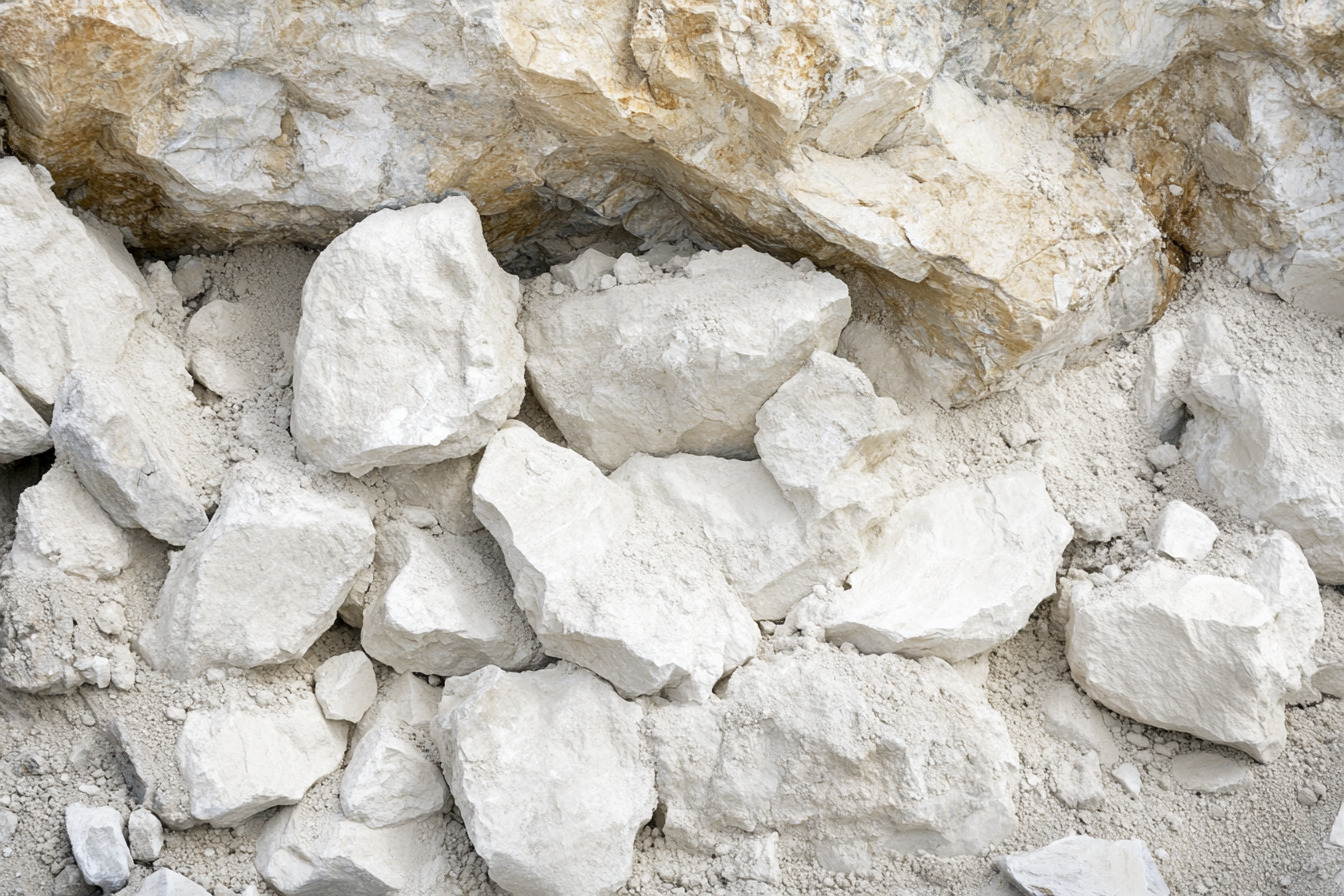 Diatomite
Diatomite, also known as diatomaceous earth, is a soft, porous sedimentary rock made up of the fossilized remains of diatoms, a type of hard-shelled algae. It is lightweight and ha...
Diatomite, also known as diatomaceous earth, is a soft, porous sedimentary rock made up of the fossilized remains of diatoms, a type of hard-shelled algae. It is lightweight and has great filtering and absorptive properties due to its high porosity. Diatomite has a wide range of uses, including filtration in swimming pools, wine, beer and sugar production, chemical and pharmaceutical processing, agriculture as an insecticide and soil amendment, cat litter, paints, and dynamite. The mining of diatomite deposits, found as loose sediment or solid rock, involves crushing, drying, and milling into a fine powder. Diatomite was first discovered in the 19th century and has since been used in various applications, from filtration and insulation to industrial and consumer products. Production methods have evolved over time, now focusing on sustainable and environmentally friendly techniques.
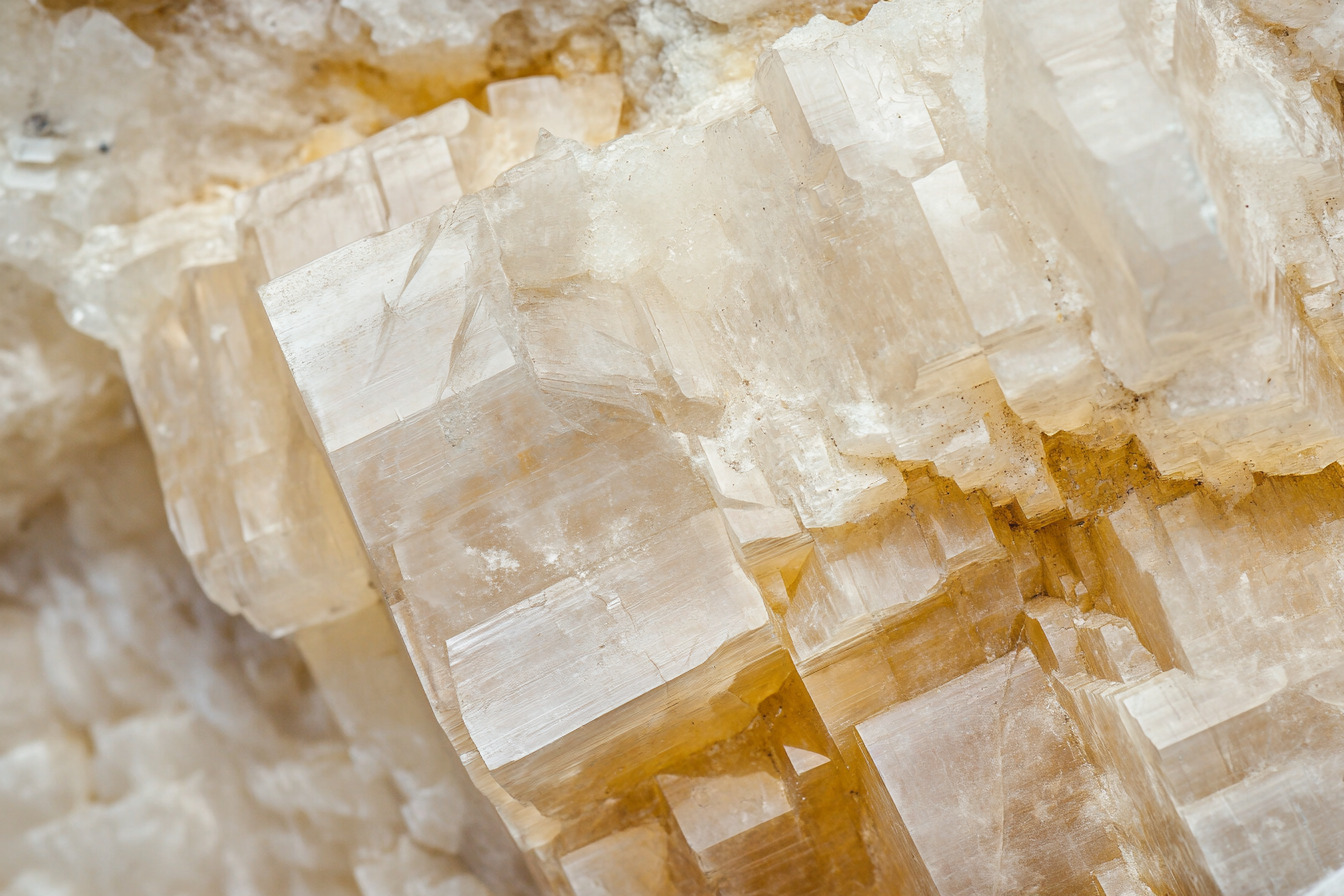 Feldspar
Feldspar is a group of minerals containing aluminum silicates, making up approximately 60% of the Earth's crust and being the most abundant mineral group. The two primary types of...
Feldspar is a group of minerals containing aluminum silicates, making up approximately 60% of the Earth's crust and being the most abundant mineral group. The two primary types of feldspar are plagioclase feldspar and alkali feldspar. It is produced through mining, primarily from granites and granitic pegmatites, and undergoes processes to increase its purity.
Feldspar has a wide range of uses in various industries. In the ceramics industry, it is used as a flux to lower the melting point of silica and reduce the temperature at which glass can be formed. It is also used as a filler in paints, plastics, and rubber to improve their durability, resistance to heat, and workability. Additionally, feldspar is used in the production of dinnerware, bathroom and building tiles, and electrical insulators.
The use of feldspar dates back to ancient Egypt and China, where it was used in the production of glass and artistic porcelain. In the 18th century, the mineral's chemical composition was identified, and in the 19th century, it became a vital component in the production of industrial products. Today, feldspar is used in a wide variety of industries, including construction, automotive, and aerospace.
Feldspar is typically extracted using open-pit mining techniques and processed through a series of crushing and grinding operations. In recent years, there has been a growing emphasis on sustainable and responsible mining practices, with many feldspar producers now focusing on developing more environmentally-friendly methods of extraction and processing.
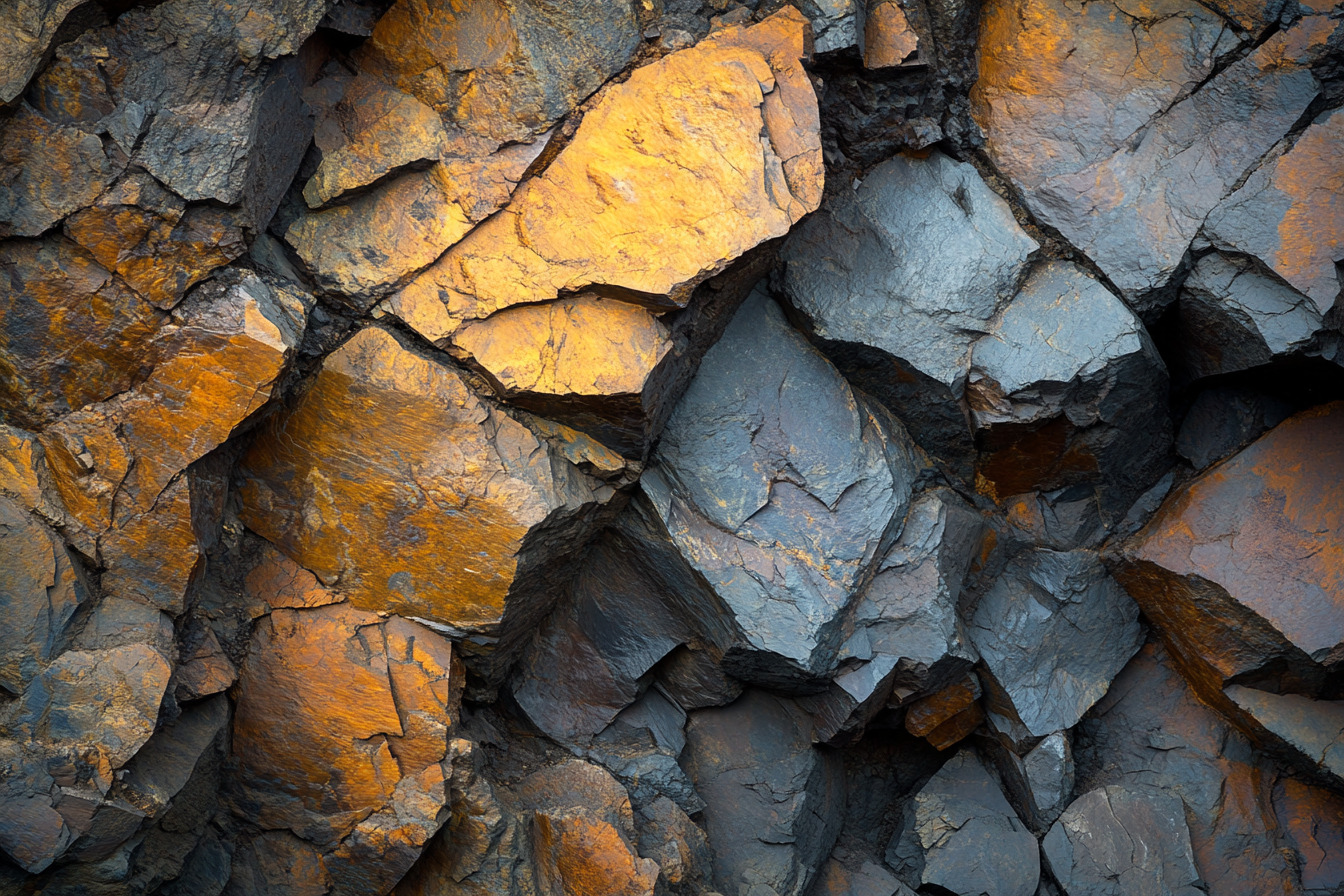 Ferroalloys
Ferroalloys are a group of composites primarily consisting of iron and one or more other metals, such as manganese, chrome, and silicon. They have been used since ancient times and...
Ferroalloys are a group of composites primarily consisting of iron and one or more other metals, such as manganese, chrome, and silicon. They have been used since ancient times and saw large-scale industrial production in the late 19th and early 20th centuries. The primary use of ferroalloys is to introduce and maintain specific chemical elements during the production of various types of steel and cast iron, tailoring the final product's properties for specific applications, such as increased strength, corrosion resistance, or temperature resistance.
Ferroalloys are produced in electric arc furnaces or blast furnaces, with the electric arc furnace process becoming dominant in the mid-20th century due to its higher yield, lower energy consumption, and reduced waste production. The history of ferroalloys can be traced back to the late 18th century, with the discovery of ferromanganese production by British ironmaster William Champion.
Ferroalloys continue to play a crucial role in the production of steel and other metals, as well as in the aerospace, automotive, and construction industries. Production has become more diversified, with countries like China, South Africa, and Ukraine emerging as major producers alongside traditional producers such as the United States and Europe. Despite changes in production methods and applications, the fundamental properties and uses of ferroalloys remain unchanged since their discovery.
 Fluorspar
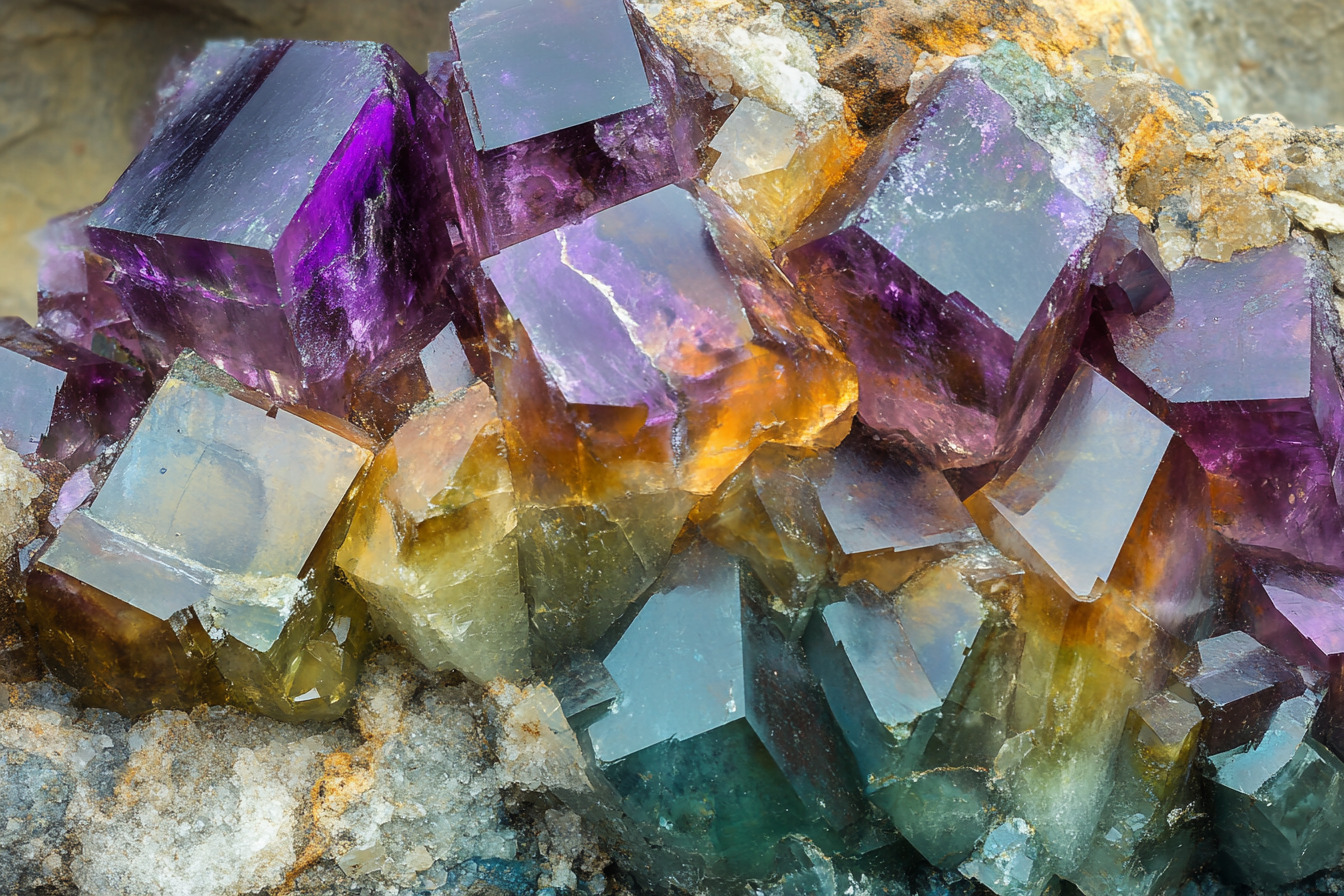
Fluorspar, also known as fluorite, is a mineral composed of calcium fluoride (CaF2) with the primary producers being China, Mexico, and Mongolia. Its unique properties make it valu...
Fluorspar, also known as fluorite, is a mineral composed of calcium fluoride (CaF2) with the primary producers being China, Mexico, and Mongolia. Its unique properties make it valuable in a variety of industries. The chemical industry converts fluorspar into hydrofluoric acid, which is then used to manufacture products such as refrigerants, aluminum, uranium fuel, and high-octane gasoline. It's also used in the production of optical quality glass, enamels, and ceramics.
Fluorspar's history dates back thousands of years, with early uses in decorative purposes and carving intricate items. Its industrial use began in the 18th century when it was discovered to produce hydrofluoric acid, leading to its use in various industries including aluminum, uranium, and steel production. The phosphate fertilizer industry also boosted the demand for fluorspar.
During the 20th century, fluorspar's uses expanded significantly with the development of fluorocarbons, used in refrigerants, aerosols, and foam insulation. Today, China is the world's largest producer, accounting for 60% of global production. Fluorspar is still widely used in chemical manufacturing, steel production, and in the production of aluminum and uranium. New applications, such as fuel production, are being explored.
 Gallium
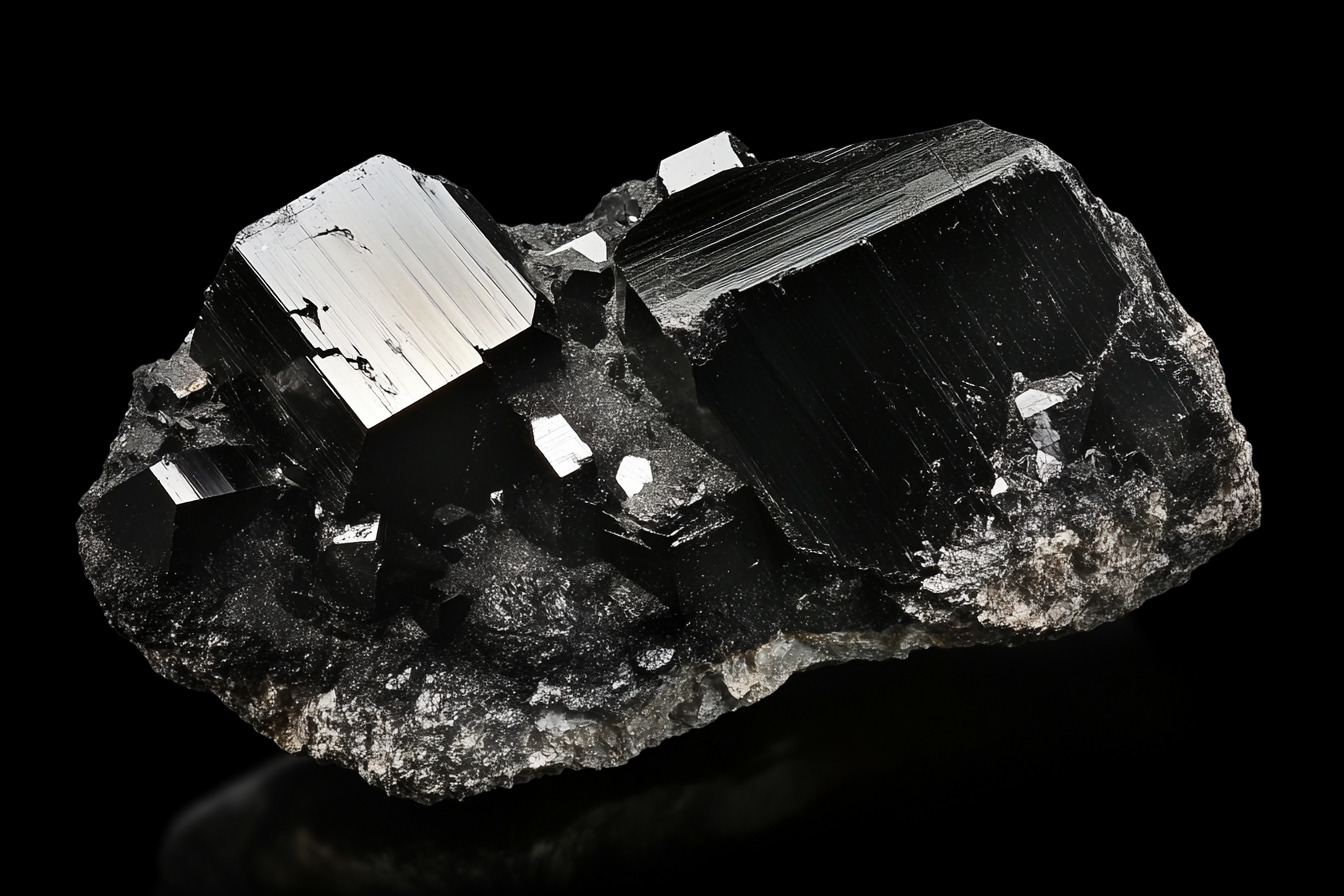
Gallium is a soft, silvery-blue metallic element with the symbol Ga and atomic number 31. It belongs to the boron group and is primarily found in trace amounts in zinc ores and bau...
Gallium is a soft, silvery-blue metallic element with the symbol Ga and atomic number 31. It belongs to the boron group and is primarily found in trace amounts in zinc ores and bauxite, an aluminum ore. Gallium does not exist freely in nature.
The semiconductor industry is the primary consumer of gallium, using it to produce high-speed integrated circuits, semiconductor devices, optical instruments, LEDs, and laser diodes. Additionally, gallium is utilized in medical imaging and in the fabrication of high-temperature thermometers and vacuum gauges.
First predicted by Russian chemist Dmitri Mendeleev as "eka-aluminium" in 1871, gallium was discovered in 1875 by French chemist Paul Émile Lecoq de Boisbaudran. Named after "Gallia," the Latin word for France, gallium had no significant commercial uses initially due to its rarity and high production cost.
Gallium's significant applications began with the emergence of semiconductor technology in the mid-20th century. Gallium arsenide (GaAs) became essential for high-frequency transistors, integrated circuits, and optoelectronic devices like LEDs and laser diodes. Later, gallium nitride (GaN) emerged as another key semiconductor material for high-power and high-temperature electronic applications.
Originally produced as a byproduct of zinc smelting, gallium production has evolved. Today, it is mainly extracted from bauxite during alumina production. The bauxite is digested with a hot caustic solution, and subsequent purification stages, including gallium hydroxide seed crystal addition, yield a gallium-rich precipitate. This precipitate is then heated and electrolyzed to obtain high-purity gallium.
As semiconductor technology continues to play a crucial role in various industries, the demand for gallium is expected to grow substantially in the future, driven by advancements in electronic devices, telecommunications, and renewable energy sectors.
 Garnet
Garnet is a mineral that can be found in various types of rocks, including metamorphic, igneous, and sedimentary. Its name is derived from the Latin word "granatum," which means po...
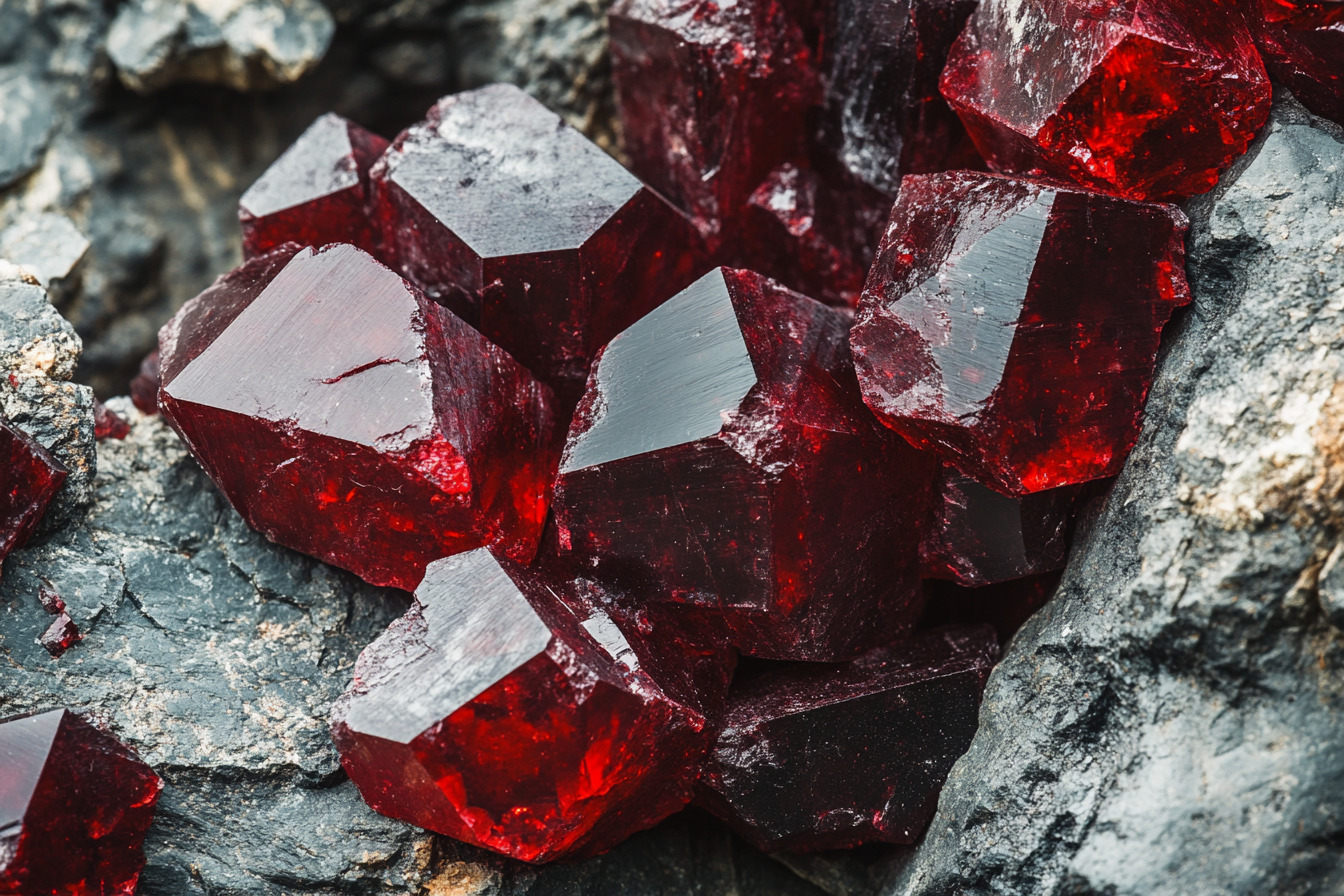
Garnet is a mineral that can be found in various types of rocks, including metamorphic, igneous, and sedimentary. Its name is derived from the Latin word "granatum," which means pomegranate, as its red color resembles the fruit's seeds. While red is the most common color, garnets can also be found in green, yellow, orange, brown, and black.
The primary use of garnet is in the gemstone industry, where it is highly valued for its beauty and durability. Red garnets, such as almandine and pyrope, are the most commonly used gems, while green garnets, such as tsavorite and demantoid, are also highly sought after. In addition to its use in jewelry, garnet is also used in the abrasive industry, where it is crushed and graded for use in sandpaper, waterjet cutting, and other applications.
Garnet is produced through the crystallization of minerals under high pressure and temperature conditions, often in the Earth's mantle. It can also form during the metamorphism of rocks when existing minerals are transformed into new ones under intense heat and pressure. Garnet can also be found in alluvial deposits, where they have been eroded from their original rock source and transported by rivers and streams.
The use and discovery of garnet date back thousands of years, with archaeological evidence suggesting its use in tools and decorative items as early as the Bronze Age. Its hardness, luster, and range of colors have made it a valuable resource throughout history. Garnet has been used in jewelry and decorative items in ancient Egypt, Greece, and Rome, and as a protective stone in the Middle Ages. In the 18th and 19th centuries, mineralogists began to classify and study garnet more systematically, leading to the discovery of new garnet varieties and expanding its range of applications.
Industrial production of garnet began in the late 19th century, and today, it is used in a wide range of applications, from jewelry and decorative items to industrial abrasives and filtration media. Its hardness, durability, and heat resistance make it ideal for use in cutting, grinding, and polishing operations in various industries. Meanwhile
 Gold
Gold
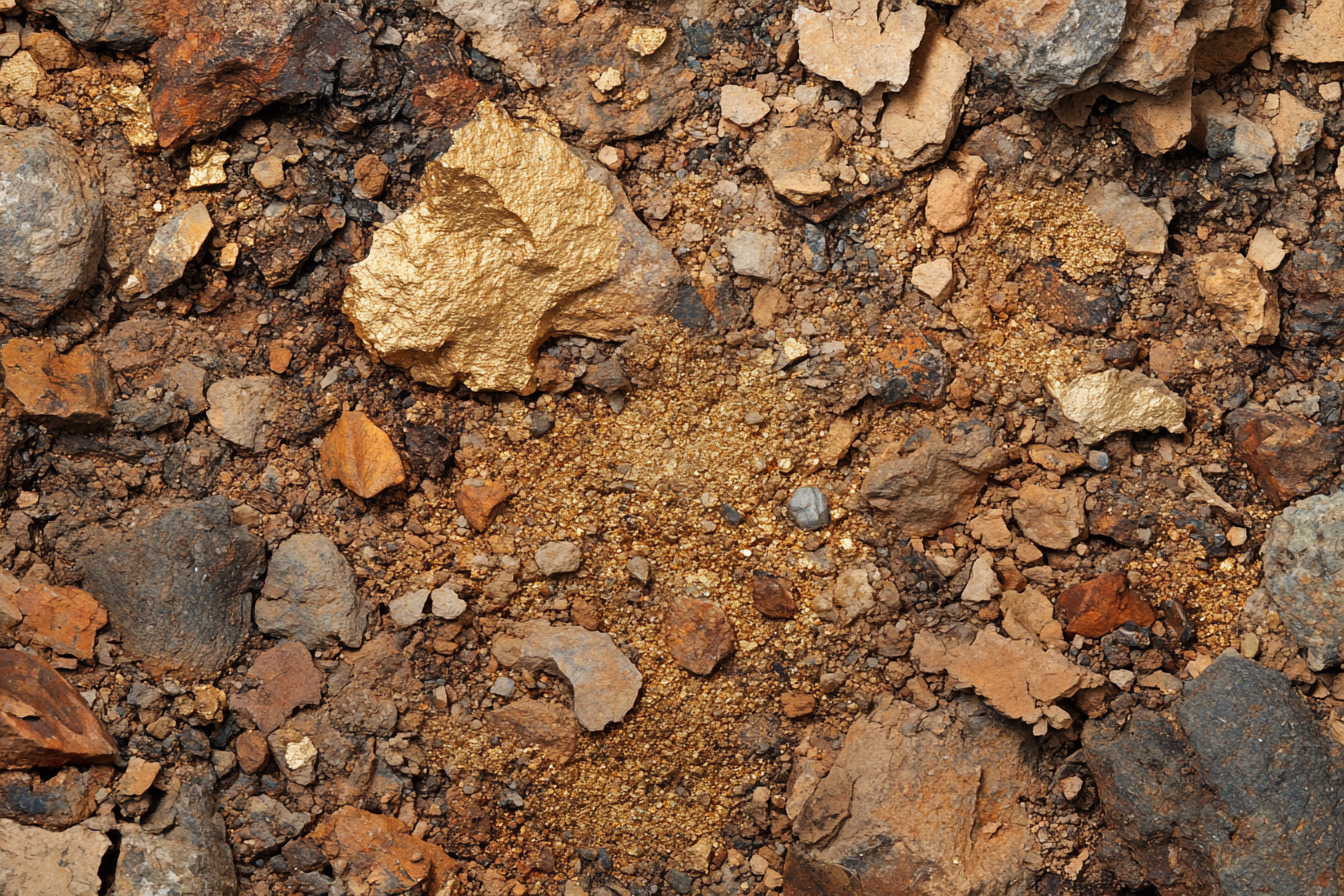
Gold is a valuable and historically significant commodity that has been used by humans for thousands of years. It is a dense, soft, and shiny yellow metal that occurs naturally in...
Gold is a valuable and historically significant commodity that has been used by humans for thousands of years. It is a dense, soft, and shiny yellow metal that occurs naturally in the earth's crust and is often found in mineral deposits. Gold has been used for jewelry, coins, and bars, and its excellent conductive properties make it useful in electronics and medical equipment.
The primary methods of extracting gold from the earth are placer mining and hard rock mining. Once extracted, gold must be purified through smelting to remove impurities. Gold has been prized by humans for its beauty and rarity and has been used as a medium of exchange for centuries. The discovery of large gold deposits in the Americas in the 16th century and the California Gold Rush in the 19th century had significant impacts on global gold supplies and its value.
Today, gold production is a highly mechanized and technologically advanced industry, with most gold being extracted from large, open-pit mines using heavy machinery and cyanide leaching. While gold is no longer used as a primary medium of exchange, it remains a valuable and highly sought-after commodity for use in electronics, jewelry, and investments.
 Graphite
Graphite is a naturally occurring form of carbon, mined in various countries as a mineral commodity. China is the largest producer, followed by India, Brazil, and Mexico. With a cr...
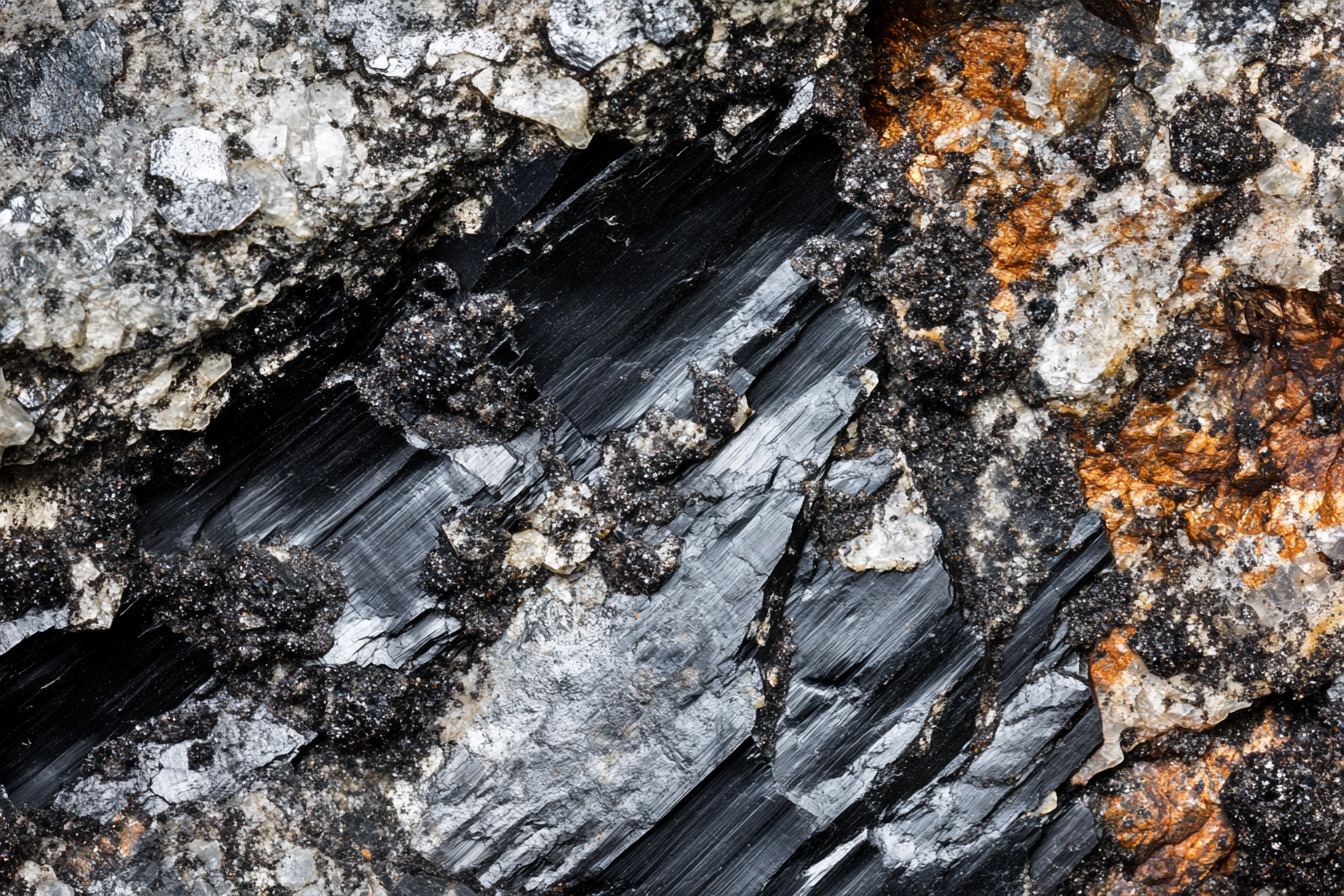
Graphite is a naturally occurring form of carbon, mined in various countries as a mineral commodity. China is the largest producer, followed by India, Brazil, and Mexico. With a crystalline structure, it has unique properties such as resistance to heat and electricity, making it valuable in numerous industrial applications.
Graphite has primary uses in high-temperature industrial applications, including heat shields for spacecraft, and as a component in batteries, particularly lithium-ion batteries. It also serves as a lubricant and a refractory material.
Produced through open-pit and underground mining, graphite is extracted and processed to remove impurities. The mining process involves crushing, grinding, chemical, and thermal treatments, resulting in various forms such as powder, flakes, or spherical graphite.
Graphite has a long history dating back to ancient Greece and Rome, with significant discoveries and usage during the Industrial Revolution and the 20th century. New forms of carbon, such as synthetic graphite and carbon fiber, have expanded graphite's applications.
Graphite is used in various modern applications, including batteries, fuel cells, aerospace, and automotive parts. Production methods have advanced with techniques such as hydrometallurgical and chemical processing for high-purity graphite extraction. Demand for graphite continues to grow due to its diverse uses.
 Gypsum
Gypsum is a common mineral found in sedimentary rocks, produced through the evaporation of seawater or lagoons. It is composed of calcium sulfate dihydrate (CaSO4•2H2O) and can f...
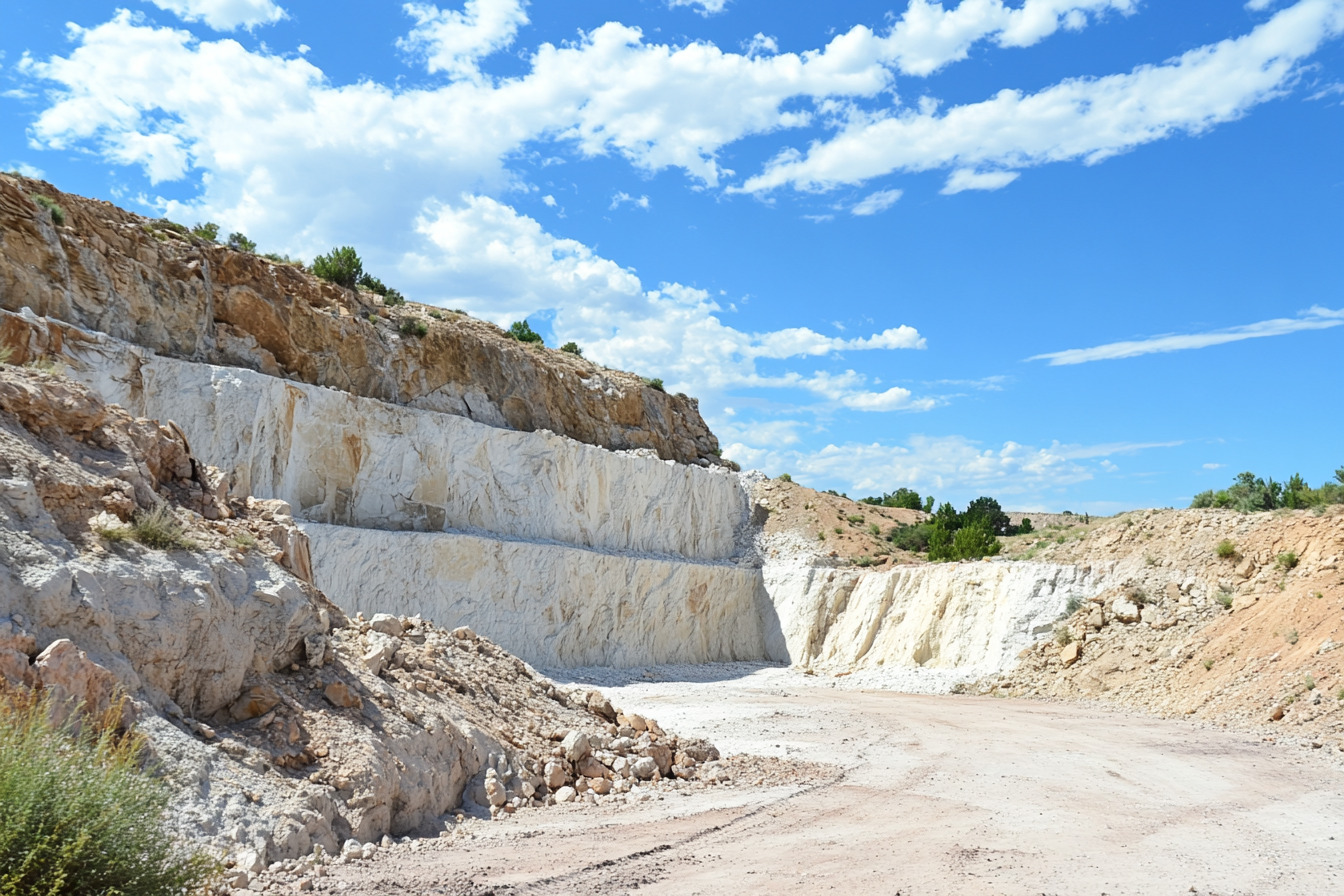
Gypsum is a common mineral found in sedimentary rocks, produced through the evaporation of seawater or lagoons. It is composed of calcium sulfate dihydrate (CaSO4•2H2O) and can form impressive landscapes like White Sands National Park in New Mexico.
With a wide range of uses, gypsum is primarily utilized in the construction industry as a key ingredient in drywall, plaster, and cement. In agriculture, it serves as a soil amendment to enhance structure and fertility. Gypsum is produced both naturally and synthetically. Natural gypsum is mined and processed, while synthetic gypsum is a byproduct of industrial processes, such as coal-fired power plants' desulfurization.
Gypsum has a rich history dating back to ancient Egypt and Rome, where it was used in monumental structures, construction, and art. Its use evolved over time, expanding to agricultural, industrial, and commercial applications. Modern production involves mining and manufactured gypsum, both undergoing crushing, screening, and milling processes.
From ancient civilizations to modern agriculture, industry, and construction, gypsum's versatility and value remain significant.
 Helium
Helium is a colorless, odorless, non-toxic, and chemically inert gas, and the second lightest and second most abundant element in the universe. It is widely known for its use in ba...
Helium is a colorless, odorless, non-toxic, and chemically inert gas, and the second lightest and second most abundant element in the universe. It is widely known for its use in balloons and blimps but has various other applications including cryogenics (where it is used to cool magnets in MRI scanners and superconducting equipment), shielding in welding and industrial processes, leverage detection in various industries, and in scientific research due to its unique property of remaining liquid even at extremely low temperatures.
The existence of helium was first predicted in 1868 by French physicist Pierre Janssen, who detected a new yellow line in the solar spectrum during a total eclipse. It was later named 'helium' after the Greek word 'helios', meaning sun. Scottish chemist Sir William Ramsay isolated helium on Earth in 1895.
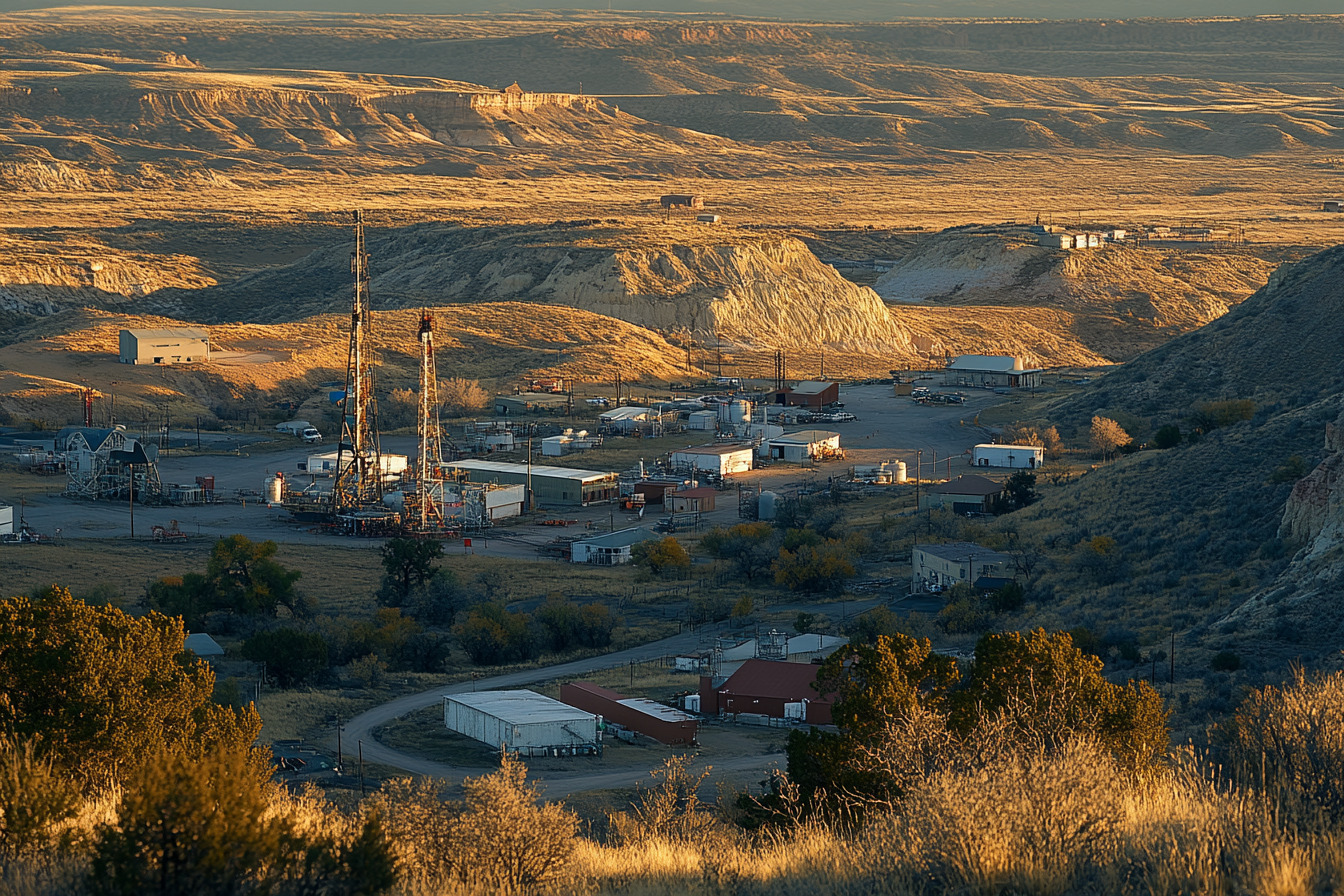
Helium is predominantly obtained as a byproduct of natural gas extraction, with major producers including the U.S., Russia, Qatar, and Algeria. It is produced through the fractional distillation of natural gas, where it is separated from other components such as methane, nitrogen, and hydrocarbons. After purification, helium is compressed and liquefied for transportation, storage, and distribution.
Historically, helium's use expanded significantly during World War II as it became vital to military applications, particularly as a lifting gas for military balloons and airships. Today, despite advancements in production techniques, helium's lightweight nature and limited global reserves continue to pose challenges in maintaining a stable supply amid fluctuating demand.
 Indium
Indium is a rare, soft, silvery-white metal that is primarily produced as a byproduct of zinc mining. It is named after the indigo line present in its spectral emission. Indium has...
Indium is a rare, soft, silvery-white metal that is primarily produced as a byproduct of zinc mining. It is named after the indigo line present in its spectral emission. Indium has a low melting point and is an excellent conductor of heat and electricity, making it highly sought after for various applications.
The primary use of indium is in the production of indium tin oxide (ITO), a substance used in the manufacture of flat-panel displays, touchscreen panels, and solar panels. ITO is a transparent conductor, allowing it to be used in these applications to create a transparent electrode. Indium is also used in the production of low-melting alloys, such as indalloy, used in fire sprinkler systems.
Indium is produced mainly as a byproduct of zinc refining, lead, copper, and iron ores. After the extraction of zinc from its ore, indium is separated from the zinc through a series of chemical processes, including dissolution, precipitation, and electrolysis. Once the indium has been extracted and purified, it is ready to be formed into ingots or cast into various shapes for use in a variety of applications.
Indium has been in use for over a century, although its history of discovery and production is much older. The element was first identified in 1863 by German chemist Ferdinand Reich and his assistant Hieronymus Richter during a spectroscopic analysis of zinc blende. Reich and Richter noticed a bright indigo line in the mineral's spectrum, which led them to the discovery of indium. In its early years, indium had limited applications and was primarily used as a coloring agent in glass and ceramics. However, its unique properties soon drew the attention of researchers and industrialists, and its use in high-quality electrical contacts, semiconductors, and other electronics began to take off.
Today, indium is an essential component in a wide range of high-tech applications, including flat-panel displays, solar cells, and touchscreen technologies. Indium tin oxide (ITO) is a transparent conductive film widely used in the production of LCDs, plasma screens, and other flat-panel displays. Indium's low toxicity, high electrical conductivity, and resistance to heat make it an ideal material for these applications
 Iodine
Iodine is a crucial chemical element with the symbol "I" and atomic number 53 on the periodic table. It is a lustrous, purple-black nonmetallic solid that evaporates easily into a...
Iodine is a crucial chemical element with the symbol "I" and atomic number 53 on the periodic table. It is a lustrous, purple-black nonmetallic solid that evaporates easily into a violet gas. Iodine is found naturally in the form of iodide salts in seaweed and brine pools. The primary use of iodine is in the medical field as a disinfectant and antiseptic. It is also used in the pharmaceutical industry for the production of various medications and supplements, X-ray contrast media, and as a catalyst in several industrial processes.
Iodine is essential for life and is found in various biological systems, including the human body, where it is a crucial component of thyroid hormones that regulate metabolism, growth, and development. Iodine was first discovered in 1811 by French chemist Bernard Courtois and has since undergone significant changes in its discovery, use, and production methods. Today, iodine is primarily produced through the extraction of iodine from brine, seawater, or underground deposits.
The "Island Process" is used to extract iodine from natural brine deposits and seaweed, where chlorine gas reacts with iodide ions in the brine to form elemental iodine, followed by purification through distillation to produce the final product. In the mid-20th century, the use of iodine in industrial applications expanded, and new production methods were developed to meet the increasing demand. Iodine is now widely used in various industries, including medicine, pharmaceuticals, and electronics, making it a vital and widely used commodity.
 Iron
Iron
Iron: A Comprehensive Historical Overview and Modern Significance Iron is a valuable and widely used commodity, with a rich history dating back to the early beginnings of human civ...
Iron: A Comprehensive Historical Overview and Modern Significance
Iron is a valuable and widely used commodity, with a rich history dating back to the early beginnings of human civilization. Its utility, abundance, and recyclability have made it an essential component in various industries, including construction, infrastructure, manufacturing, and engineering. The primary uses of iron include steel production, which is used to create a wide range of products such as vehicles, appliances, and construction materials.
The origins of iron can be traced back approximately 3000-4000 years ago to regions like Anatolia, Egypt, and Mesopotamia, where it was initially used for decorative purposes. The true potential of iron remained untapped until the Iron Age (1200-500 BC) due to limited technology for processing and extracting it from its ores. The major breakthrough came with the development of new smelting techniques, specifically the bloomery process, which allowed ironworkers to create a spongy mass of iron called a bloom. Through repeated hammering and reheating, this mass was transformed into wrought iron, which was stronger and more durable than bronze.
The widespread availability and affordability of iron led to its adoption in various applications, including tools, weapons, and agricultural equipment. This transformation significantly impacted human societies and warfare. In the 15th and 16th centuries, iron production underwent further advancements with the implementation of water power to operate bellows and the introduction of the puddling process, which eliminated impurities within the furnace.
The Bessemer process, invented in 1856 by Henry Bessemer, revolutionized iron production by blowing air through molten pig iron, significantly reducing the time and cost associated with traditional methods. Modern iron production primarily relies on the Blast Furnace method, which involves heating iron ore, coke, and limestone in a large, oxygen-rich furnace. The resulting molten iron is then converted into steel through additional refining processes. This highly automated and efficient system allows for the mass production of iron and steel, catering to the diverse needs of modern industries.
 Kyanite
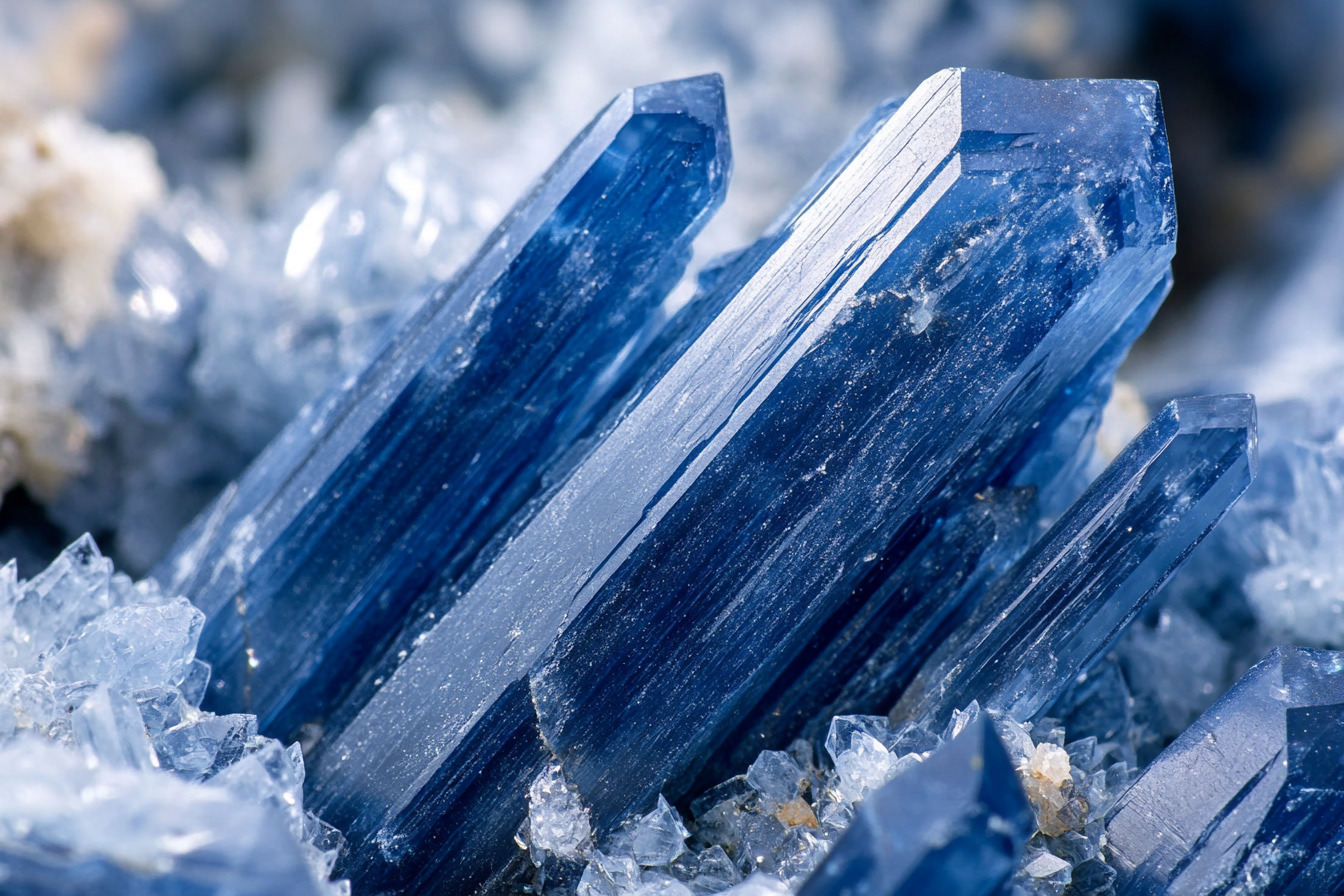
Kyanite is a silicate mineral that originates from metamorphic rocks, particularly those exposed to high pressure and temperature. Its emergence can be traced back to the alteratio...
Kyanite is a silicate mineral that originates from metamorphic rocks, particularly those exposed to high pressure and temperature. Its emergence can be traced back to the alteration of aluminous minerals in rocks during metamorphism. Initially discovered in 1789 by Abraham Gottlob Werner, kyanite was named after its typical blue color, which comes from the Greek word "kyanos."
Although kyanite was once considered a gemstone, its weak toughness and cleavage led to a decline in its use for jewelry. Nowadays, it is primarily utilized for industrial applications, particularly as a refractory material and as a source of aluminum oxide (alumina).
Refractory materials are heat-resistant substances used in high-temperature industrial processes, such as steel, glass, and ceramic production. Kyanite's high melting point (1,750°C) and excellent thermal shock resistance make it ideal for manufacturing refractory bricks, mortars, and insulation materials. Additionally, kyanite serves as a valuable source of aluminum oxide (alumina), which is applied in various industries, including aluminum metal production, ceramics, abrasives, and high-temperature insulation materials.
Kyanite's production process starts with mining, followed by crushing and grinding into a fine powder. This powder then undergoes purification through methods like magnetic separation, flotation, or chemical treatments to eliminate impurities. Once purified, the kyanite powder is formed into various products depending on its intended use, including ceramic shapes, refractory bricks, or abrasive grains. Modern production approaches aim for efficiency and environmental sustainability, with kyanite being mined through open-pit or underground methods, depending on the deposit's properties. After extraction, the mineral goes through crushing, grinding, and beneficiation processes before being utilized in industrial applications.
 Lead
Lead
Lead is a dense, soft, and malleable metal with a history of use dating back thousands of years. Originally discovered and mined in regions like Anatolia (modern-day Turkey) and Gr...
Lead is a dense, soft, and malleable metal with a history of use dating back thousands of years. Originally discovered and mined in regions like Anatolia (modern-day Turkey) and Greece, lead has been utilized for various purposes due to its unique properties. Its primary uses include manufacturing batteries, construction and building materials, and protective shielding against radiation.
Throughout history, lead production and utilization have evolved through different eras:
- Ancient world: Lead was used in early civilizations for pottery, ornaments, jewelry, utensils, medicinal purposes, and water distribution systems.
- Middle Ages and the Renaissance: Lead production increased with the rise of mining activities, leading to expanded uses in shot, fishing weights, pewter items, pigments, and early printing press typeset.
- Industrial Revolution: Lead became crucial in manufacturing paint, cable sheathing, roofing materials, plumbing, ammunition, and batteries, but concerns arose over environmental and health hazards from mining and processing.
Modern times focus on environmental responsibility, worker safety, and developing lead-free alternatives. Measures to reduce lead exposure, such as phasing out leaded gasoline, banning lead paint, and tightening emission standards, have contributed to a stable global lead production.
 Lithium
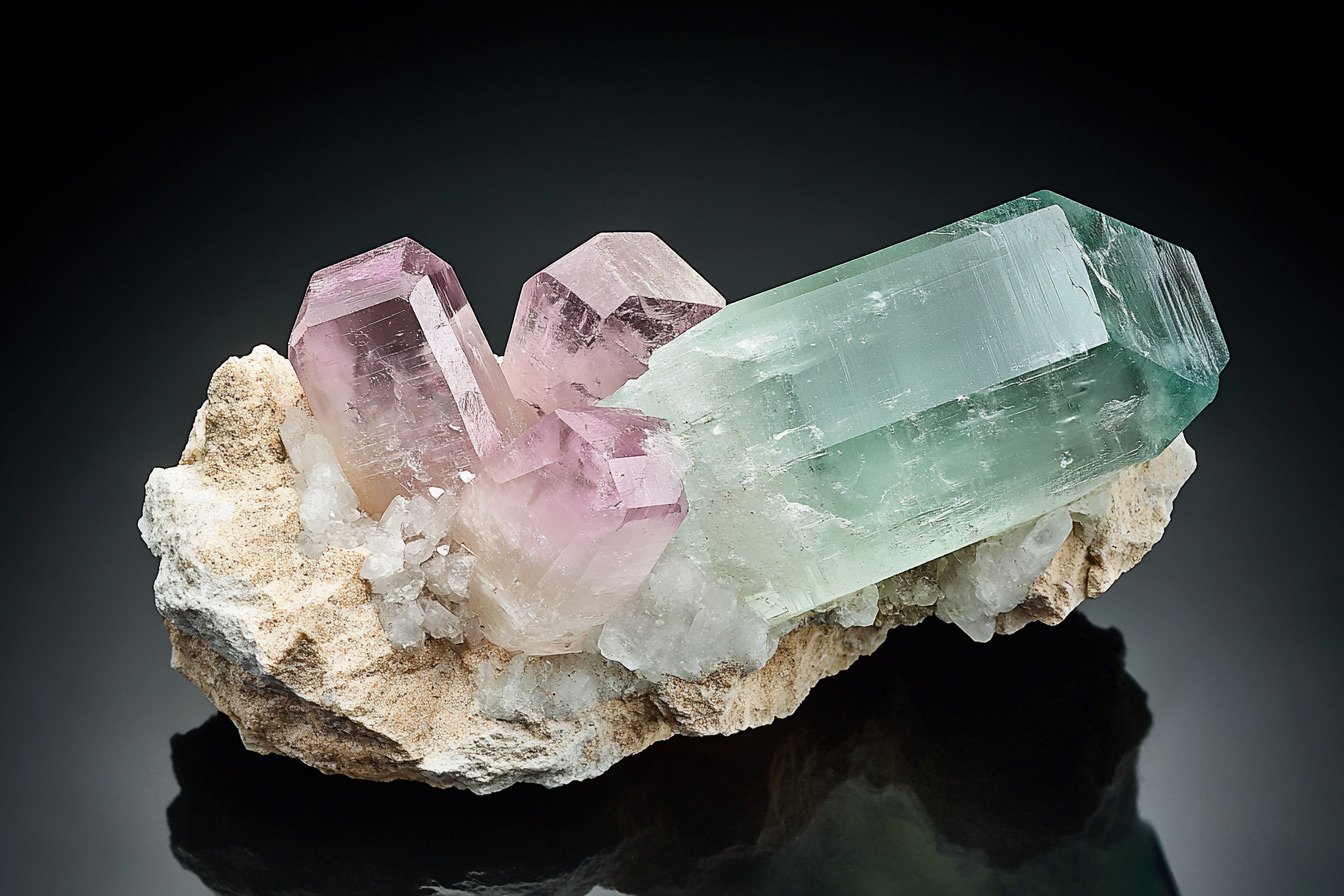
Lithium is a soft, silvery-white metallic element that occurs naturally in rock and mineral deposits worldwide. It's one of the lightest elements on the periodic table, with a low...
Lithium is a soft, silvery-white metallic element that occurs naturally in rock and mineral deposits worldwide. It's one of the lightest elements on the periodic table, with a low density and a melting point lower than any other solid element. Lithium's unique properties make it a crucial component in various industries, particularly in the production of high-performance batteries for electric vehicles, smartphones, laptops, and other portable electronics. The element is also used in the manufacture of ceramics, glass, and air treatment systems.
Lithium is not found in its pure form in nature due to its high reactivity. It is extracted from mineral sources like spodumene, lepidolite, petalite, and brine deposits. The most common method for producing lithium is through the extraction of lithium from brine sources, where lithium-rich brine is pumped from underground reservoirs and then evaporated in large, shallow ponds.
Lithium's uses have evolved since its discovery in 1817 by Swedish chemist Johan August Arfvedson. Initially, lithium was used for its chemical and physical properties in greases and lubricants and later during World War II in lightweight aluminum alloys for aircraft. The discovery of lithium's energy storage capabilities led to its widespread use in batteries, particularly in portable electronics, electric vehicles (EVs), and renewable energy storage systems, significantly driving up the demand for lithium.
The methods for extracting and producing lithium have also evolved. Initially, lithium was produced from petalite through an energy-intensive process. The "ore route" or "hard-rock" method, which involves extracting lithium from spodumene, became popular in the 1990s, being less energy-intensive. More recently, new production approaches utilizing salt brines from continental and geothermal sources have gained attention, offering lower environmental impact. Such methods are being adopted by companies like Lithium Americas Corp. in Nevada, United States.
 Magnesium
Magnesium is a silver-white, lightweight metal that is abundantly found in the Earth's crust, primarily originating from seawater and sedimentary rocks. It is produced through elec...
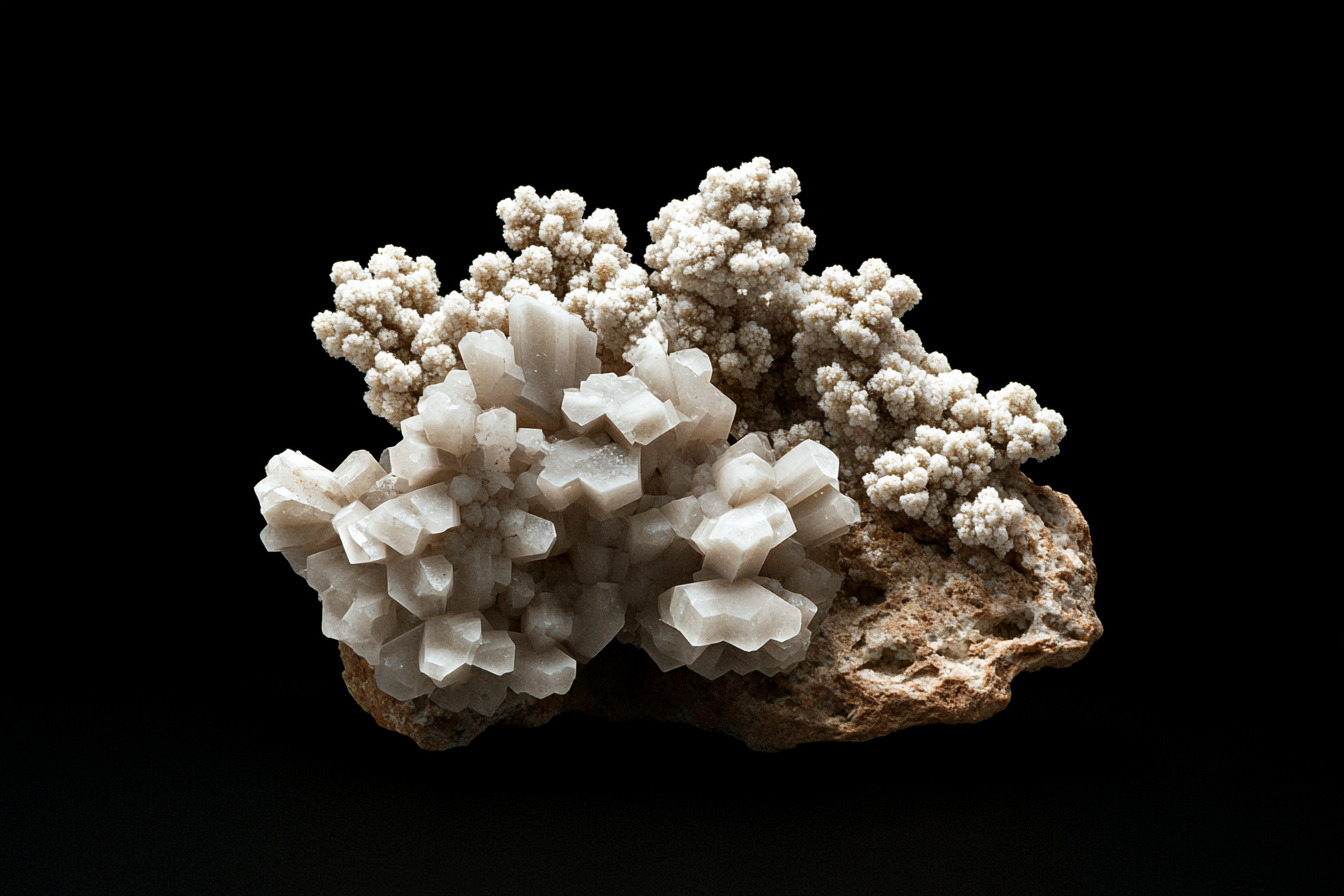
Magnesium is a silver-white, lightweight metal that is abundantly found in the Earth's crust, primarily originating from seawater and sedimentary rocks. It is produced through electrolysis of molten magnesium chloride and has numerous primary uses, such as enhancing strength and corrosion resistance in aluminum alloys, and in the manufacture of magnesium alloys for aerospace and automotive industries.
Magnesium also plays an essential role in human health as a dietary supplement, contributing to bone strength, nerve and muscle function, and energy production. With over 300 enzymatic reactions in the body, it can be found in various foods like nuts, legumes, and leafy green vegetables.
In recent years, magnesium has emerged as a vital component in batteries, particularly in electric vehicle (EV) batteries, due to its high energy density in magnesium-ion batteries. This has garnered interest from researchers and manufacturers alike, aiming to compete with or even exceed lithium-ion batteries.
Historically, magnesium was discovered by Sir Humphry Davy in 1808 and remained a scientific curiosity until its industrial-scale production began during World War I for lightweight and strong metals in airplane manufacturing. The Pidgeon process, developed in 1944, became the dominant method for magnesium production, which is still extensively used today, particularly in China, the world's largest magnesium producer.
Modern efforts focus on greener and more sustainable magnesium production methods, exploring alternative production routes using seawater and brines as raw materials, and expanding its use in various applications, including batteries, electronics, and biodegradable medical implants. Magnesium continues to be a vital commodity with a wide range of uses, from aerospace and automotive to consumer electronics and healthcare.
 Manganese
Manganese is a silvery-gray metal that is essential to iron and steel production, providing strength, resistance to corrosion, and the ability to maintain shape at extreme temperat...
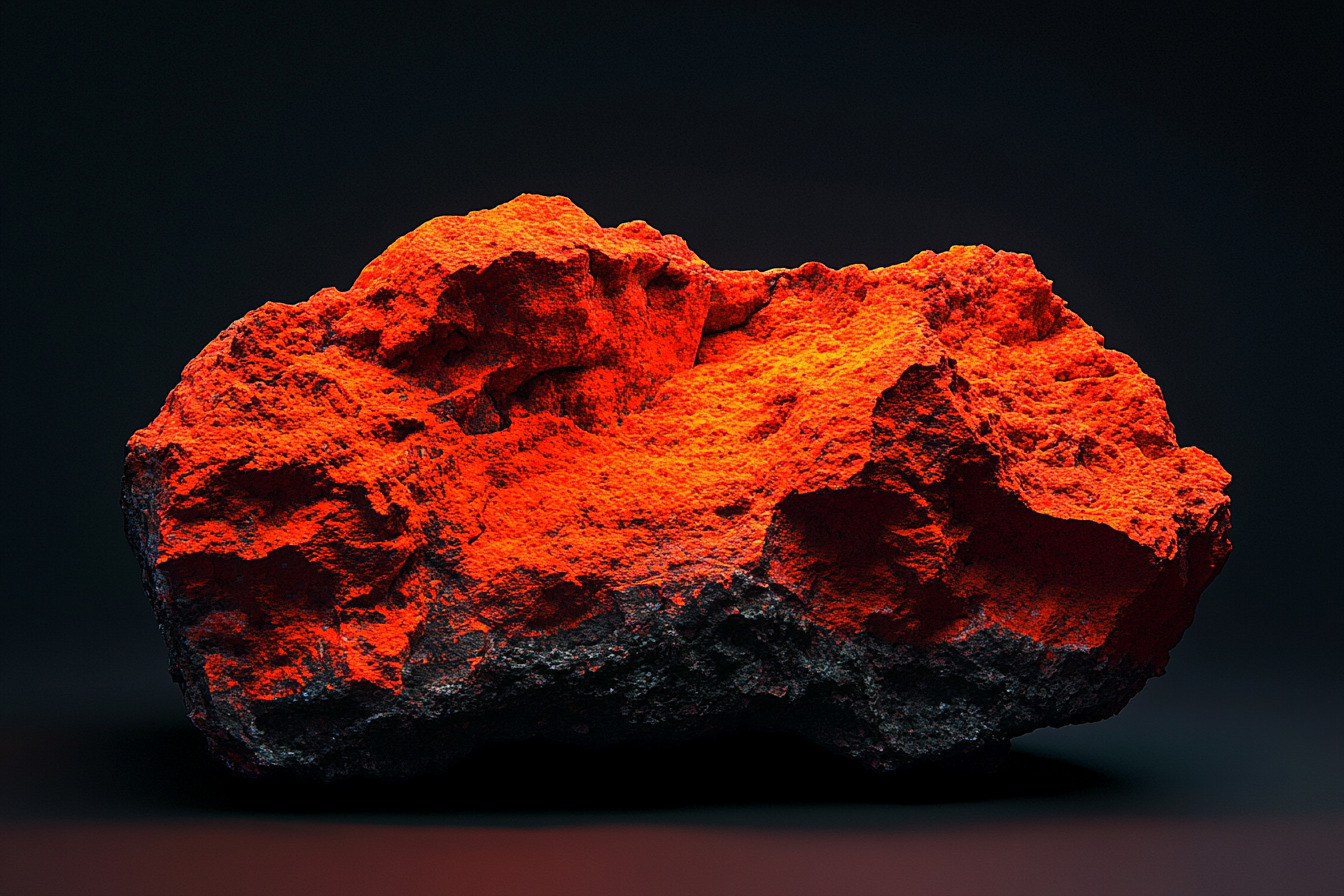
Manganese is a silvery-gray metal that is essential to iron and steel production, providing strength, resistance to corrosion, and the ability to maintain shape at extreme temperatures. It is not found in a free state in nature, but in minerals such as pyrolusite, rhodochrosite, and braunite. South Africa, China, and Australia are the largest producers.
Extracted through mining, crushing, and concentration, manganese is then smelted in furnaces and further processed into forms like manganese dioxide or sulfate for various applications, including batteries, aluminum alloys, and fertilizers.
The use of manganese can be traced back to ancient times, used primarily for ornamental purposes. Recognized as a distinct element in the 16th century, its essential role in steel production began in the 18th century, with production increasing rapidly in the 19th century due to new mining techniques and ore deposit discoveries.
Manganese's uses have expanded beyond steel, now found in batteries, colorants, and water treatment. Its importance in the clean energy sector has grown with its role in lithium-ion batteries for electric vehicles (EVs). Production methods have evolved from early roasting and smelting to hydrometallurgical processes, focusing on efficiency and sustainability.
 Mercury
Mercury is a chemical element with the symbol Hg and atomic number
Mercury is a chemical element with the symbol Hg and atomic number
 Mica
Mica
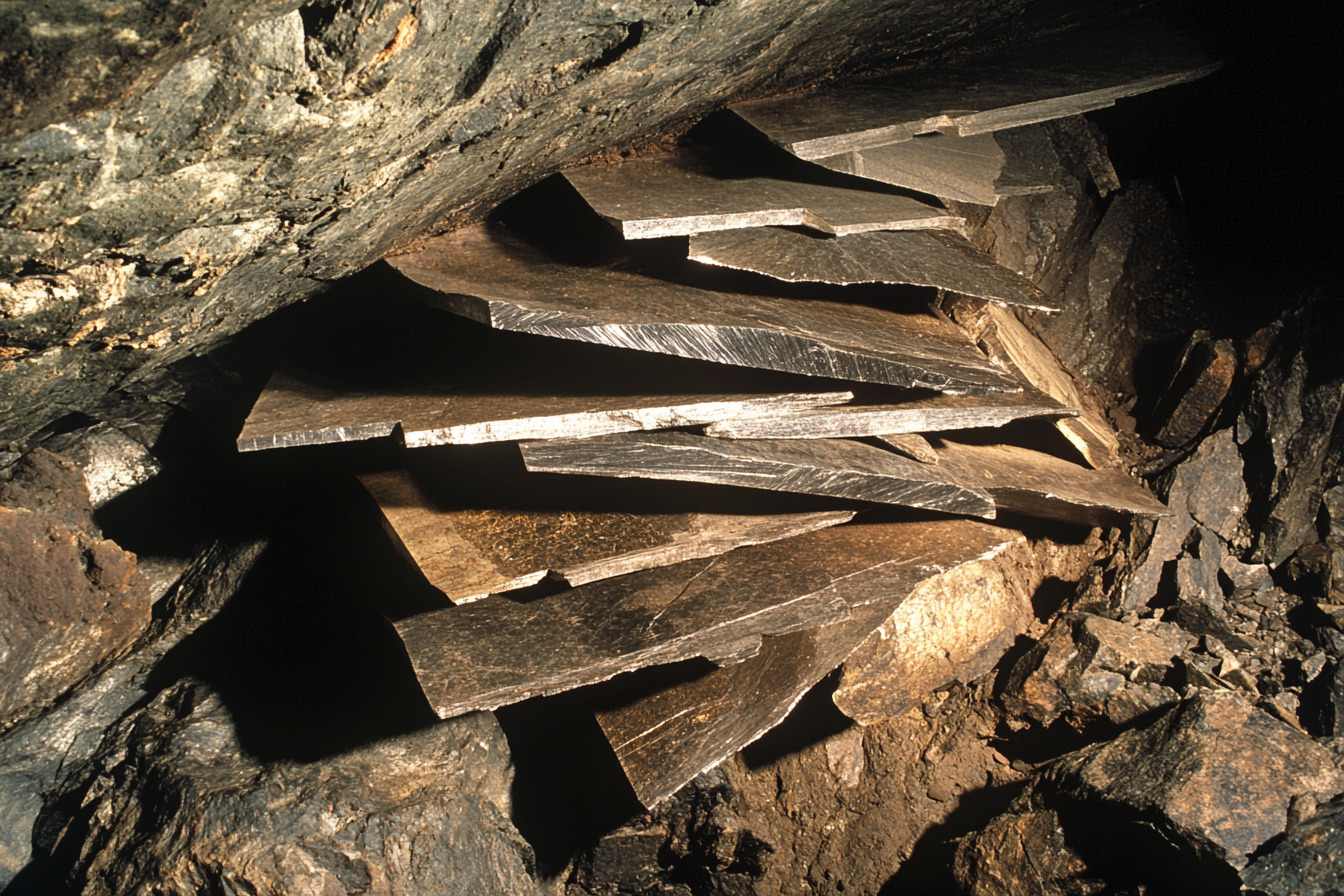
Mica is a group of minerals with the unique property of reflecting light, derived from the Latin word "micare" meaning "to glitter". It is widely used in various industries due to...
Mica is a group of minerals with the unique property of reflecting light, derived from the Latin word "micare" meaning "to glitter". It is widely used in various industries due to its distinctive physical and chemical properties, such as its flaky, sheet-like structure and composition of silicate minerals. Mica is primarily found in igneous and metamorphic rocks in countries like India, China, and Brazil.
The electrical and electronics industry utilizes mica as an insulator in transformers, generators, and electronic devices because of its excellent dielectric properties and resistance to high temperatures. In the cosmetics industry, mica is used as a colorant and additive to enhance the appearance of eyeshadows, blushes, and other makeup products. The construction industry also benefits from mica as an additive in roofing materials, cement, and paints due to its fire resistance and insulation properties.
Mica's history dates back at least 4,000 years, with early civilizations using it for decorative and ceremonial purposes. Ancient civilizations, such as the Egyptians, Greeks, and Romans, used mica for ornamental and ritual objects, grinding it into a powder to create eye shadows, lipsticks, and paints. Mica's heat resistance and insulating properties were also valuable in early metallurgy and pottery.
During the Industrial Revolution, mica's use expanded significantly, becoming an essential component in electrical insulation, heat resistance, and soundproofing applications. New production approaches, including synthetic mica production through hydrothermal synthesis, emerged in the 20th century to meet the growing demand. Despite these advancements, natural mica remains in high demand due to its unique properties and the challenges of replicating them synthetically.
Today, mica is used in various applications, from electronics and automotive parts to paints and cosmetics. However, the production of natural mica faces challenges such as child labor and environmental degradation, mainly in India, where much of the world's natural mica is sourced. As a result, companies are exploring alternative sources and supply chains to ensure responsible and sustainable mica production.
 Molybdenum
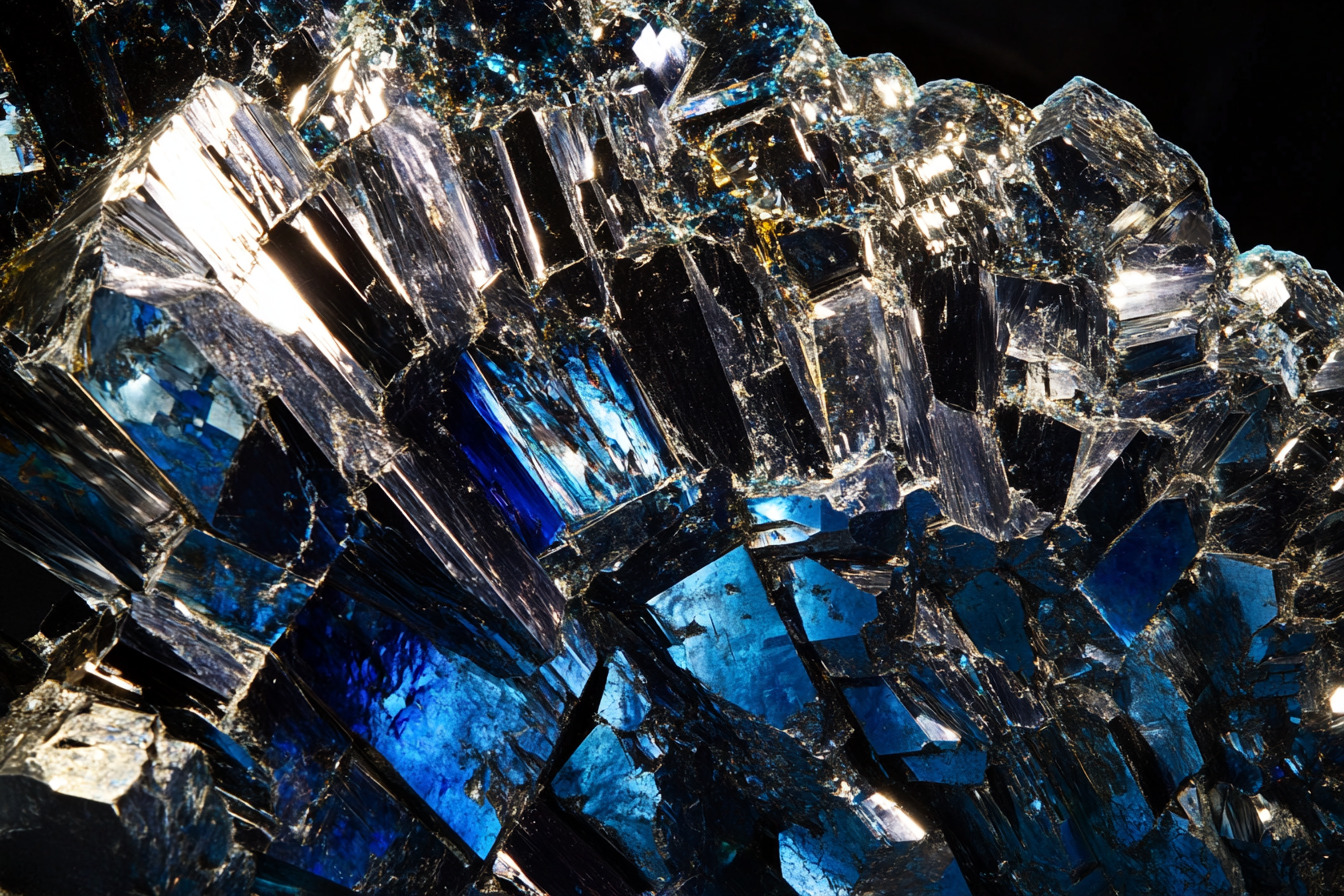
Molybdenum is a chemical element with the symbol Mo and atomic number 42. It's a silvery-white metallic element that belongs to the transition metals group and is not found in a fr...
Molybdenum is a chemical element with the symbol Mo and atomic number 42. It's a silvery-white metallic element that belongs to the transition metals group and is not found in a free state in nature. The primary source of molybdenum is molybdenite (MoS2).
This metal has a wide range of uses, particularly in the production of high-strength steel alloys, catalysts, and electronic components. Its heat-resistant and corrosion-resistant properties make it an ideal additive to improve the properties of various metals and alloys.
Molybdenum is extracted from molybdenite through a series of processes, including concentration through flotation, roasting to convert molybdenite to molybdenum trioxide, and reduction with hydrogen to produce molybdenum metal. Major producers include China, the United States, and Chile.
Discovered in the 18th century during lead ore mining, molybdenum remained a scientific curiosity until the late 19th and early 20th centuries. Its high melting point, corrosion resistance, and ability to maintain strength at high temperatures led to its use in steel production and various industrial applications.
During World War I and World War II, molybdenum demand surged due to its use in armor plating, aircraft parts, and high-temperature alloys. New uses in chemical applications, lubricants, and nuclear energy applications were discovered in the 1950s. The development of molybdenum-disulfide (MoS2) as a solid lubricant significantly expanded its use in extreme conditions, such as in the aerospace, automotive, and heavy machinery industries.
Modern production methods involve extracting molybdenum from large, low-grade porphyry deposits.
 Nickel
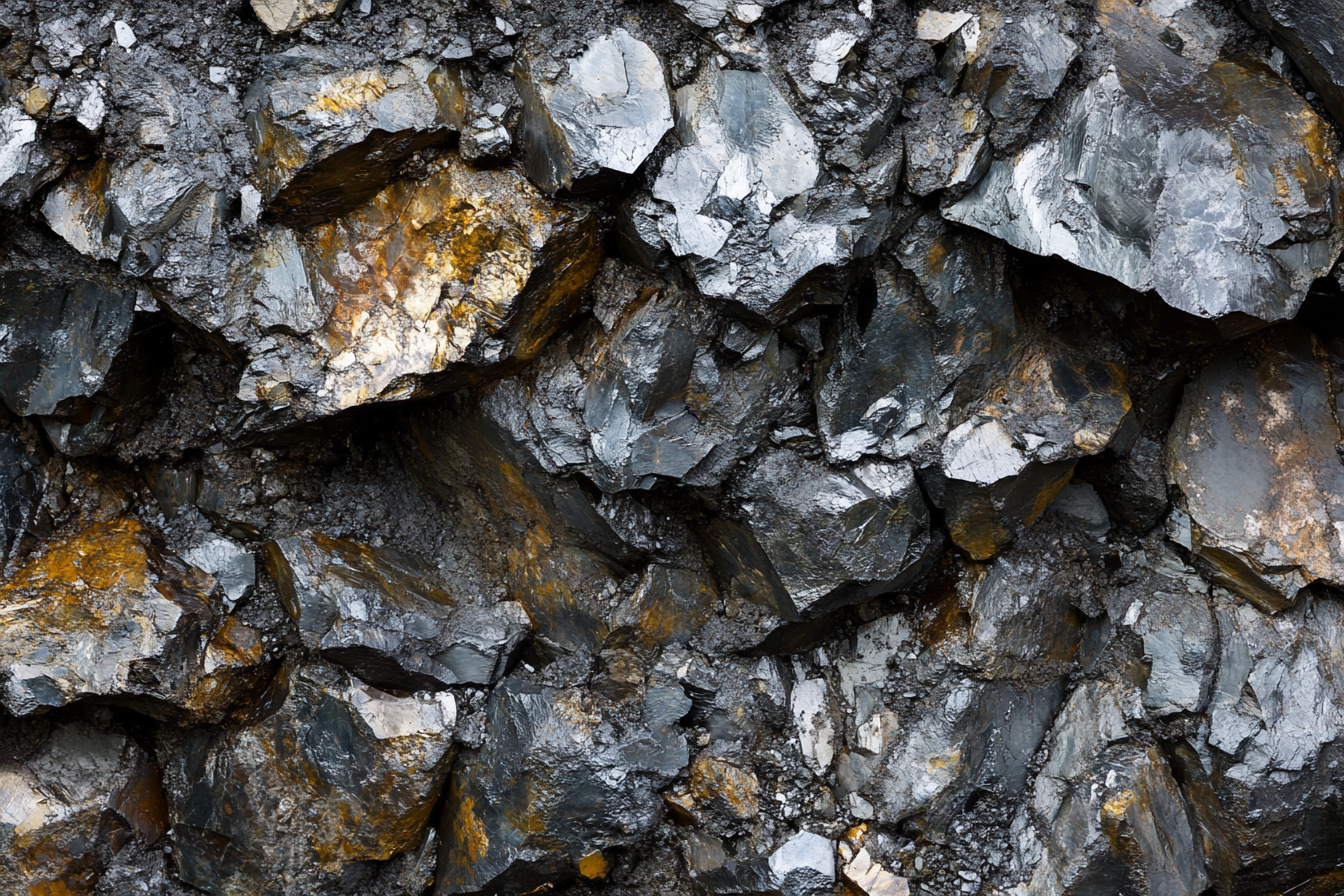
Nickel is a valuable and traded commodity, known for its silver-white appearance, hardness, ductility, and malleability. Initially discovered in the 18th century as a by-product of...
Nickel is a valuable and traded commodity, known for its silver-white appearance, hardness, ductility, and malleability. Initially discovered in the 18th century as a by-product of copper mining, nickel was first found in a mineral called kupfernickel. Its name comes from the German term for "Old Nick's copper," referring to the mischievous spirit that supposedly protected copper ore veins from miners.
Industrialization during the 19th century drove up the demand for nickel due to its unique properties, such as resistance to corrosion, heat, and magnetism. Applications include coinage, cutlery, stainless steel, and electrical equipment production. The discovery of vast nickel deposits in Canada in the late 1800s and advancements in extraction techniques transformed the nickel industry, allowing for efficient processing and reduced costs.
During World War I and II, nickel production saw a significant increase due to its crucial role in military applications like armor plating and artillery components. Technological advancements in mining and refining methods, including smelting and roasting techniques, were developed to meet the high demand.
Nowadays, the nickel industry focuses on sustainability and environmentally friendly production methods, concentrating on minimizing waste and reducing greenhouse gas emissions during extraction and refining processes. The increasing popularity of electric vehicles and renewable energy technologies has also led to a growing demand for nickel as a key component in batteries, further shaping the industry's future.
 Niobium
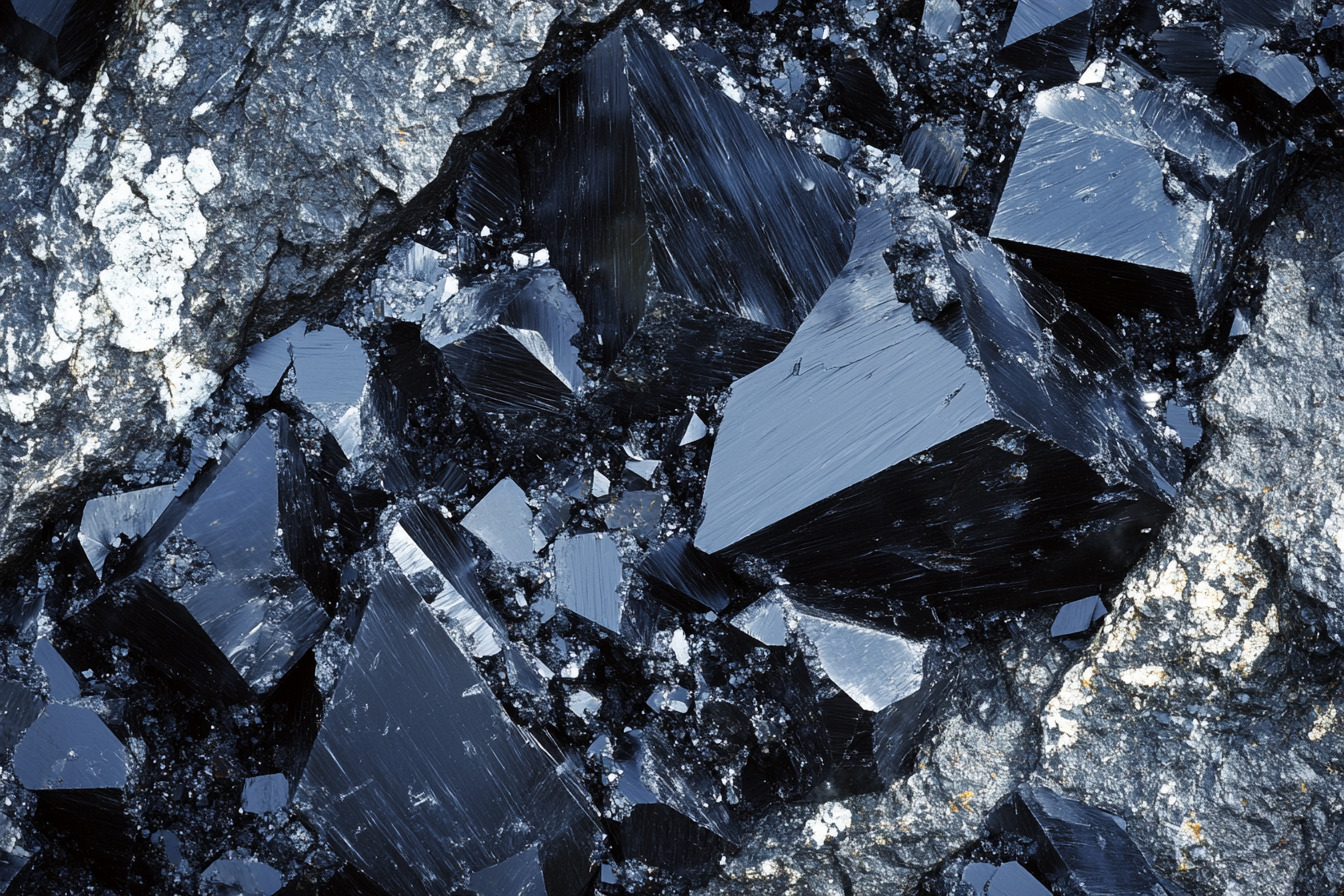
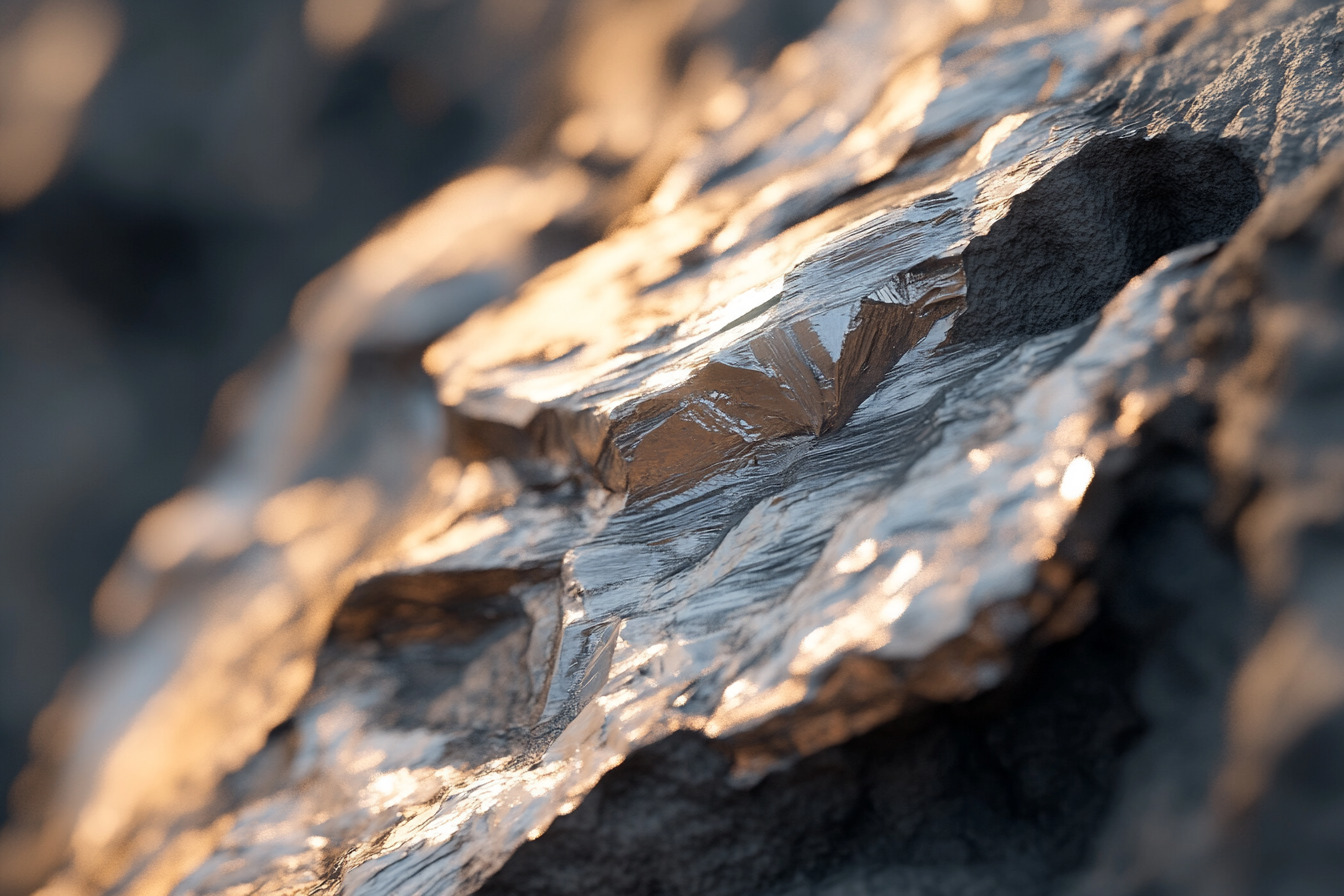
Niobium, also known as columbium, is a soft, ductile, and highly corrosion-resistant transition metal with the symbol Nb and atomic number 41. It is primarily found in the minerals...
Niobium, also known as columbium, is a soft, ductile, and highly corrosion-resistant transition metal with the symbol Nb and atomic number 41. It is primarily found in the minerals pyrochlore and columbite and obtained as a byproduct of mining and processing these minerals, mainly in Brazil and Canada. Niobium has various high-tech applications, including superconductors, high-strength low-alloy steels, welding rods, and nuclear reactors.
The production of niobium involves a reduction process, where niobium pentoxide is reduced to elemental niobium using carbon or hydrogen. Further processing is done to remove impurities, resulting in high-purity niobium powder or ingots, which are then formed into wires, rods, or sheets for various uses.
The history of niobium dates back to 1801 when British chemist Charles Hatchett discovered it and named it columbium. In 1844, German chemist Heinrich Rose renamed it niobium. Initially, niobium had limited use, but its addition to steel significantly improved strength and toughness, making it essential for high-strength steels. In the mid-20th century, new production approaches emerged, and the demand for niobium increased due to its use in superalloys.
Currently, Brazil and Canada are the largest niobium producers, accounting for over 90% of global production. Niobium production has become sophisticated, focusing on reducing environmental impact and improving energy efficiency through recycling programs and advanced extraction techniques.
 Peat
Peat
Peat is an organic matter that forms in wetlands and peatlands over thousands of years, made up of partially decomposed plant material such as mosses, sedges, and other vegetation....
Peat is an organic matter that forms in wetlands and peatlands over thousands of years, made up of partially decomposed plant material such as mosses, sedges, and other vegetation. It is primarily used as a fuel, especially in countries like Ireland, Finland, and Russia, and as a soil conditioner and additive in gardening and horticulture. Peat is also used in the production of activated carbon for filters. The extraction of peat has significant environmental impacts, including habitat destruction and contribution to climate change.
Peat has been used for thousands of years, with the first recorded use as a fuel source in Iron Age Ireland and Scotland. It was widely used in medieval Europe for iron smelting and brewing, and as a fertilizer and horticultural medium in the 17th to 19th centuries. Large-scale industrial production began in the 19th and 20th centuries, although environmental concerns have led to regulations restricting peat extraction in many countries.
Despite these challenges, peat remains an important commodity in certain industries, such as fuel and horticultural products. However, the environmental impacts of peat extraction should be carefully considered, as peatlands are important habitats and carbon sinks.
 Perlite
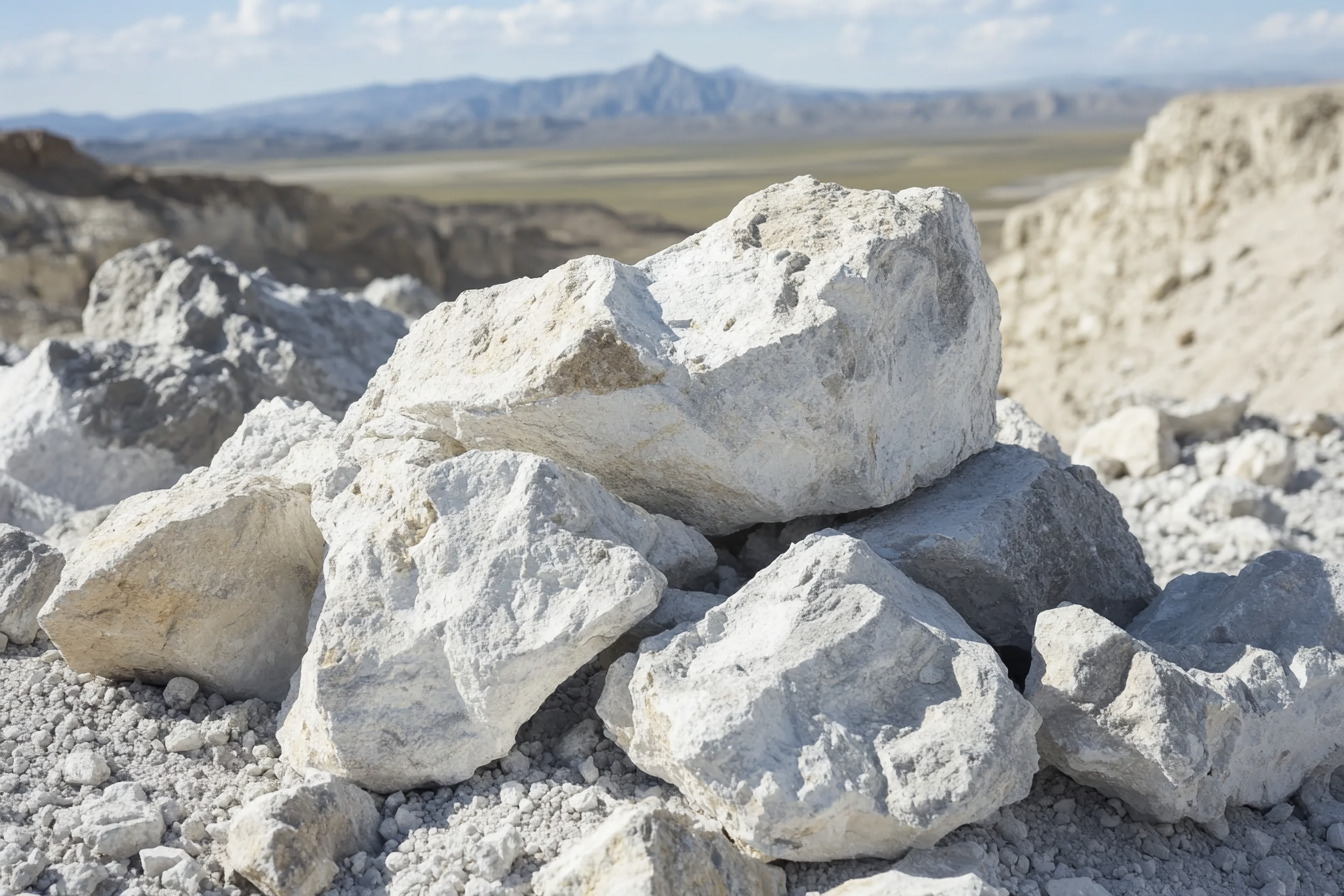
Perlite is a valuable commodity with a rich history, traced back to ancient civilizations. It is a form of volcanic glass that becomes lightweight and porous due to the presence of...
Perlite is a valuable commodity with a rich history, traced back to ancient civilizations. It is a form of volcanic glass that becomes lightweight and porous due to the presence of tiny bubbles or pockets of air, created by superheating it to high temperatures. Perlite is used in various industries such as construction, agriculture, and horticulture.
In construction, perlite serves as a lightweight aggregate in construction materials, improving insulation, reducing the weight of concrete, and increasing soil aeration. In agriculture and horticulture, perlite is commonly mixed with soil to improve drainage, moisture retention, and as a medium for growing plants in hydroponics, allowing water, nutrients, and oxygen to reach plant roots efficiently.
Perlite is produced by crushing and heating raw volcanic glass to temperatures of around 1,600 to 1,800 degrees Fahrenheit, causing it to expand and become white, lightweight, and porous. Its final product is inert, odorless, and does not decompose over time, contributing to its longevity and versatility.
Large-scale production and commercial application of perlite began in the early 20th century, initially in the construction and chemical industries. Perlite's use as a soil additive in horticulture became widespread after its unique properties were extensively studied, revealing its potential for improving drainage, aeration, and water retention in soil mixes. Modern production facilities use advanced methods to ensure high-quality, consistent products, leading to increased efficiency, better quality control, and a broader range of applications.
 Phosphorus
Phosphate rock is a naturally occurring mineral rich in phosphorus, an essential nutrient for plant growth. It consists mainly of the mineral apatite, a calcium phosphate, and is p...
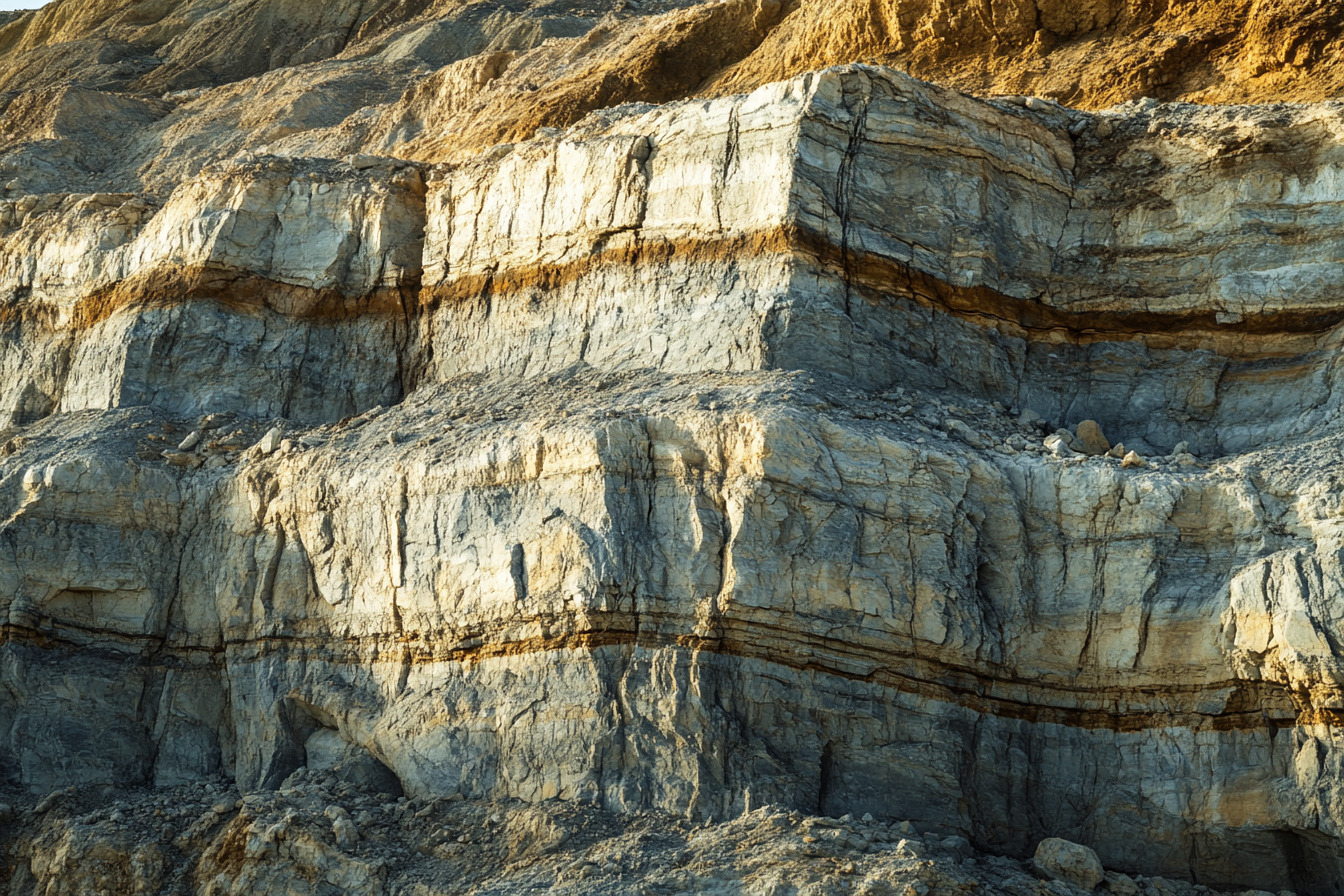
Phosphate rock is a naturally occurring mineral rich in phosphorus, an essential nutrient for plant growth. It consists mainly of the mineral apatite, a calcium phosphate, and is primarily found in sedimentary rocks formed from ancient sea beds. The two types of phosphate rock deposits are sedimentary phosphorites and igneous or metamorphic phosphates.
Phosphate rock is a crucial raw material in the production of agricultural fertilizers, with its processed phosphorus content significantly contributing to increased agricultural productivity. It also has various industrial applications, including detergents, food additives, and chemical products.
Mining is the primary method of phosphate rock production, involving the removal of overlying soil and rock, drilling, and blasting. Mechanical processes like crushing, screening, and washing are used for beneficiation and concentration before further processing into fertilizers or other products. Phosphate rock played a significant role in the development of modern agriculture, with its use traceable back to ancient civilizations and large-scale extraction beginning in the 19th century.
The discovery of phosphate rock's role in plant growth by scientists like Sir John Bennet Lawes and Justus von Liebig led to increased demand and the finding of significant deposits in England, the United States, and other countries. This transformation in agricultural practices allowed for enhanced crop yields and farmland productivity, contributing to global population growth and agricultural intensification.
Phosphate rock production has evolved from simple open-pit mining to more efficient and environmentally friendly methods like in-situ leaching. However, challenges remain, including environmental impacts, geopolitical tensions, and resource security concerns. As the global population continues to grow, the demand for phosphate rock and its sustainable production will remain critical issues.
 Potash
Potash is a crucial commodity in the agricultural industry, primarily used as a fertilizer to enhance plant growth. Its name originates from the early production method of extracti...
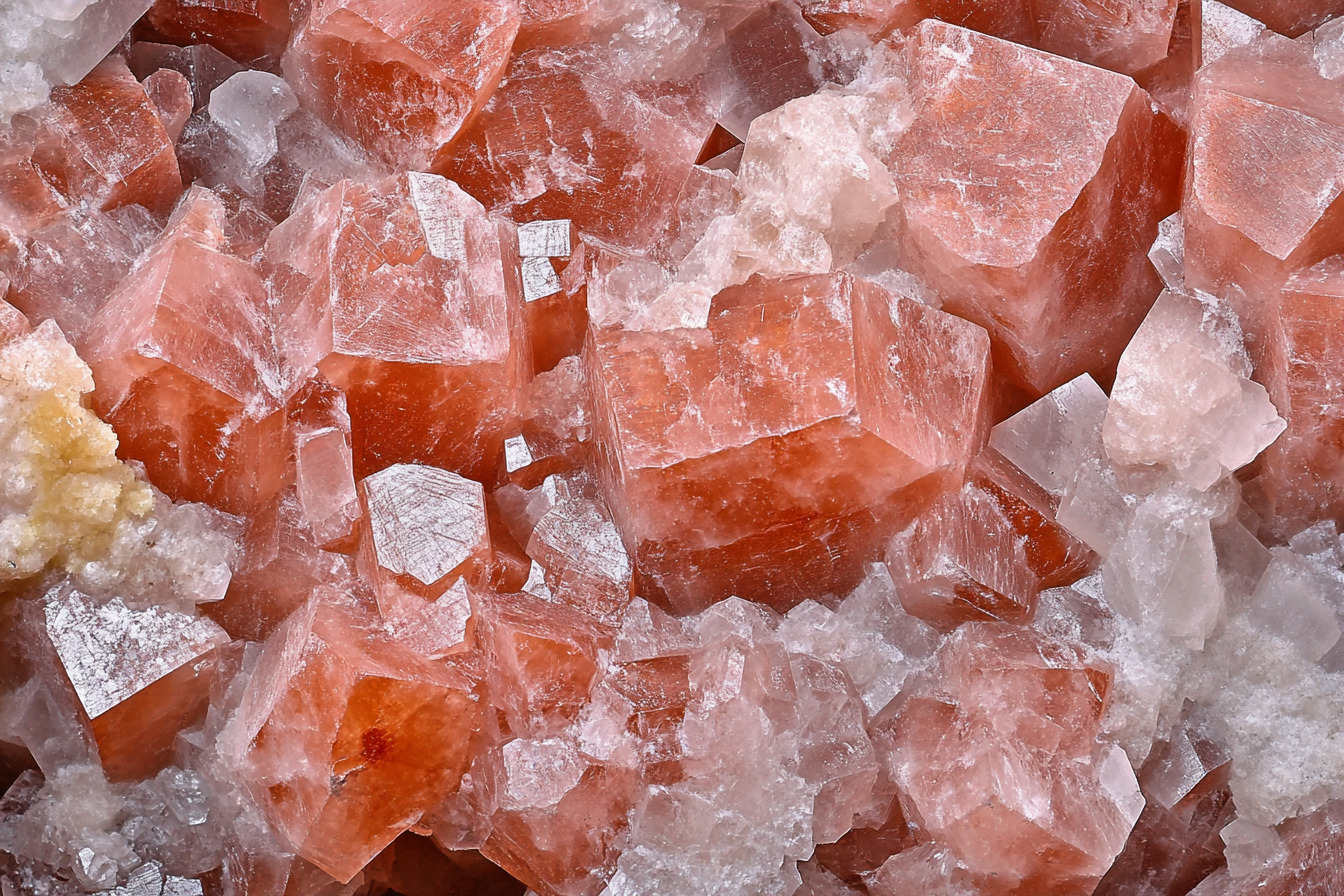
Potash is a crucial commodity in the agricultural industry, primarily used as a fertilizer to enhance plant growth. Its name originates from the early production method of extracting potassium carbonate crystals by soaking and boiling wood ash in large containers called "pots." Potash has been interlinked with human civilization's growth since ancient times, with early uses found in Egypt and China for glass and soap production.
The agricultural importance of potash was recognized in the late 1700s, when German chemist Johann Christian Friedrich Hölder discovered its value as a plant fertilizer, leading to increased demand and production. The production methods evolved from wood ash processing to mining natural potash-rich ore deposits. In the 20th century, solution mining and other advanced extraction methods were introduced to meet growing demands.
Canada and Russia are the world's largest potash producers, utilizing both solution mining and conventional underground mining. Technological advancements, such as continuous mining machines, conveyor systems, precision agriculture, and genetically modified seeds, have increased potash's efficiency and value in modern agriculture.
Potash also has various industrial applications, including food preservation, ceramics, glass, and pharmaceutical production. The global demand for potash is expected to grow steadily in the future due to its diverse uses.
 Pumice
Pumice is a unique and fascinating volcanic rock, known for its lightweight, porous nature. It forms during certain types of volcanic eruptions when gas-charged lava cools rapidly...
Pumice is a unique and fascinating volcanic rock, known for its lightweight, porous nature. It forms during certain types of volcanic eruptions when gas-charged lava cools rapidly upon contact with water or air. This rapid cooling results in a rock with a high volume of tiny bubbles, creating its distinct low density and porous structure.
Historically, pumice was sourced from natural volcanic deposits, often through mining or quarrying. However, with technological advancements and a deeper understanding of pumice's properties, synthetic pumice has also been developed, offering a more consistent product and greater control over its properties.
Pumice has numerous industrial applications:
- Abrasives: Pumice serves as an abrasive in various products such as cleaning agents, polishes, and cosmetics, thanks to its naturally occurring micro-exfoliating properties.
- Construction: It is used as a lightweight aggregate in concrete and other construction mixtures, contributing to improved insulation and strength.
- Agriculture: Pumice aids in improving soil structure and promoting water retention.
The unique properties of pumice have made it a valuable resource throughout history, with evidence of its use dating back to the Stone Age for tools and decorative purposes. Ancient civilizations, like the Romans and Greeks, also utilized pumice for various purposes, including building materials, abrasives, and jewelry-making.
Over time, new uses for pumice have been discovered, and its production and distribution have evolved. For example, during the Industrial Revolution, pumice became a popular abrasive in polishing compounds and soap, leading to increased demand and the development of new extraction and processing methods.
Today, pumice is used in a wide range of industries and applications, including construction, cosmetics, horticulture, and water filtration. Its lightweight nature and high porosity make it an ideal additive in various products and processes, showcasing the continued innovation and adaptation in the use of this remarkable volcanic rock.
 Rare Earths
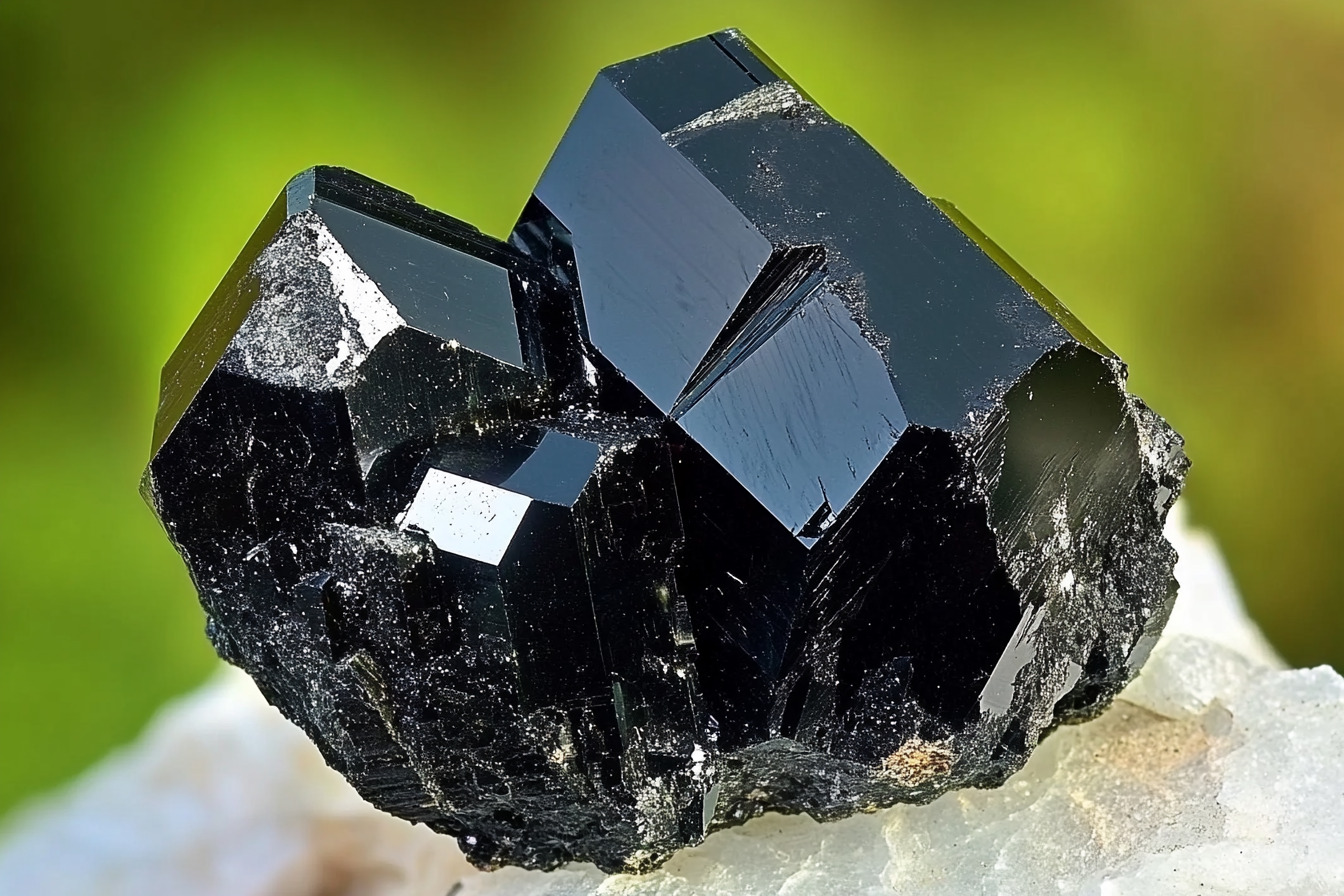
Rare earths are a group of 17 chemical elements, including scandium, yttrium, and the lanthanides. Despite their name, they are not extremely rare but are dispersed unevenly throug...
Rare earths are a group of 17 chemical elements, including scandium, yttrium, and the lanthanides. Despite their name, they are not extremely rare but are dispersed unevenly throughout the Earth's crust. The first rare earth element, yttrium, was discovered in 1787 in Sweden. More elements were discovered over the next few decades, primarily in the mines near the village of Ytterby.
Rare earths have unique magnetic, luminescent, and catalytic properties, making them highly sought after for high-tech and clean-energy products, such as magnets, batteries, catalytic converters, and electronics. The production process involves mining and a complex multi-stage separation process to isolate and purify individual rare earth elements.
Historically, the United States was the leading producer of rare earths until the 1980s when China began to expand its production capabilities. Currently, China dominates the global rare earth production, accounting for over 60% of the world's supply. This dominance is due to China's rich reserves and low production costs. The mining and processing of rare earths, however, pose environmental challenges, including radioactive waste generation and water pollution, raising concerns about the industry's sustainability and responsible sourcing.
Recent advances in extraction methods, such as solvent extraction and ion exchange, allow for the separation and purification of rare earth elements from mineral sands, ores, and recycled electronic waste. However, recycling and developing alternative materials remain crucial to reducing the dependency on rare earth mining and promoting sustainable and responsible production practices.
 Rhenium
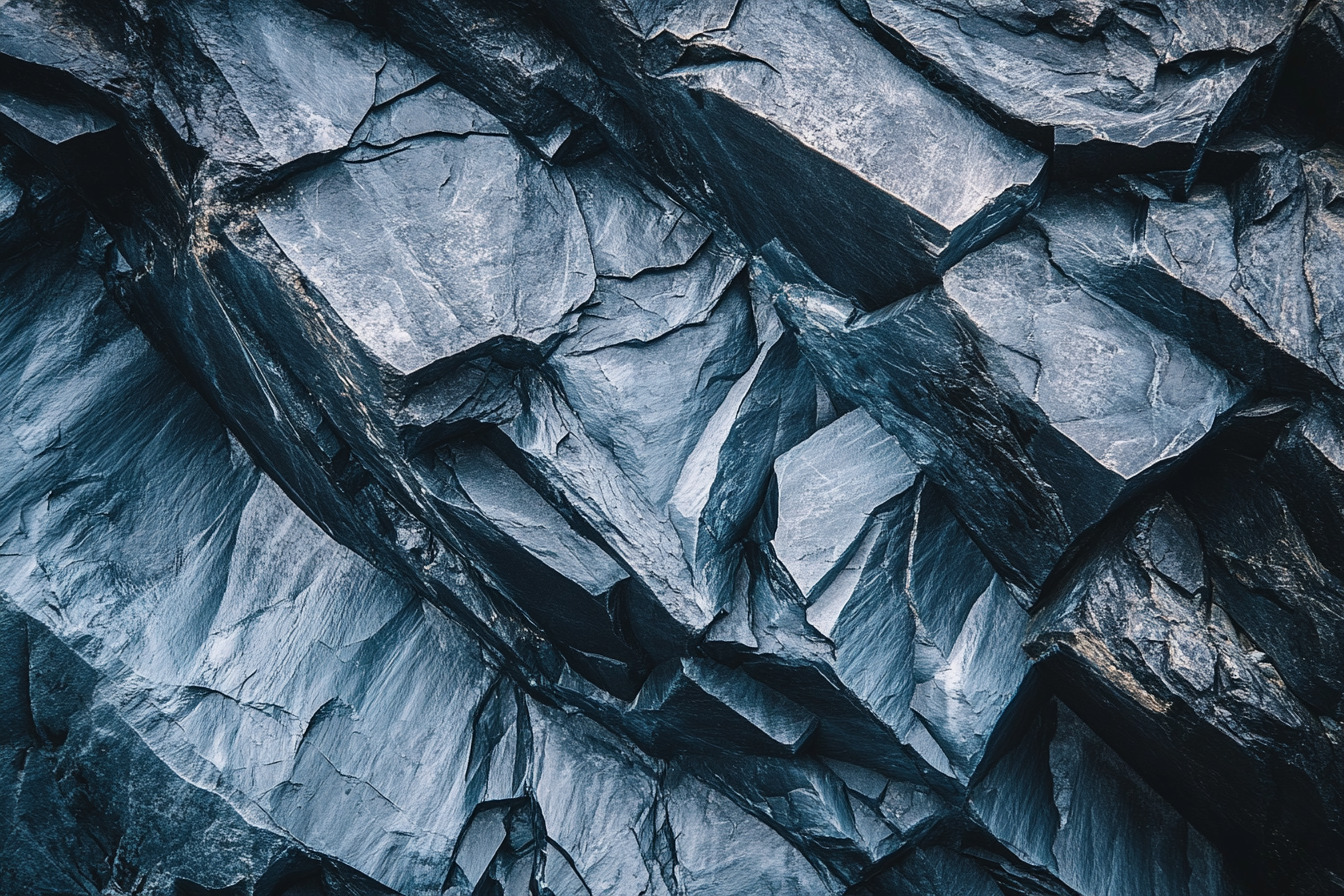
Rhenium is a rare, silvery-white metal with the symbol Re and atomic number 75. It is known for its high melting point, extreme temperature stability, and good chemical resistance....
Rhenium is a rare, silvery-white metal with the symbol Re and atomic number 75. It is known for its high melting point, extreme temperature stability, and good chemical resistance. Rhenium is one of the densest elements and is found in the minerals molybdenite and gadolinite. Its origin is tied to its presence in the Earth's crust, where it is mined as a byproduct of copper and molybdenum production.
The primary uses of rhenium are in the production of high-performance alloys, as a catalyst in the chemical industry, and in the manufacturing of electrical contacts and spark plugs. It is also used in high-temperature filaments for mathematical instruments and in platinum-rhenium catalytic converters for automobiles.
Rhenium was first discovered in 1925 by Walter Noddack, Ida Tacke, and Otto Berg in Germany. They found it as a contaminant in the mineral columbite and named it rhenium after the Rhine River.
Most rhenium is produced as a byproduct of molybdenum and copper mining and refining, with about 75% of the world's supply coming from Chile and Peru. China is the largest consumer of rhenium, followed by the United States. Due to its scarcity and high value, rhenium recycling has become an important source of this metal.
Rhenium's properties make it useful in a variety of applications, including light bulb filaments, aircraft spark plugs, car catalytic converters, electronics, chemical processing, battery electrodes, and solar panels. The price of rhenium has been volatile in recent years, due to increased demand and supply disruptions, but research is ongoing to find more efficient and sustainable ways to extract and recycle rhenium from existing sources.
 Rhodium
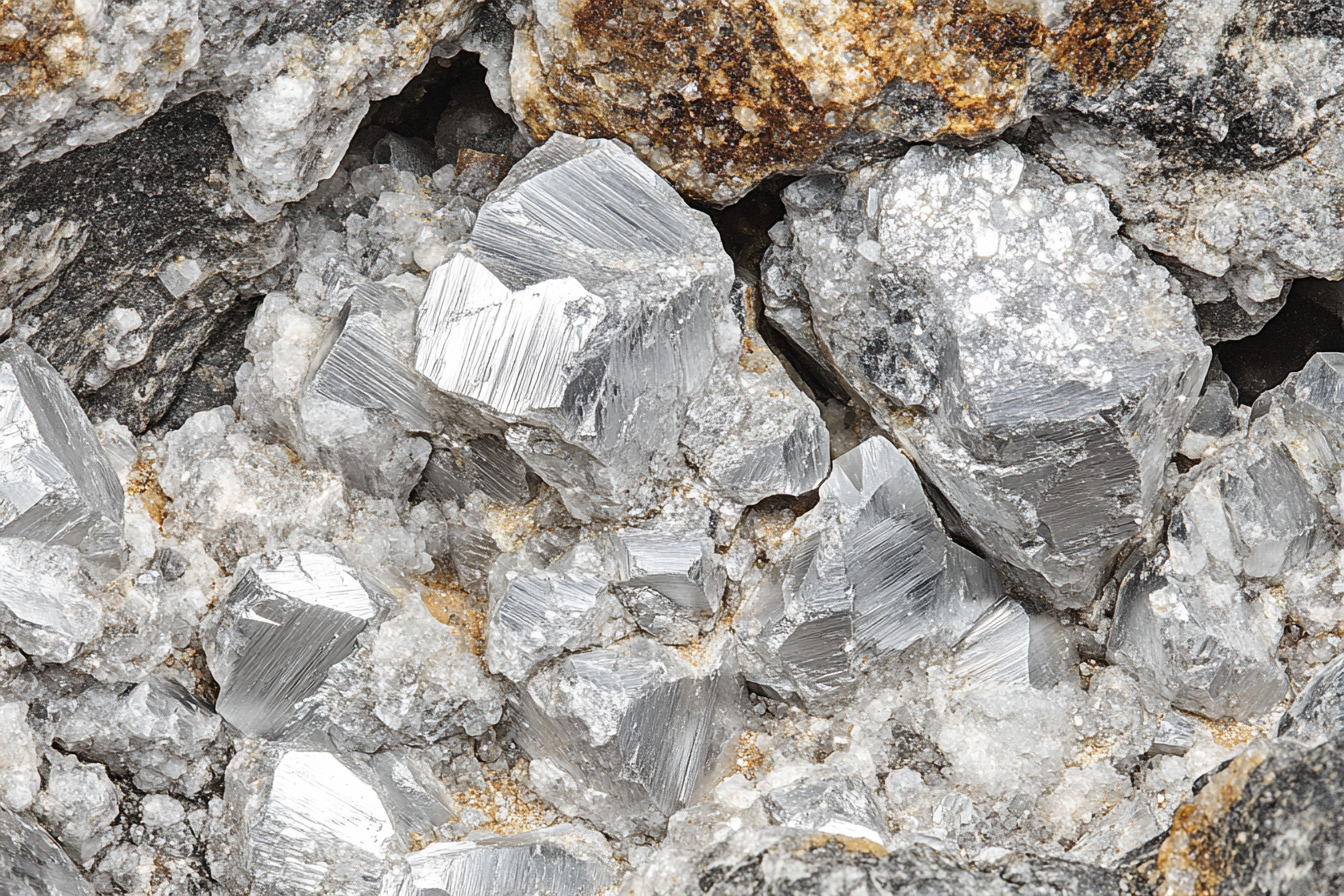
Rhenium is a rare, silvery-white metal with the symbol Re and atomic number 75. It is known for its high melting point, extreme temperature stability, and good chemical resistance....
Rhenium is a rare, silvery-white metal with the symbol Re and atomic number 75. It is known for its high melting point, extreme temperature stability, and good chemical resistance. Rhenium is one of the densest elements and is found in the minerals molybdenite and gadolinite. Its origin is tied to its presence in the Earth's crust, where it is mined as a byproduct of copper and molybdenum production.
The primary uses of rhenium are in the production of high-performance alloys, as a catalyst in the chemical industry, and in the manufacturing of electrical contacts and spark plugs. It is also used in high-temperature filaments for mathematical instruments and in platinum-rhenium catalytic converters for automobiles.
Rhenium was first discovered in 1925 by Walter Noddack, Ida Tacke, and Otto Berg in Germany. They found it as a contaminant in the mineral columbite and named it rhenium after the Rhine River.
Most rhenium is produced as a byproduct of molybdenum and copper mining and refining, with about 75% of the world's supply coming from Chile and Peru. China is the largest consumer of rhenium, followed by the United States. Due to its scarcity and high value, rhenium recycling has become an important source of this metal.
Rhenium's properties make it useful in a variety of applications, including light bulb filaments, aircraft spark plugs, car catalytic converters, electronics, chemical processing, battery electrodes, and solar panels. The price of rhenium has been volatile in recent years, due to increased demand and supply disruptions, but research is ongoing to find more efficient and sustainable ways to extract and recycle rhenium from existing sources.
 Salt
Salt
Salt, commonly used as a seasoning and preservative, is a household essential with a rich history. Extracted from salt mines and seawater evaporation, notable sources include the R...
Salt, commonly used as a seasoning and preservative, is a household essential with a rich history. Extracted from salt mines and seawater evaporation, notable sources include the Rocky Mountains and the Dead Sea. Production involves refining and iodizing for purity and health benefits.
Originally discovered around 6000 BC in China, salt production progressed from boiling brine to solar evaporation and mining. Ancient civilizations, like Egypt, utilized salt for seasoning, mummification, and even currency, originating the term "salary."
During the Industrial Revolution, advancements in heat exchangers and vacuum pans allowed for mass production, boosting the industry's global impact. Modern methods involve large-scale vacuum evaporation and centrifugation, along with solar evaporation in suitable climates.
With growing awareness of health effects, lower-sodium salts like potassium chloride are becoming more common. Salt remains vital for various industries, such as chemical production, pharmaceuticals, and water treatment, showcasing human innovation throughout history.
 Sand
Sand
Sand and gravel are common loose sediments formed naturally over time through weathering and erosion of rocks, typically found in river beds, ocean floors, and lake beds. They have...
Sand and gravel are common loose sediments formed naturally over time through weathering and erosion of rocks, typically found in river beds, ocean floors, and lake beds. They have various primary uses such as construction aggregate, landfill cover, substrate in landscaping and gardening, production of glass, and filtration systems for water treatment. These materials are extracted through open-pit mining, dredging, or quarrying and undergo washing, screening, and sorting processes.
The history of sand and gravel use dates back to prehistoric times when early humans used them for construction purposes. As civilizations advanced, so did the applications of these materials—the Egyptians and Romans used sand in mortar and concrete for their architectural wonders. During the Industrial Revolution, mechanized mining techniques emerged due to increased demand from rapid urbanization, railway development, and canal networks expansion.
In the modern era, aggregate production, which includes sand and gravel, accounts for approximately 66% to 75% of total national consumption in construction uses. These materials are essential for various industries like construction, glass production, electronics, and solar panels. However, unsustainable mining practices have raised environmental concerns, leading to the degradation of ecosystems and compromising the long-term availability of these resources. There is a growing need for responsible and sustainable sand and gravel management strategies.
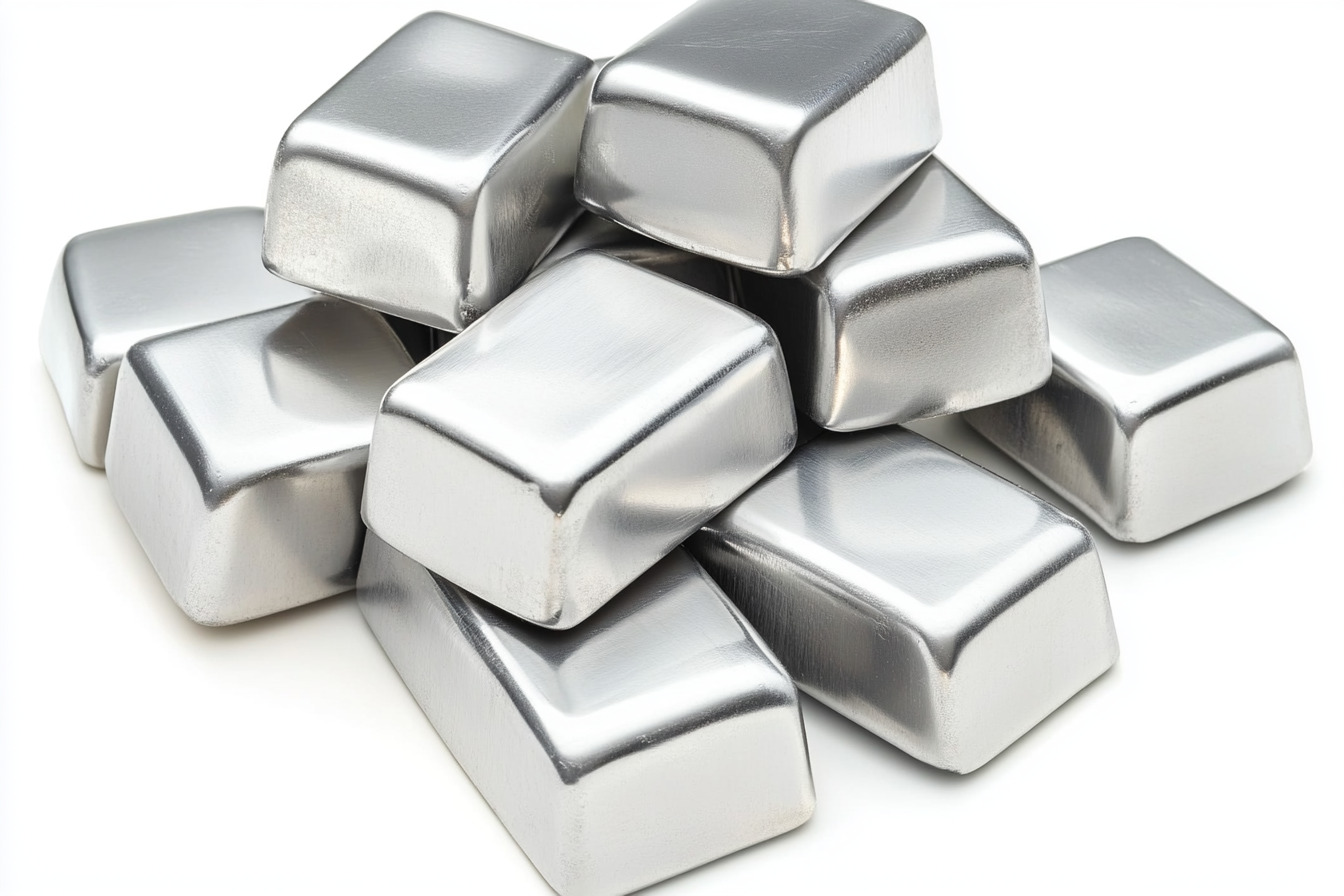 Selenium
Selenium is a trace element and a metalloid, sharing properties with both metals and non-metals. It is not a carbon-based compound and can be found in the earth's crust, originatin...
Selenium is a trace element and a metalloid, sharing properties with both metals and non-metals. It is not a carbon-based compound and can be found in the earth's crust, originating from selenium-rich rocks and as a by-product of copper, nickel, and iron refineries. With a wide range of primary uses, selenium's most significant applications include the production of electronic and electrical equipment, such as semiconductors, solar cells, and photocells. Its unique properties enable it to reduce defects in silicon chips, and it is also used in the production of glass to give a red color.
Originally discovered in 1817 by Swedish chemist Jöns Jakob Berzelius, selenium was initially confused with tellurium. Eventually, it was recognized as a distinct element and named after the Greek goddess of the moon, Selene. In the past, selenium was primarily used in the production of glass and photographic paper. However, research has since shown that selenium is an essential trace element for animals and humans, participating in various biological processes, including antioxidant defense systems, immune function, and thyroid hormone metabolism.
Selenium production methods have evolved from low-purity products derived from copper refining to high-purity selenium obtained through electrolysis, hydrometallurgical processes, and recycling of scrap and waste materials. These advancements have led to more efficient and environmentally friendly production methods for selenium's diverse applications in industries such as electronics, where it is used in rectifiers and photocells, and agriculture.
 Silver
Silver is a precious metal with a rich history dating back thousands of years. It has been used for various purposes, including coinage, jewelry, and art, due to its unique propert...
Silver is a precious metal with a rich history dating back thousands of years. It has been used for various purposes, including coinage, jewelry, and art, due to its unique properties. Silver was discovered in its natural state as a native metal and in ores such as lead and copper.
Throughout history, silver played a crucial role in global trade patterns. The discovery of vast silver deposits in the Americas in the 16th century led to a massive influx of the metal into Europe, sparking inflation and transforming global trade patterns. Silver coins from the Americas became widely used as a standard form of currency, and the minting of silver coins became a major industry in Europe and the Americas.
Silver production increased significantly in the 19th and 20th centuries due to the discovery of new silver deposits and the development of new mining techniques. However, in recent decades, silver production has declined due to the depletion of high-grade deposits, rising production costs, and competition from other metals. According to the U.S. Geological Survey, global silver production dropped by 4.4% in 2020, marking the fourth consecutive year of decline.
Despite the challenges facing the silver industry, silver remains an important commodity with a wide range of uses. New discoveries and technological advancements may lead to a resurgence in silver production in the future, while the growing demand for the metal in emerging economies may drive up prices and stimulate investment in silver mining.
Today, the primary uses of silver are largely industrial, including its application in electronics, solar panels, and water purification. It is also widely used in the production of jewelry, coins, and silverware. Silver's unique properties, such as its high conductivity and antimicrobial properties, make it an essential metal in various industries.
 Soda Ash
Soda ash, with the chemical composition of sodium carbonate (Na2CO3), is a versatile white powder that has a wide range of industrial applications. Its origins can be traced back t...
Soda ash, with the chemical composition of sodium carbonate (Na2CO3), is a versatile white powder that has a wide range of industrial applications. Its origins can be traced back to natural deposits known as trona or can be synthesized through the Solvay process, which involves reacting salt, ammonia, and carbon dioxide in water.
The primary use of soda ash is in glass production, where it acts as a flux, lowering the melting point of silica sand and creating a clear, smooth product. Additionally, soda ash is used in detergent manufacturing, paper production, and chemical reactions as a source of sodium ions.
Industrial production of soda ash can occur through the Solvay process, brine modification, or as a byproduct of other chemical productions. The Solvay process, developed in 1861, is more efficient and environmentally friendly than the earlier Leblanc process, which was widely used from the late 18th century until the early 20th century.
Soda ash has a rich history, with natural deposits of sodium carbonate decahydrate, or natron, being discovered and utilized in ancient Egypt for various applications, including glassmaking, mummification, and soap production. Today, soda ash is a vital chemical in numerous industries, with two primary uses in glass and detergent production, accounting for over 70% of global consumption. Other applications include chemical production, paper, textiles, and metals.
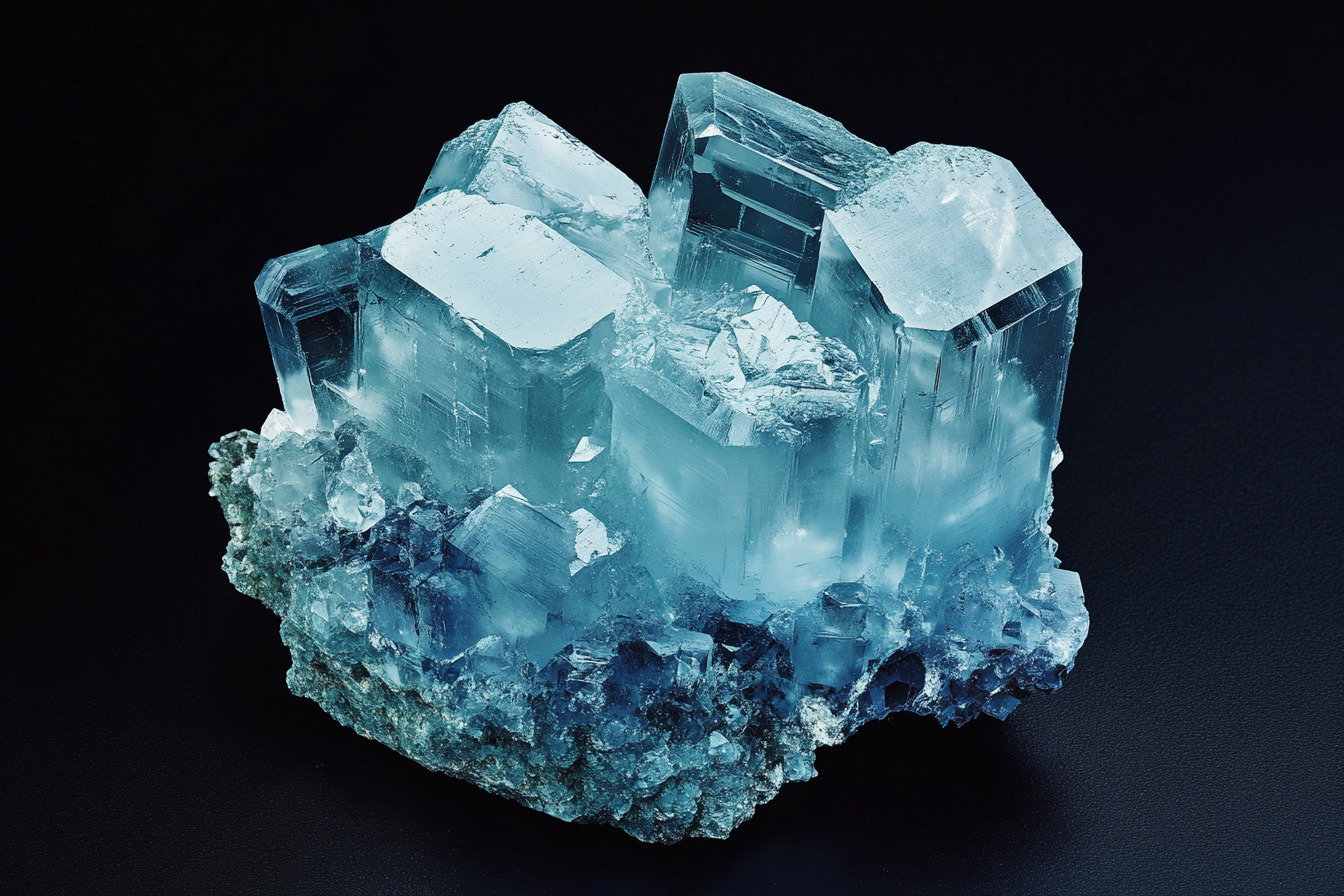 Strontium
Celestite is a mineral primarily composed of strontium sulfate (SrSO4) and is known for its beautiful blue color, although it can also be white. The name "celestite" is derived fro...
Celestite is a mineral primarily composed of strontium sulfate (SrSO4) and is known for its beautiful blue color, although it can also be white. The name "celestite" is derived from the Greek word "kustomos," meaning "celestial" or "relating to the sky," reflecting its ethereal blue hue reminiscent of the sky and heavens. Celestite is commonly found in sedimentary rocks and has a history of various uses.
Industrially, celestite is vital in glass production due to its high strontium content, which enhances the glass's resistance to heat and improves durability. It is also used in fireworks, pyrotechnics, and flares because of its ability to produce a bright, intense light when burned. Historically, celestite served as a source of strontium for industrial applications such as sugar refining, improving cast iron quality, and creating crimson-colored fireworks and flares.
Aesthetically, celestite has become popular in the gemstone and ornamental objects world due to its beautiful blue color and unique crystal structure. It is often cut into cabochons or used in its raw form as display specimens. Collectors and mineralogists also value celestite for its beauty and rarity.
Celestite is typically found in sedimentary rocks like limestone or in hydrothermal veins and has been traditionally extracted through mining. However, solution mining is becoming more popular, involving injecting water or a mildly acidic solution into the ground to dissolve celestite, which is then pumped to the surface for further processing.
Throughout history, celestite has maintained significant value in both industrial and ornamental contexts, showcasing the ever-evolving ways humans have utilized Earth's natural resources for creation and innovation.
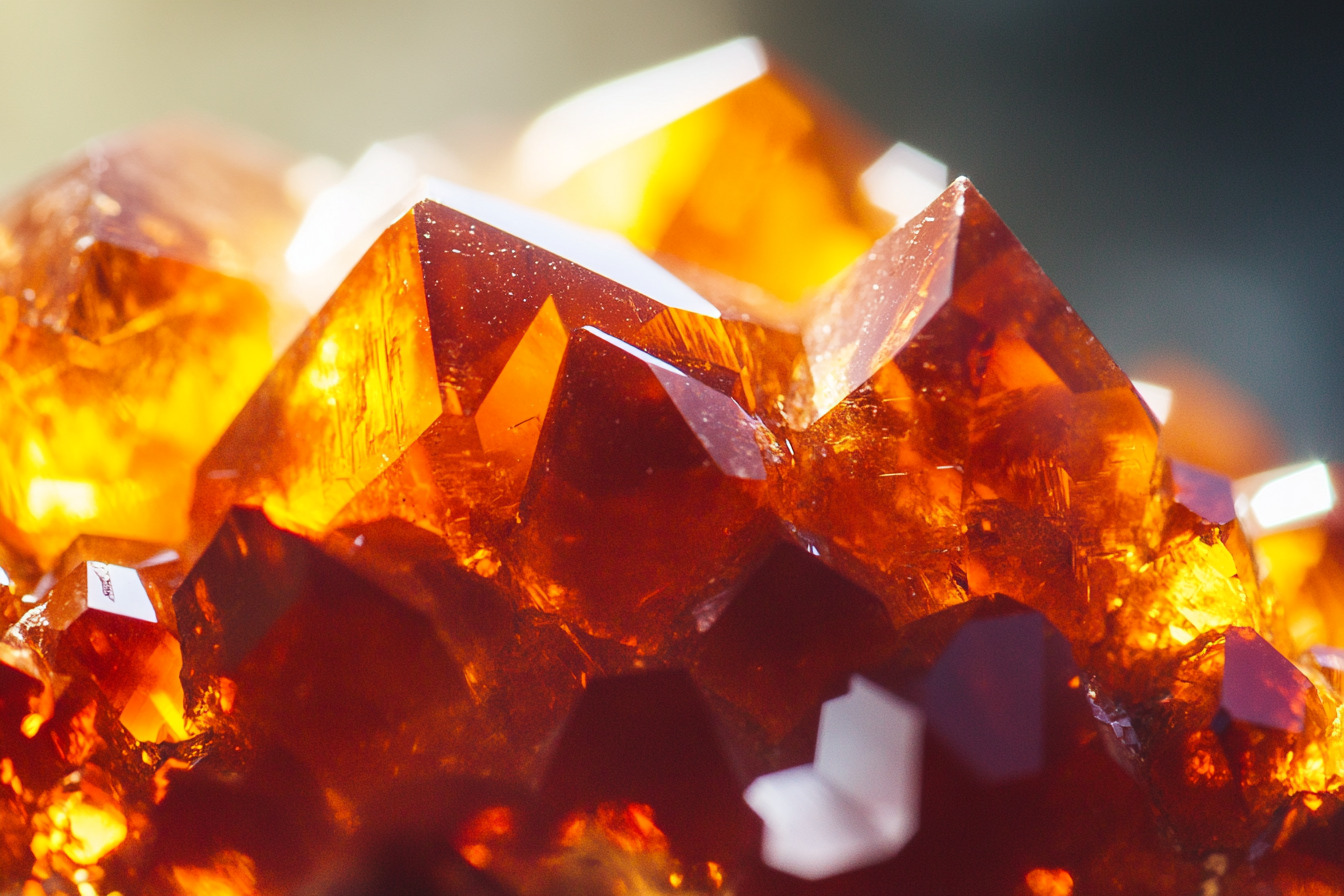 Sulphur
Sulfur is a yellowish, odorless, nonmetallic element with the symbol "S" and atomic number 1
Sulfur is a yellowish, odorless, nonmetallic element with the symbol "S" and atomic number 1
 Tantalum
Tantalum is a rare, blue-gray transition metal that is highly corrosion-resistant and has excellent heat conduction properties. It is primarily sourced from the mineral columbite-t...
Tantalum is a rare, blue-gray transition metal that is highly corrosion-resistant and has excellent heat conduction properties. It is primarily sourced from the mineral columbite-tantalite, found in countries like Australia, Brazil, and the Democratic Republic of Congo (DRC). The ore is crushed, concentrated, and treated with hydrofluoric and sulfuric acids to create tantalum pentoxide, which is then reduced to produce pure tantalum.
Tantalum is primarily used in the production of electronic components, such as capacitors and resistors, due to its ability to form compact, robust, and reliable capacitors with high capacitance and low dissipation factors. It is also used in surgical instruments, implants, and nuclear reactors because of its biocompatibility and resistance to corrosion.
First discovered in 1802, tantalum was initially used in laboratory equipment and incandescent light filaments. Its applications expanded during the 20th century, becoming vital to the military for capacitors in radios, electronic equipment, and navigation systems in aircraft. After World War II, commercial uses continued to grow in electronic devices and surgical implants.
Producing tantalum is complex due to its rarity and the difficulty of extracting it from tantalite. Until the mid-20th century, it was mainly produced as a byproduct of tin mining. Today, it's primarily produced through acid leaching.
Recent concerns involve ethical and environmental issues, as tantalum mining, particularly in the DRC, has been linked to human rights abuses and conflict. Efforts have been made to develop more responsible and sustainable sources of tantalum.
 Tellurium
Tellurium is a rare, silver-white metalloid with a greyish hue, named after the Latin word "tellus" meaning earth or ground. It is not found in a free state in nature but as minor...
Tellurium is a rare, silver-white metalloid with a greyish hue, named after the Latin word "tellus" meaning earth or ground. It is not found in a free state in nature but as minor components in various mineral deposits, primarily in copper and lead ores. Its production has evolved from being a byproduct of copper and lead refining to being extracted mostly from the anode sludge of copper electrolytic refinement. China is the leading producer, followed by Peru, Canada, and the United States.
Tellurium is primarily used in the production of alloys, such as stainless steel and copper alloys, to improve their machinability and resistance to corrosion. It also plays a vital role in the semiconductor industry, where it is added to bismuth telluride and lead telluride to make thermoelectric materials that convert temperature differences directly into electrical energy. In the rubber industry, tellurium dioxide is used in vulcanization to improve wear resistance, elasticity, and aging properties.
Historically, tellurium was used in the production of gold and silver, forming insoluble compounds that could be separated and heated to release pure metals. It also served as a colorant in glass and ceramics, giving them a ruby-red color. With the advent of the electrical industry, tellurium became crucial in the production of thermoelectric devices and radio communication components such as cadmium sulfide and selenium rectifiers.
In recent years, tellurium usage has expanded to high-technology sectors, including solar panels and other clean-energy applications, due to its excellent photovoltaic and thermoelectric properties. The global production of tellurium has been increasing, reaching around 800 tons in 2020. As research and development continue, the use and production of tellurium in various industries are set to grow and innovate further.
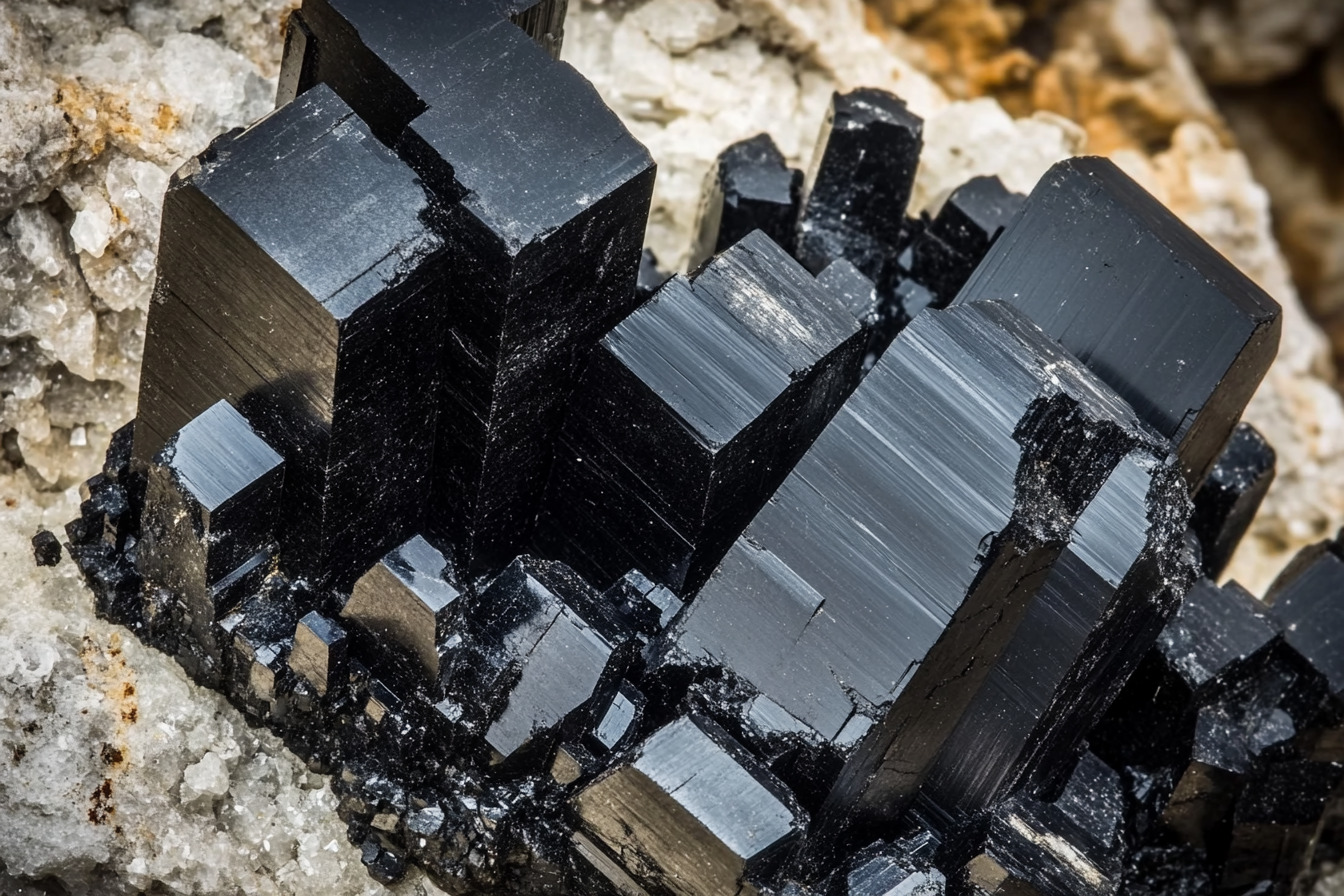 Tin
Tin
Tin, with the symbol Sn and atomic number 50, is a chemical element and a primary source of tin is the commodity tin or cassiterite. Traced back to one of the earliest metals used...
Tin, with the symbol Sn and atomic number 50, is a chemical element and a primary source of tin is the commodity tin or cassiterite. Traced back to one of the earliest metals used by humans, tin has a long history dating to around 3000 BC. Cassiterite is a widely distributed mineral found in countries such as China, Indonesia, and Brazil, and is obtained from hard-rock underground or open-pit mines, as well as alluvial deposits.
Tin is used in various industries, with its primary applications being in tinplate, solder, and pewter production. Tinplate is a crucial component in container manufacture, while solder, a tin-lead alloy, is used in electronics for joining metal components. Pewter, a malleable tin alloy, is used in decorative and household items.
Cassiterite is typically found in hydrothermal veins, placer deposits, and as a secondary mineral in rocks such as granites. After mining, the raw ore is concentrated through gravity separation or flotation processes. Further treatment such as roasting and acid leaching is required to extract tin from cassiterite, with the final stage being electrolytic refining.
Tin use has been documented as far back as 3500 BCE in Turkey, where it was mined and traded, and used for tools, ornaments, and weapons. With the advent of the Industrial Revolution, tin production increased significantly, and was used in a variety of applications. However, tin use has declined in recent years due to environmental concerns and the availability of alternative materials. Nonetheless, tin remains a vital part of human history and continues to be used in various applications, including electronics, soldering, and alloys.
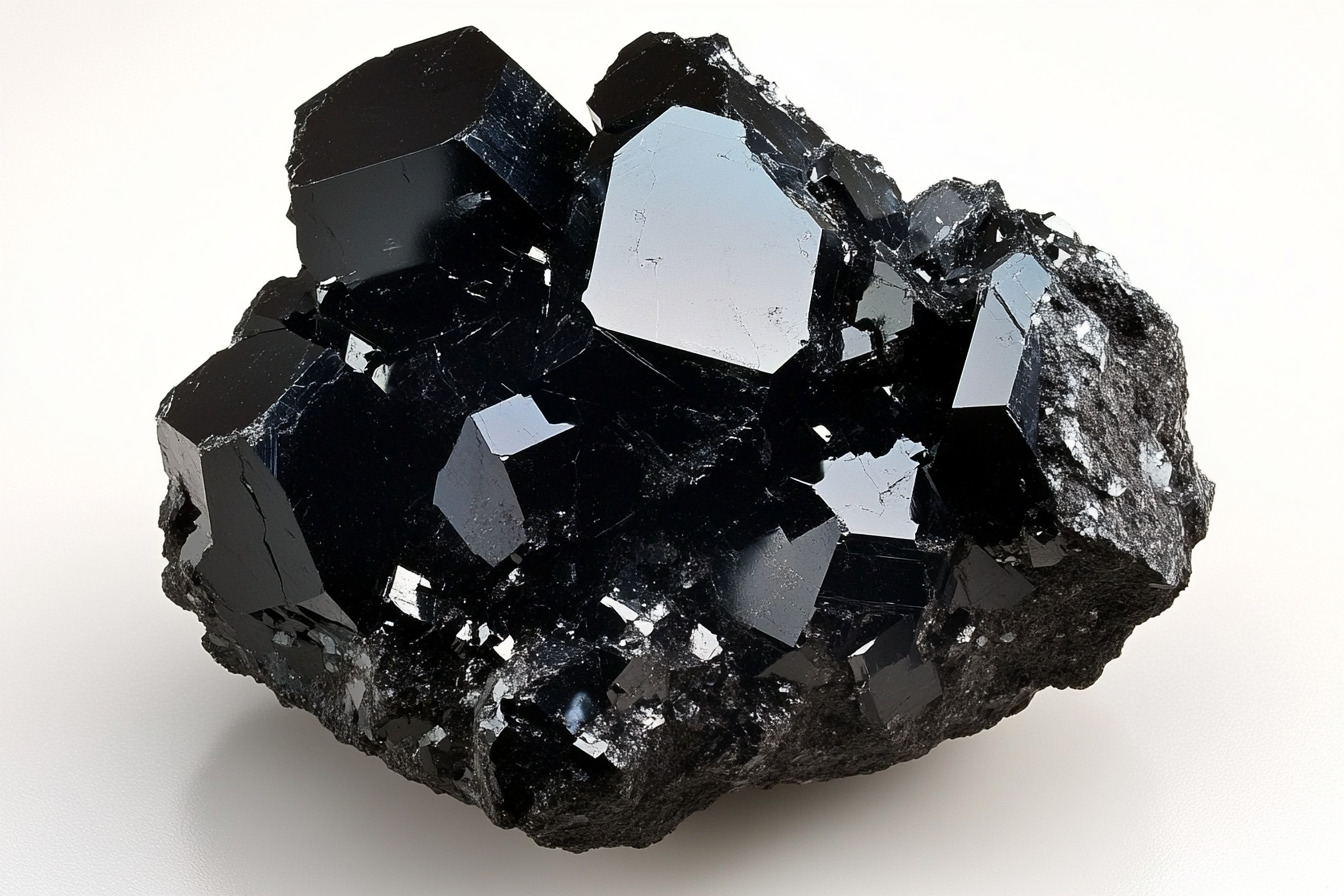 Titanium
Titanium is a valuable and widely used commodity, known for its exceptional strength, light weight, and high corrosion resistance. It is primarily found in ilmenite and rutile mine...
Titanium is a valuable and widely used commodity, known for its exceptional strength, light weight, and high corrosion resistance. It is primarily found in ilmenite and rutile minerals, abundant in the Earth's crust, particularly in Australia, South Africa, and Canada. The production process involves mining these minerals and converting them into a titanium dioxide intermediate, followed by reduction to produce high-purity titanium sponge.
Titanium has a rich history, first discovered by Reverend William Gregor in 1791 and later named "titanium" by Martin Heinrich Klaproth in 1795. Initial uses were limited, but widespread adoption began in the 1900s due to improved extraction methods, like the Kroll process, which remains the primary industrial-scale approach.
Titanium's unique properties make it indispensable in various industries:
- Aerospace and defense: High strength-to-weight ratio for aircraft and spacecraft components
- Industrial: Corrosion resistance in chemical processing equipment and desalination plants
- Consumer goods: Sports equipment, watches, and eyewear
- Medical: Biocompatibility in artificial joints and dental implants
New extraction methods are being explored to reduce environmental impact and production costs, such as electrochemical processes. With its remarkable properties and versatility, titanium continues to be a crucial material in high-tech and industrial applications.
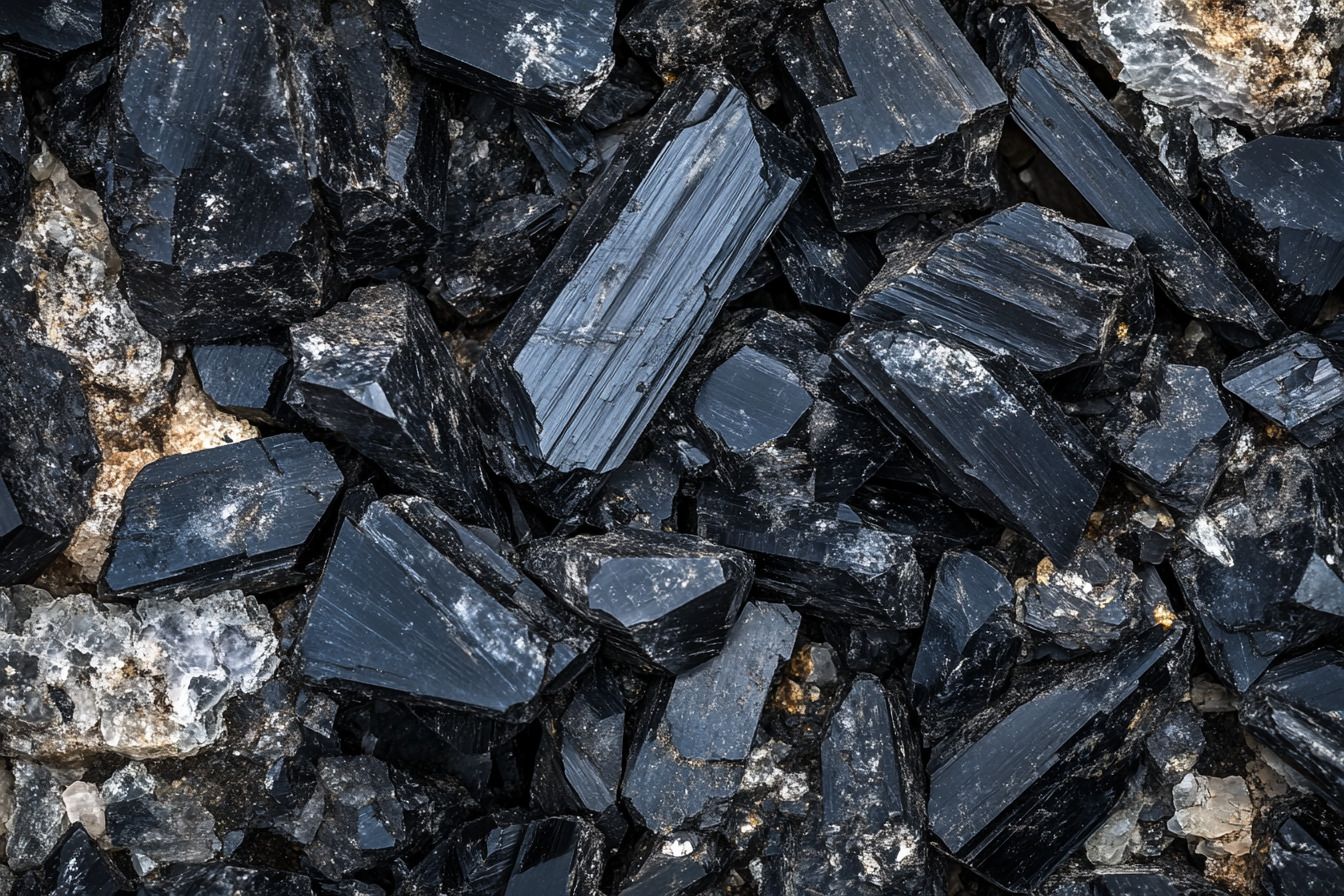 Tungsten
Tungsten is a grayish-white, steel-like metal with the highest melting point of all elements and the lowest vapor pressure of all metals. It is virtually found only in nature as co...
Tungsten is a grayish-white, steel-like metal with the highest melting point of all elements and the lowest vapor pressure of all metals. It is virtually found only in nature as compounds with sulfur, oxygen, or carbon. The primary mining areas of tungsten are China, Russia, Canada, and Brazil. With a chemical symbol of W and atomic number 74, tungsten's story begins in 1781 when Carl Scheele discovered tungsten oxides. Two Spanish scientists, Fausto Elhuyar and Juan José Elhuyar, isolated the metal in 1783.
Tungsten's primary use is in the production of hard materials, specifically tungsten carbide for industrial machinery tools such as drilling, cutting, and mining equipment. Around 20% is used for electrodes in welding, while 14% is used in chemicals, light bulb filaments, and other minor uses. Tungsten does not occur naturally and must be extracted from ores like wolframite and scheelite through processes involving chemical reactions, purification, and smelting.
Historically, tungsten was first used in chemical experiments due to its high melting point and density. In the 19th century, practical applications emerged, including alloying tungsten with steel for hard materials and using it in rock drill bits and tools. During World War I, tungsten became a strategic resource for armor-piercing projectiles and high-temperature incendiary devices.
Modern extraction methods have evolved from labor-intensive hydraulic mining and hand-sorting to technologically advanced flotation and magnetic separation techniques. China leads the world in tungsten production, followed by Russia, Canada, and Vietnam. Tungsten continues to be essential in electronics, aerospace, and defense industries.
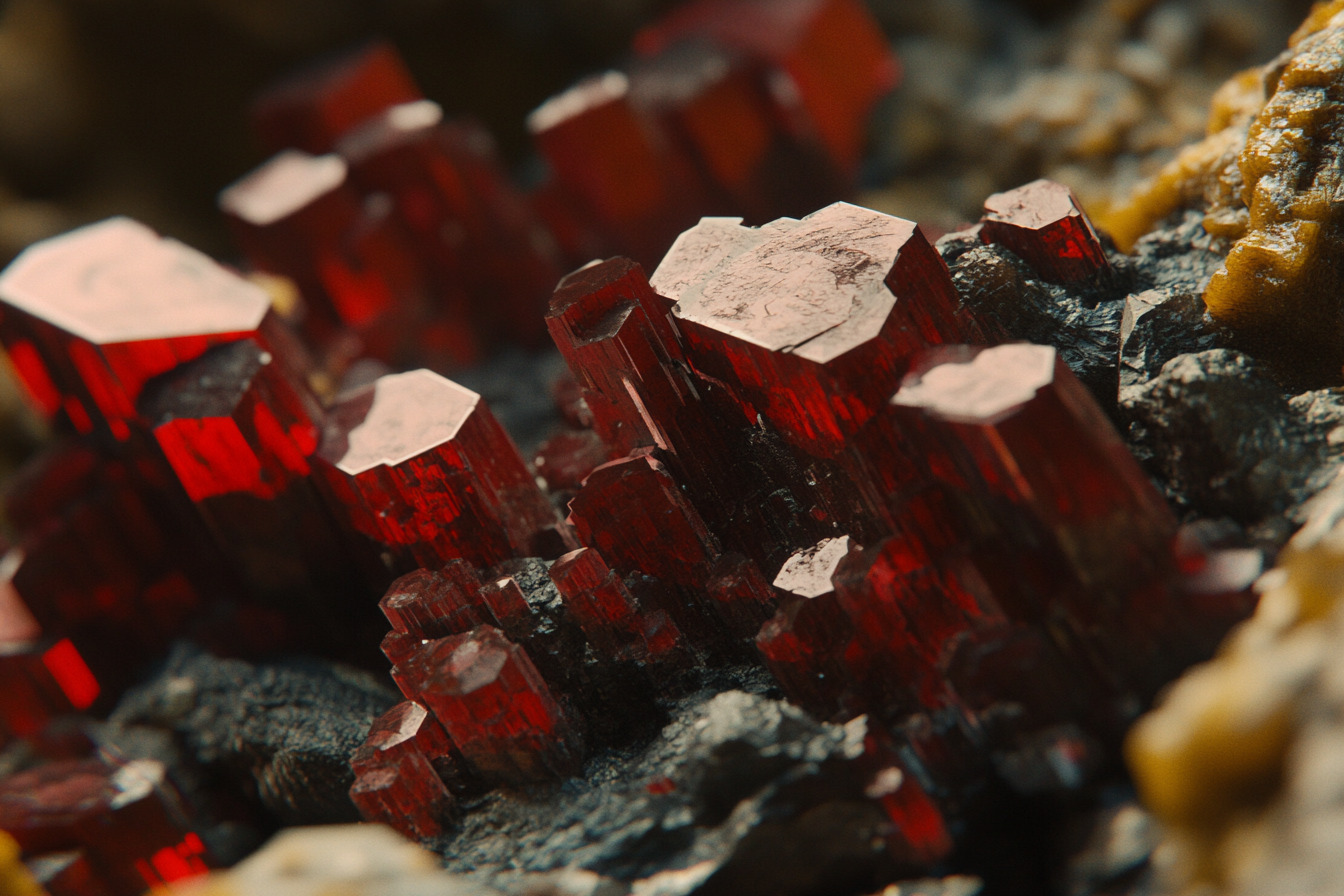 Vanadium
Vanadium is a silvery-gray, ductile, and malleable metal with the symbol V and atomic number 23. It is known for its excellent corrosion resistance and strength at high temperature...
Vanadium is a silvery-gray, ductile, and malleable metal with the symbol V and atomic number 23. It is known for its excellent corrosion resistance and strength at high temperatures. Vanadium is not found in a free state in nature, but as compounds in minerals such as vanadinite and carnotite, and in iron ore and sedimentary rocks.
Primary uses of vanadium include the production of steel alloys, where it enhances strength, toughness, and heat resistance. It is also used in the manufacturing of batteries, particularly vanadium redox flow batteries for large-scale energy storage.
Vanadium production involves mining, usually as vanadium pentoxide (V2O5), followed by reduction to produce vanadium trioxide (V2O3), vanadium dioxide (VO2), high-purity vanadium, or ferrovanadium. This process can be energy-intensive and produces significant carbon dioxide, making efficiency and sustainability in vanadium production an active area of research.
Historically, vanadium was discovered in 1801 by Andres Manuel del Rio and rediscovered in 1830 by Nils Gabriel Sefström, who named it after the Scandinavian goddess of beauty and fertility, Vanadís. Initially used as a colorant in glass and ceramics, vanadium's potential as a strong, lightweight metal was realized in the early 20th century. Today, it is primarily used in high-strength, low-alloy steels, titanium alloys, and other metal alloys, as well as in batteries and as a catalyst in sulfuric acid production.
Early vanadium production came from minerals like vanadinite and carnotite, but these sources proved uneconomical. The induction melting process, which melts a mixture of vanadium-containing ore and reducing agents, is the most common production method today. Most of the world's vanadium is now produced as a byproduct of iron, titanium, and uranium mining.
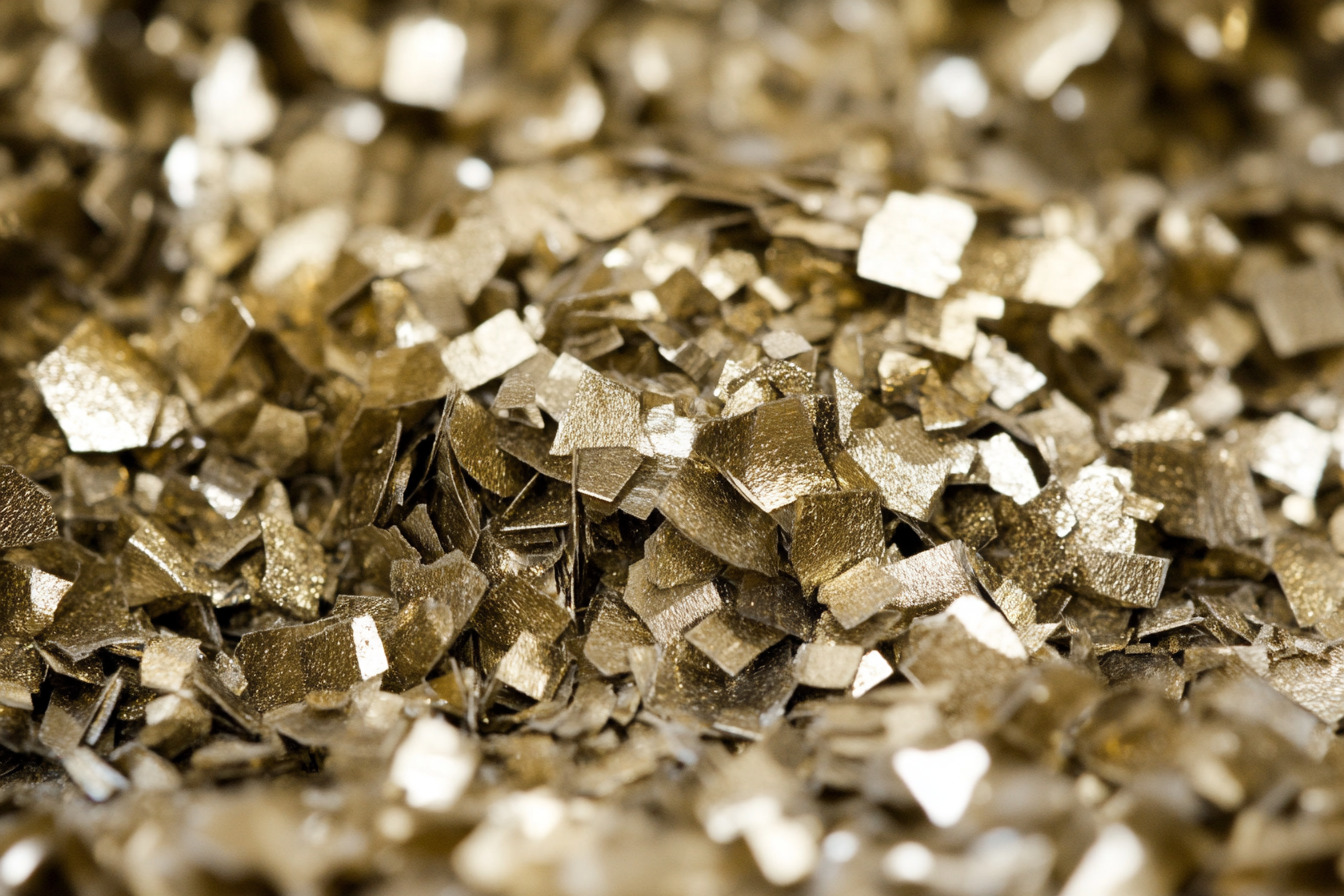 Vermiculite
Vermiculite is a naturally occurring hydrous phyllosilicate mineral, similar to mica, that has unique exfoliation properties when heated. It was first discovered in the early 19th...
Vermiculite is a naturally occurring hydrous phyllosilicate mineral, similar to mica, that has unique exfoliation properties when heated. It was first discovered in the early 19th century near Lövhulta, Sweden. Vermiculite has a wide range of applications, with primary use centered around its exceptional heat resistance and insulation properties. Initially, it was used as a packing material, in acoustical plasters, and later during World War II for heat insulation in munitions and aircraft.
Historically, Vermiculite's production involved mining, crushing, milling, and heating the mineral to high temperatures (around 1000°C) for exfoliation, resulting in lightweight, fluffy, plate-like structures. The majority of vermiculite is used in horticulture as a soil additive to improve water retention, aeration, and nutrient availability for plants. Additionally, it is used in construction as an insulation and fireproofing material, and in industrial applications as a heat resistance agent, absorbent, and packaging material.
Health concerns emerged when asbestos contamination was discovered in some vermiculite deposits, notably the one in Libby, Montana, which accounted for about 70% of the world's vermiculite production. As asbestos-related health issues came to light, regulations pushed for the removal of asbestos from many products, and the usage of vermiculite declined in some applications. Nevertheless, vermiculite remains a valuable commodity in various industries, including horticulture, construction, and as a component in specialty chemicals.
Modern production methods for vermiculite have evolved to address technological advancements and environmental concerns, with exfoliation typically taking place at approximately 850-1000°C, causing the flakes to expand up to 30 times their original size.
 Wollastonite
Wollastonite is a rare, white, granular mineral composed of calcium silicate (CaSiO3) and primarily found in metamorphic rocks like marble and skarn. It forms during the metamorphi...
Wollastonite is a rare, white, granular mineral composed of calcium silicate (CaSiO3) and primarily found in metamorphic rocks like marble and skarn. It forms during the metamorphism of limestone in the presence of silica-rich fluids. Known for its unique properties, including high melting point, hardness, and resistance to heat and chemicals, wollastonite has various industrial and commercial uses.
Wollastonite serves as a reinforcing filler in plastics, paints, and coatings, improving strength, durability, and resistance to heat and chemicals. It is also used in welding rods, ceramics, glass, and horticulture as a soil amendment. The production of wollastonite involves mining and beneficiation, including crushing, sorting, grinding, and purification to create a high-quality powder for industrial and commercial applications.
The mineral has been known for centuries but only recently recognized for its unique properties and uses. First described in 1813, wollastonite was named after the British chemist William Hyde Wollaston, who identified its potential as a refractory material due to its high melting point and resistance to heat. It was not until the 1950s that wollastonite was produced and used commercially, with the first mine established in France in 1954.
Naturally occurring as calcium metasilicate (CaSiO3), wollastonite has a needle-like crystal structure, is non-toxic, chemically inert, and thermally stable, with a high melting point and low coefficient of thermal expansion, making it suitable for high-temperature applications, such as refractories, ceramics, and metallurgy. Additionally, wollastonite is used as a functional filler in paints, coatings, and inks, and as a reinforcing agent in plastics and rubber.
 Zeolites
Zeolites are a group of naturally occurring or synthetically produced minerals comprised of silicon, aluminum, and oxygen. They are renowned for their microporous structure, which...
Zeolites are a group of naturally occurring or synthetically produced minerals comprised of silicon, aluminum, and oxygen. They are renowned for their microporous structure, which provides them with a high surface area and the ability to absorb and adsorb molecules. The natural zeolites originate from volcanic rocks and ash, formed via hydrothermal alteration, while synthetic zeolites are produced through a chemical reaction involving silica, alumina, and alkali.
Zeolites have a diverse range of primary uses. In the industrial sector, they serve as catalysts in chemical reactions, contribute to water softening and purification, and are employed for adsorbing gases in air-conditioning systems and refrigerators. In the agricultural industry, zeolites act as soil amendments and animal feed additives, owing to their ability to absorb and release water and nutrients. Furthermore, zeolites hold potential applications in nuclear energy, where they can be utilized as a safe and efficient method for storing and disposing of radioactive waste.
The synthesis of zeolites involves a series of chemical reactions. A solution of silica and alumina is mixed with an alkali, such as sodium hydroxide, and then heated to promote crystallization, resulting in the formation of zeolite crystals. The size and shape of the crystals can be controlled through the use of templates or by varying the reaction conditions. Following crystallization, the zeolites are washed, dried, and activated through calcination, which removes any remaining impurities.
Zeolites have been known for centuries, with the first documented discovery of a natural zeolite attributed to the Swedish mineralogist Axel Fredrik Cronstedt in 1756. In the 18th century, scientists began to recognize the ability of zeolites to act as molecular sieves, adsorbing and desorbing water and other molecules based on their size and shape. This property led to the development of various applications in the chemical industry, such as the separation and purification of gases, liquids, and chemicals. In the mid-20th century, the synthetic production of zeolites started, which opened up new possibilities for tailoring their structure, composition, and properties to specific applications. Today, there are over 200
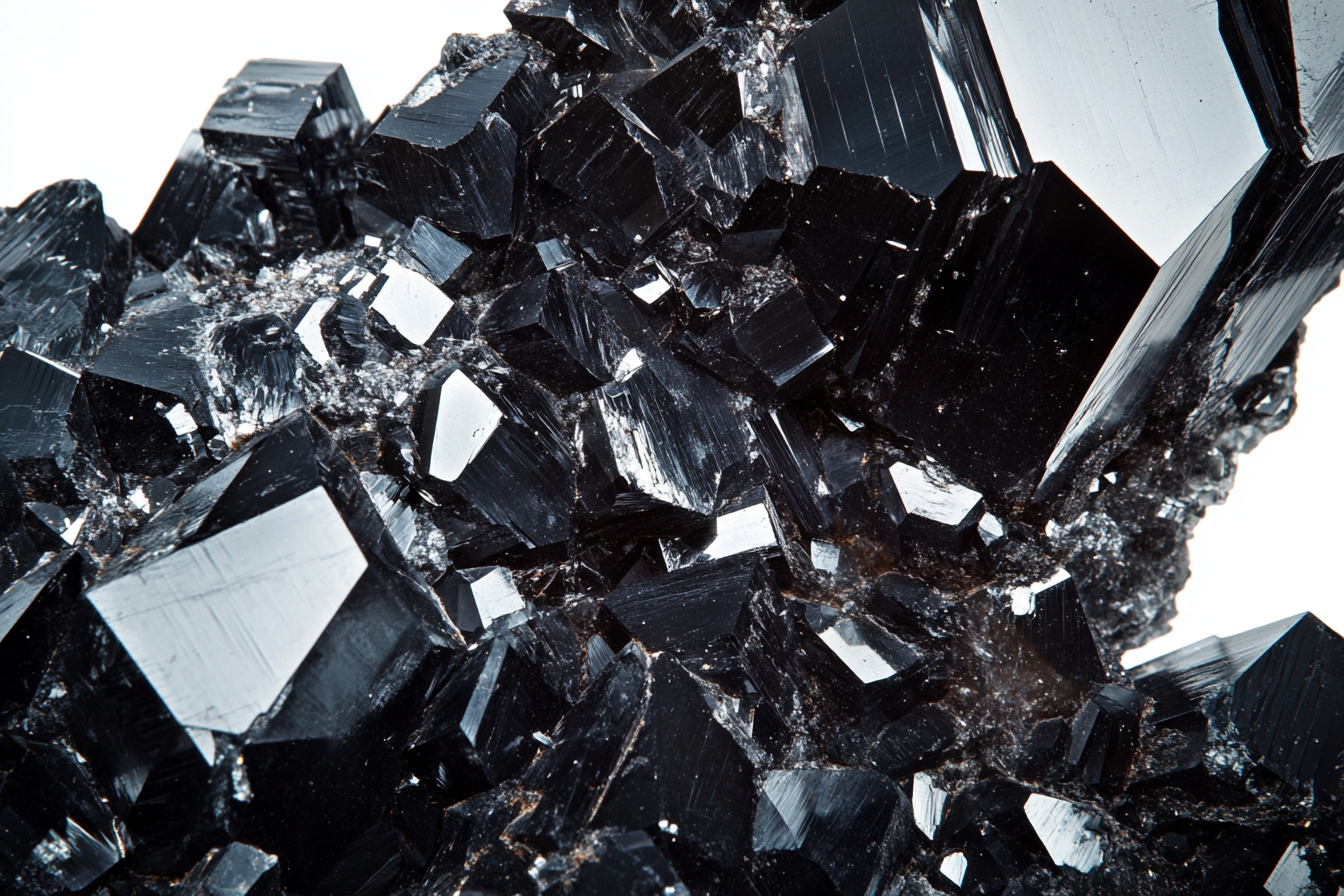 Zinc
Zinc
Zinc is a bluish-white, lustrous metal that is essential for human health and widely used in various industries. It is the 24th most abundant element in the Earth's crust, found in...
Zinc is a bluish-white, lustrous metal that is essential for human health and widely used in various industries. It is the 24th most abundant element in the Earth's crust, found in association with other base metals like lead and copper. Historically, zinc has been used as early as the 11th century BC by the ancient Chinese to make brass. Its distinct identity as a element was not recognized until the 17th century by European metallurgists.
Zinc is obtained from ores such as sphalerite, smithsonite, and zinc blende through mining and beneficiation processes. It is primarily used in galvanization, protecting iron or steel from rust and corrosion. Other applications include manufacturing brass and bronze, batteries, paints, rubber, plastics, pharmaceuticals, dietary supplements, photovoltaic cells, solders, alloys, and seamless tubing.
Zinc production has evolved from small-scale distillation to large-scale industrial processes such as electrolytic refining and the Imperial Smelting Process. Its role in the global economy has been significant in automobile manufacturing, electrical equipment production, and construction, driven by the demand for zinc-coated steel products, brass, and bronze.
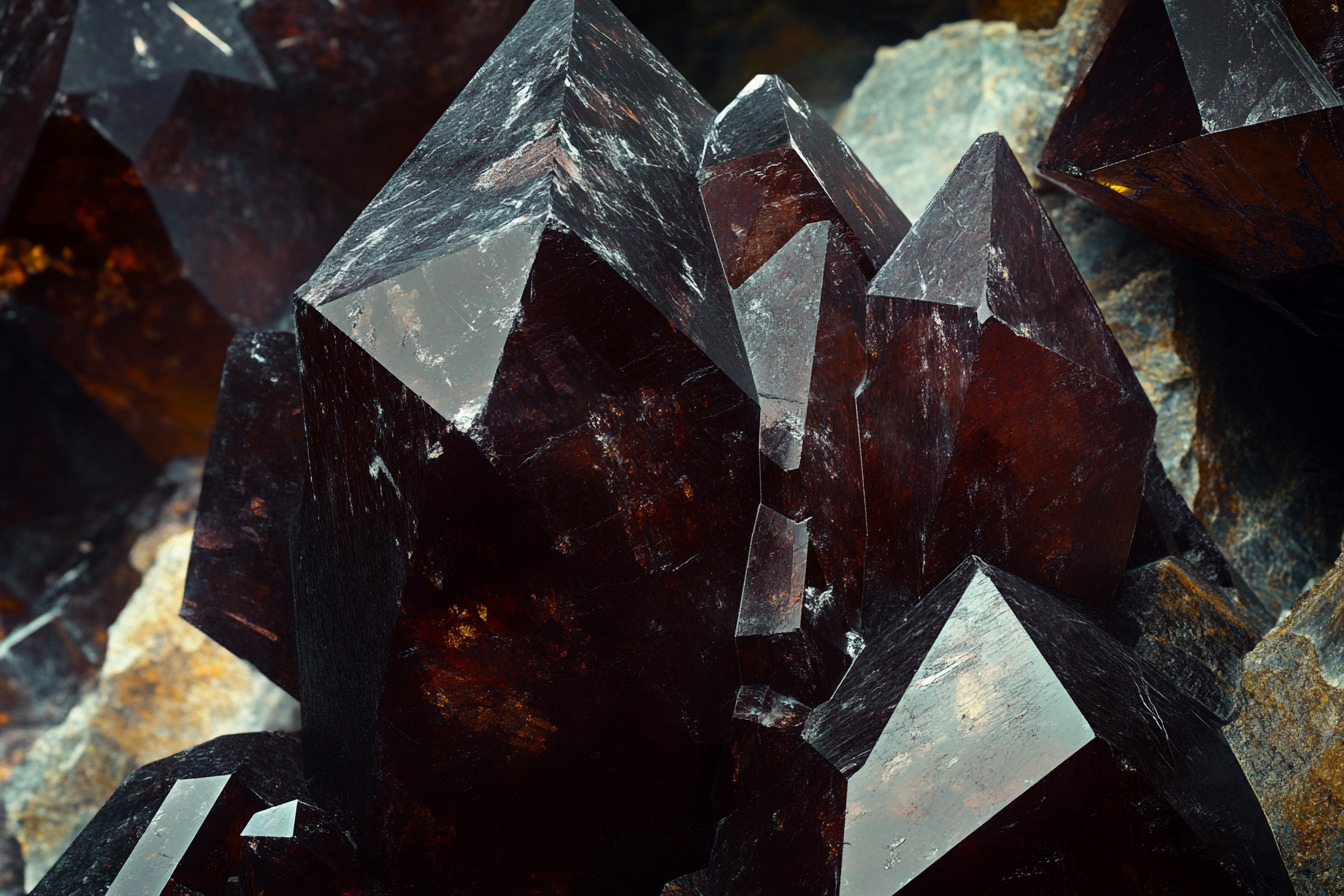 Zirconium
Zirconium is a grayish-white, lustrous, and heavy metal that is highly corrosion-resistant. It is most commonly found in the minerals zircon and baddeleyite and is derived from the...
Zirconium is a grayish-white, lustrous, and heavy metal that is highly corrosion-resistant. It is most commonly found in the minerals zircon and baddeleyite and is derived from these minerals during the mining and refining of heavy mineral sands. With a symbol of Zr and atomic number 40, zirconium is a transition metal that is similar to hafnium and titanium.
Zirconium was discovered in 1789 by the German chemist Martin Heinrich Klaproth in a mineral called zircon. Its oxide was first isolated by Klaproth but was not until 1824 that the Swedish chemist Jöns Jacob Berzelius produced pure zirconium through the reduction of its oxide with potassium.
Zirconium has various uses, including the production of cladding for nuclear reactors and as a component in alloys for surgical instruments and dental implants. It is also used in the manufacturing of catalytic converters, pyrotechnic devices, fireworks, spark plugs, glass, and jewelry. In the early 20th century, zirconium was primarily used as an opacifier in the ceramics industry and as a getter in vacuum tubes.
Zirconium is extracted from the minerals zircon and baddeleyite through a series of processes, including heat treatment and chemical reactions. Today, most zirconium is produced by heating zircon sand in a chlorine-rich atmosphere to form zirconium tetrachloride, which is then reduced with magnesium or sodium metal to yield pure zirconium.