Regulatory Change for Arsenic in United States
The U.S. FDA issued draft guidance proposing a limit of 100 parts per billion for inorganic arsenic in infant rice cereal, aligning U.S. standards with the EU and potentially reducing arsenic exposure.
Commodity
Arsenic is a naturally occurring element found in the Earth's crust, originating from the mineral deposits formed from volcanic activity and the erosion of rocks. It is a semi-metal, appearing gray, silver, or white in its pure form. Though not a metal, arsenic is often referred to as a metalloid due to its properties. Arsenic has a wide range of applications, primarily in the wood preservation, pesticide production,...
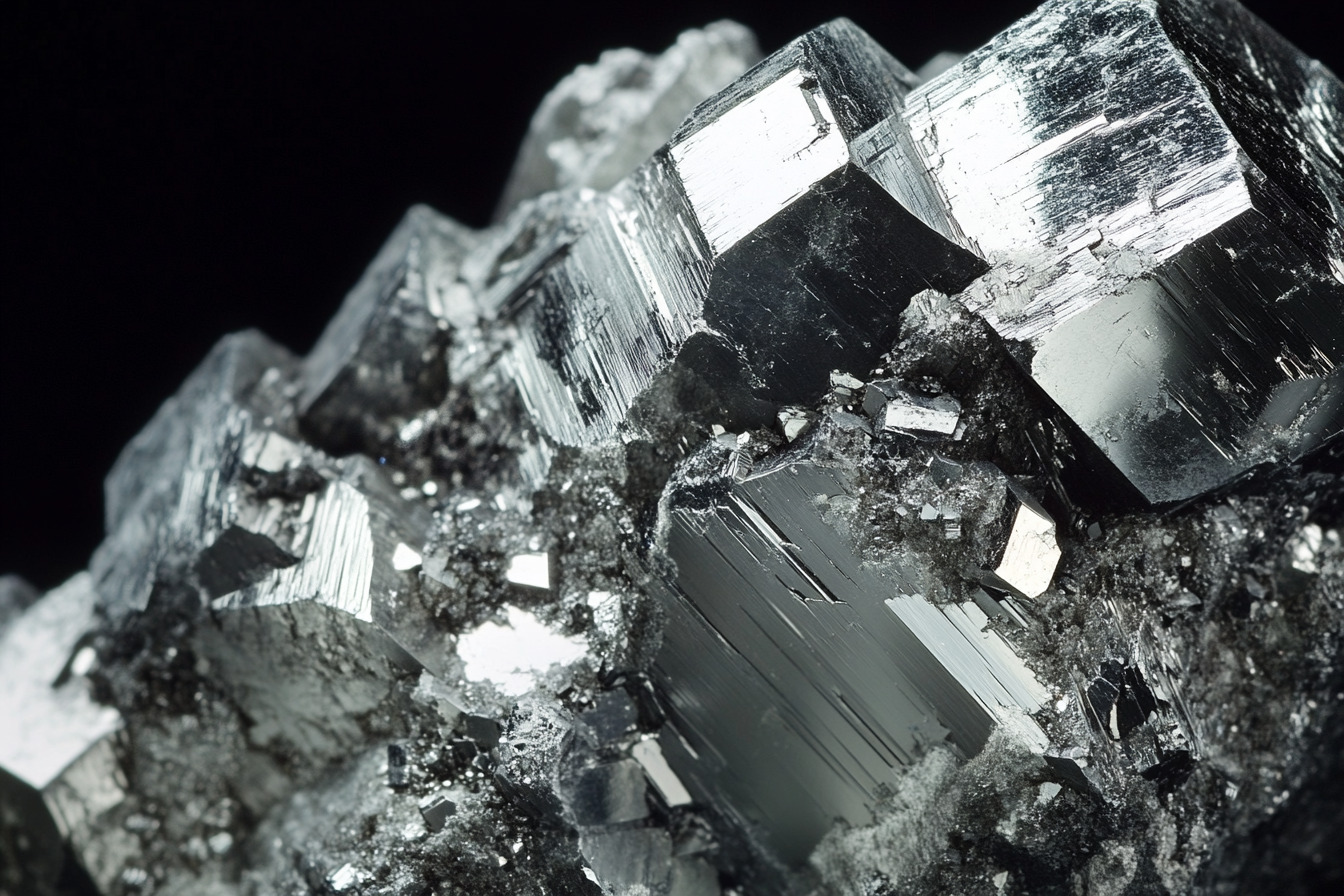
Arsenic is a naturally occurring element found in the Earth's crust, originating from the mineral deposits formed from volcanic activity and the erosion of rocks. It is a semi-metal, appearing gray, silver, or white in its pure form. Though not a metal, arsenic is often referred to as a metalloid due to its properties.
Arsenic has a wide range of applications, primarily in the wood preservation, pesticide production, and semiconductor industries. Historically, it has also been used in medicines and as a poison. However, due to its high toxicity, many uses have been discontinued or heavily regulated.
Arsenic is typically extracted from its ores, such as arsenopyrite, through a process called roasting. The ore is heated in the presence of air, converting the arsenic into a gaseous form, which is then captured and condensed back into a solid state. Another extraction method involves smelting, where the ore is heated with other materials, such as copper or lead, and the arsenic is separated as a byproduct.
Production
Arsenic Trioxide
Arsenic trioxide is a naturally occurring white crystalline solid used primarily in the medical field as a treatment for certain types of cancer, particularly acute promyelocytic leukemia.
Trade
Arsenic
Arsenic is a toxic semi-metal mined as a by-product of copper, gold, and lead ores, used in various industries including pesticides, glass manufacture, semiconductors, leather treatment, and medicine.
Market intelligence
The U.S. FDA issued draft guidance proposing a limit of 100 parts per billion for inorganic arsenic in infant rice cereal, aligning U.S. standards with the EU and potentially reducing arsenic exposure.
The FDA proposed an action level of 10 ppb for inorganic arsenic in apple juice, establishing new industry guidance that could affect arsenic usage in food processing.
The FDA released analytical results of rice samples showing elevated arsenic levels, prompting regulatory attention and potential future limits on arsenic in food products.
EPA issued the Mercury and Air Toxics Standards (MATS) to limit arsenic emissions from coal‑ and oil‑fired power plants.
FDA released results of arsenic testing in apple juice, potentially leading to new guidance on allowable levels.
EPA hosted a workshop with MIT and the National Center for Electronics Recycling to improve data on e‑waste exports containing arsenic.
BacTech Environmental Corp. received a contract to remediate a stockpile of arsenopyrite concentrate in Snow Lake, Manitoba.
Molycorp Inc. launched a rare‑earth‑based treatment technology capable of removing arsenic from water.
The U.S. wood‑preserving industry voluntarily stopped using arsenic‑containing CCA for decks and outdoor residential wood by the end of 2003, reducing demand for arsenic trioxide.
EPA commenced a demonstration program (July 2003–July 2011) testing arsenic removal technologies in small water systems.
Wood preservative industry voluntarily eliminated CCA as a wood preservative for certain products, reducing demand for arsenic trioxide.
EPA announced a research and development initiative for cost‑effective arsenic removal technologies for small water systems.
No events match the selected year.