1 May 2024
Processing Startup for Iron in United States
U.S. Steel Corp. began production of direct‑reduction grade iron ore pellets at the Keetac Mine in Minnesota, increasing high‑grade pellet output for steelmaking.
Commodity
Iron is a valuable commodity that has been used for thousands of years due to its strength, durability, and versatility. Its origin can be traced back to the early beginnings of human civilization, where it was first discovered and extracted from iron ores, typically found in the earth's crust. The primary uses of iron are vast and varied, encompassing areas such as construction, infrastructure, manufacturing, and en...
Iron is a valuable commodity that has been used for thousands of years due to its strength, durability, and versatility. Its origin can be traced back to the early beginnings of human civilization, where it was first discovered and extracted from iron ores, typically found in the earth's crust. The primary uses of iron are vast and varied, encompassing areas such as construction, infrastructure, manufacturing, and engineering. It is a key component in steel production, which is used to create a wide range of products, including vehicles, appliances, and construction materials. Iron is produced through a process called smelting, where iron ore is heated in a blast furnace along with coke (a fuel made from coal) and limestone. The heat causes the iron to separate from the ore and combine with other elements, producing pig iron, which is then further refined to create different types of iron and steel. The abundance, utility, and recyclability of iron make it an essential commodity in modern society.
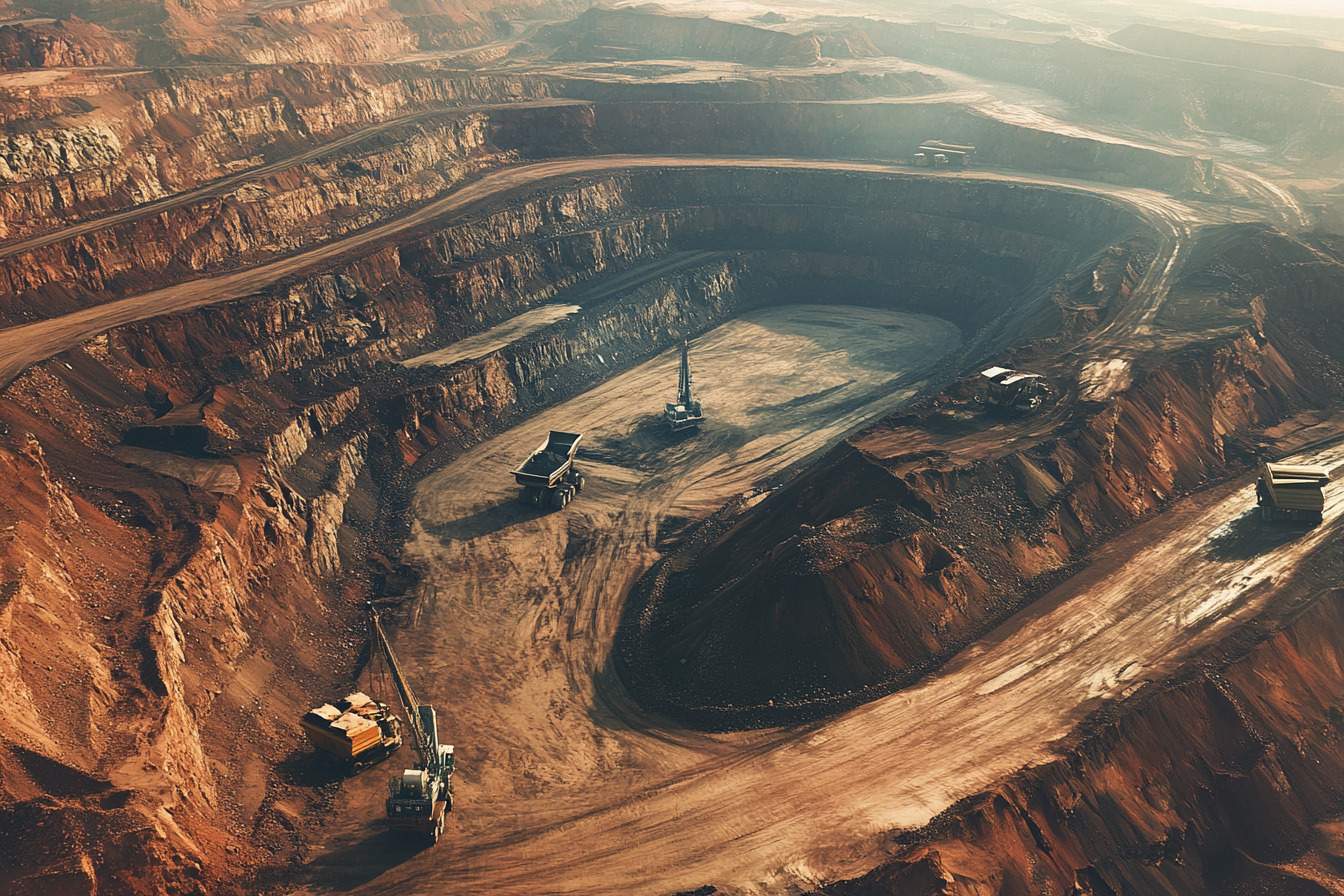
 Production
Produced Pig Iron
Production
Produced Pig Iron
Iron ore is a vital mineral commodity primarily used for steel production in various industries such as construction, automotive, and energy.
Iron ore is a vital mineral commodity primarily used for steel production in various industries such as construction, automotive, and energy.
Trade
Steel Powder
Iron is a naturally occurring element that serves as a primary commodity in the global market, commonly traded in various forms such as iron ore, pig iron, scrap iron, and alloy steel powders used to manufacture steel wi...
Iron is a naturally occurring element that serves as a primary commodity in the global market, commonly traded in various forms such as iron ore, pig iron, scrap iron, and alloy steel powders used to manufacture steel with specific properties.
Trade
Iron Alloys
Iron is a crucial trade commodity used primarily for producing steel and other metal alloys through smelting iron ore with coke and limestone in a blast furnace or electric arc furnace to create various grades of iron, s...
Iron is a crucial trade commodity used primarily for producing steel and other metal alloys through smelting iron ore with coke and limestone in a blast furnace or electric arc furnace to create various grades of iron, steel, and ferroalloys.
Trade
Reduced Iron
Iron is a crucial trade commodity used primarily to produce steel through direct reduction of iron ore using methods such as the Midrex process.
Iron is a crucial trade commodity used primarily to produce steel through direct reduction of iron ore using methods such as the Midrex process.
Trade
Scrap Steel Ingot
Remelting scrap ingots are high-quality iron products produced by recycling scrap metal from various industries through a remelting process to create consistent and durable material used in industrial applications.
Remelting scrap ingots are high-quality iron products produced by recycling scrap metal from various industries through a remelting process to create consistent and durable material used in industrial applications.
Trade
Iron Ore
Iron with a minimum purity of 99.94% is a highly refined trade commodity primarily produced from smelted iron ore used to manufacture steel and other metal alloys.
Iron with a minimum purity of 99.94% is a highly refined trade commodity primarily produced from smelted iron ore used to manufacture steel and other metal alloys.
Trade
Iron Scrap
Iron is a crucial trade commodity derived from iron ore and recycled materials, used in various industrial products due to its durability, malleability, and abundance.
Iron is a crucial trade commodity derived from iron ore and recycled materials, used in various industrial products due to its durability, malleability, and abundance.
Trade
Non-Stainless Steel Scrap
Iron in the form of ferrous waste and scrap, excluding stainless steel alloy, is a recycled metal commodity used as an input for manufacturing new steel and iron products through remelting processes.
Iron in the form of ferrous waste and scrap, excluding stainless steel alloy, is a recycled metal commodity used as an input for manufacturing new steel and iron products through remelting processes.
Trade
Cast Iron Scrap
Cast iron scrap is raw material used in iron and steel manufacturing, sourced from various industries and products that are melted and processed into new iron, steel, and alloys.
Cast iron scrap is raw material used in iron and steel manufacturing, sourced from various industries and products that are melted and processed into new iron, steel, and alloys.
Trade
Stainless Steel Scrap
Ferrous waste and scrap from stainless steel products is recycled material that contains iron, carbon, and at least 10.5% chromium, primarily obtained from developed countries and used to manufacture new stainless steel...
Ferrous waste and scrap from stainless steel products is recycled material that contains iron, carbon, and at least 10.5% chromium, primarily obtained from developed countries and used to manufacture new stainless steel products.
Trade
Tinned Iron Scrap
Ferrous waste and scrap is a recyclable material consisting of iron and steel residues generated from industrial processes that is melted down to produce new steel products.
Ferrous waste and scrap is a recyclable material consisting of iron and steel residues generated from industrial processes that is melted down to produce new steel products.
Trade
Iron Waste
Iron, primarily derived from waste and scrap materials generated during industrial processes such as metal fabrication and automobile production, is a crucial input material in the global steel industry.
Iron, primarily derived from waste and scrap materials generated during industrial processes such as metal fabrication and automobile production, is a crucial input material in the global steel industry.
Trade
Iron Ingots
Iron or non-alloy steel ingots are crucial raw materials produced from iron ore through a blast furnace process, widely used in various industries including construction, manufacturing, automotive, and engineering for pr...
Iron or non-alloy steel ingots are crucial raw materials produced from iron ore through a blast furnace process, widely used in various industries including construction, manufacturing, automotive, and engineering for producing steel products.
Trade
Iron/Steel Products
Pig iron or steel billets are primary forms of iron or non-alloy steel used in construction, manufacturing, and engineering, derived from iron ore through refining processes such as calcining, sintering, and smelting.
Pig iron or steel billets are primary forms of iron or non-alloy steel used in construction, manufacturing, and engineering, derived from iron ore through refining processes such as calcining, sintering, and smelting.
Trade
Pig Iron
Iron is a vital trade commodity and crucial component in the production of steel, primarily used in construction, automobile manufacturing, infrastructure development, household appliances, industrial machinery, and tool...
Iron is a vital trade commodity and crucial component in the production of steel, primarily used in construction, automobile manufacturing, infrastructure development, household appliances, industrial machinery, and tools.
Trade
Pig Iron Powder
Iron is a vital trade commodity used primarily to produce steel, which is essential in construction, automotive, and mechanical engineering industries due to its strength, durability, and versatility.
Iron is a vital trade commodity used primarily to produce steel, which is essential in construction, automotive, and mechanical engineering industries due to its strength, durability, and versatility.
Trade
Agglomerated Iron Ore
Iron ore is a crucial trade commodity used primarily in producing iron and steel for various industries like construction, automotive, and heavy machinery.
Iron ore is a crucial trade commodity used primarily in producing iron and steel for various industries like construction, automotive, and heavy machinery.
Trade
Non-Agglomerated Iron Ore
Iron is a vital trade commodity derived from iron rocks and used globally for producing steel, cast iron, and metal alloys due to its versatility and strength.
Iron is a vital trade commodity derived from iron rocks and used globally for producing steel, cast iron, and metal alloys due to its versatility and strength.
Trade
Iron Oxides
Iron oxides and hydroxides are essential commodities used to produce iron and steel, serving various industries including construction, automotive, and manufacturing through applications such as pigments, catalysts, and...
Iron oxides and hydroxides are essential commodities used to produce iron and steel, serving various industries including construction, automotive, and manufacturing through applications such as pigments, catalysts, and ceramics.
Trade
Roasted Pyrites
Roasted iron pyrites are a mineral commodity obtained by heating iron sulfides in air to produce iron oxides that can be used as an iron source in the production of sulfuric acid.
Roasted iron pyrites are a mineral commodity obtained by heating iron sulfides in air to produce iron oxides that can be used as an iron source in the production of sulfuric acid.
Trade
Unroasted Pyrites
Iron pyrites is a naturally occurring mineral composed of iron and sulfur, often mistaken for gold due to its similar appearance.
Iron pyrites is a naturally occurring mineral composed of iron and sulfur, often mistaken for gold due to its similar appearance.
Trade
Low Phosphorous Pig Iron
Pig iron is a high-iron-content metal product with low phosphorus levels, primarily used in steel production and other metallic alloy manufacturing processes.
Pig iron is a high-iron-content metal product with low phosphorus levels, primarily used in steel production and other metallic alloy manufacturing processes.
Trade
High Phosphorous Pig Iron
High-phosphorus pig iron is a significant trade commodity made from iron ore that contains more than 0.5% phosphorus by weight, primarily used in producing cast iron and certain types of steel.
High-phosphorus pig iron is a significant trade commodity made from iron ore that contains more than 0.5% phosphorus by weight, primarily used in producing cast iron and certain types of steel.
Trade
Iron Slag
Iron is a significant trade commodity derived from iron ore through a manufacturing process involving coke and limestone, with its production concentrated in countries like China, Australia, and Brazil.
Iron is a significant trade commodity derived from iron ore through a manufacturing process involving coke and limestone, with its production concentrated in countries like China, Australia, and Brazil.
Trade
Iron Slag Granuales
Iron and steel slag, also known as slag sand, is a granulated by-product of the iron and steel manufacturing process with various industrial uses due to its unique chemical composition and angular particle shape.
Iron and steel slag, also known as slag sand, is a granulated by-product of the iron and steel manufacturing process with various industrial uses due to its unique chemical composition and angular particle shape.
Market intelligence
U.S. Steel Corp. began production of direct‑reduction grade iron ore pellets at the Keetac Mine in Minnesota, increasing high‑grade pellet output for steelmaking.
Seasonal closures of the Soo Locks, the primary Great Lakes shipping route for iron ore, disrupted U.S. production, shipments, and trade from January through May 2024.
Completion of a $150 million upgrade at U.S. Steel’s Keetac Mine in Minnesota expanded the plant’s capacity to produce direct‑reduction grade iron ore pellets.
Transformation of Hoover Color Corp. mine property into a park in Virginia, effectively closing the mine and ending iron ore extraction.
Lanxess expanded production of micronized iron oxide red pigments at its Krefeld-Uerdingen plant, increasing iron pigment output.
Closure of three Venator Materials PLC facilities in the United States, reducing domestic iron pigment production capacity.
Cleveland-Cliffs Inc. began construction of a 1.9‑Mt/yr hot‑briquetted iron plant at a Toledo, OH brownfield site, expanding domestic iron production capacity.
Tariff for iron, pig iron, or steel granules (item 7205.10.0000) was set to free for imports into the United States on 31 December 2017.
Essar Steel Minnesota filed for bankruptcy in 2016 while constructing a 7‑Mt/yr iron ore mine and pelletizing facility.
The Minnesota Executive Council reduced mineral royalty rates for iron ore mined on state lands by 19% through June 2016.
Rio Tinto sold its stake in the Simandou iron ore project in Guinea to Aluminum Corp. of China Ltd. in October 2016.
Magnetation LLC’s Grand Rapids, MN, iron ore processing facility was shut down after a bankruptcy court approval in October 2016.
No events match the selected year.