31 Dec 2037
Regulatory Change for Asbestos in United States
Final permitted use of asbestos in imported sheet gaskets is banned by year‑end 2037.
Commodity
Asbestos is a term used to describe a group of naturally occurring minerals that are composed of thin, microscopic fibers. These fibers are resistant to heat, fire, and chemicals, making asbestos a valuable commodity in various industries. Asbestos has been mined and used for centuries, with its peak production and demand occurring during the 20th century. The primary uses of asbestos include insulation, fireproofing...
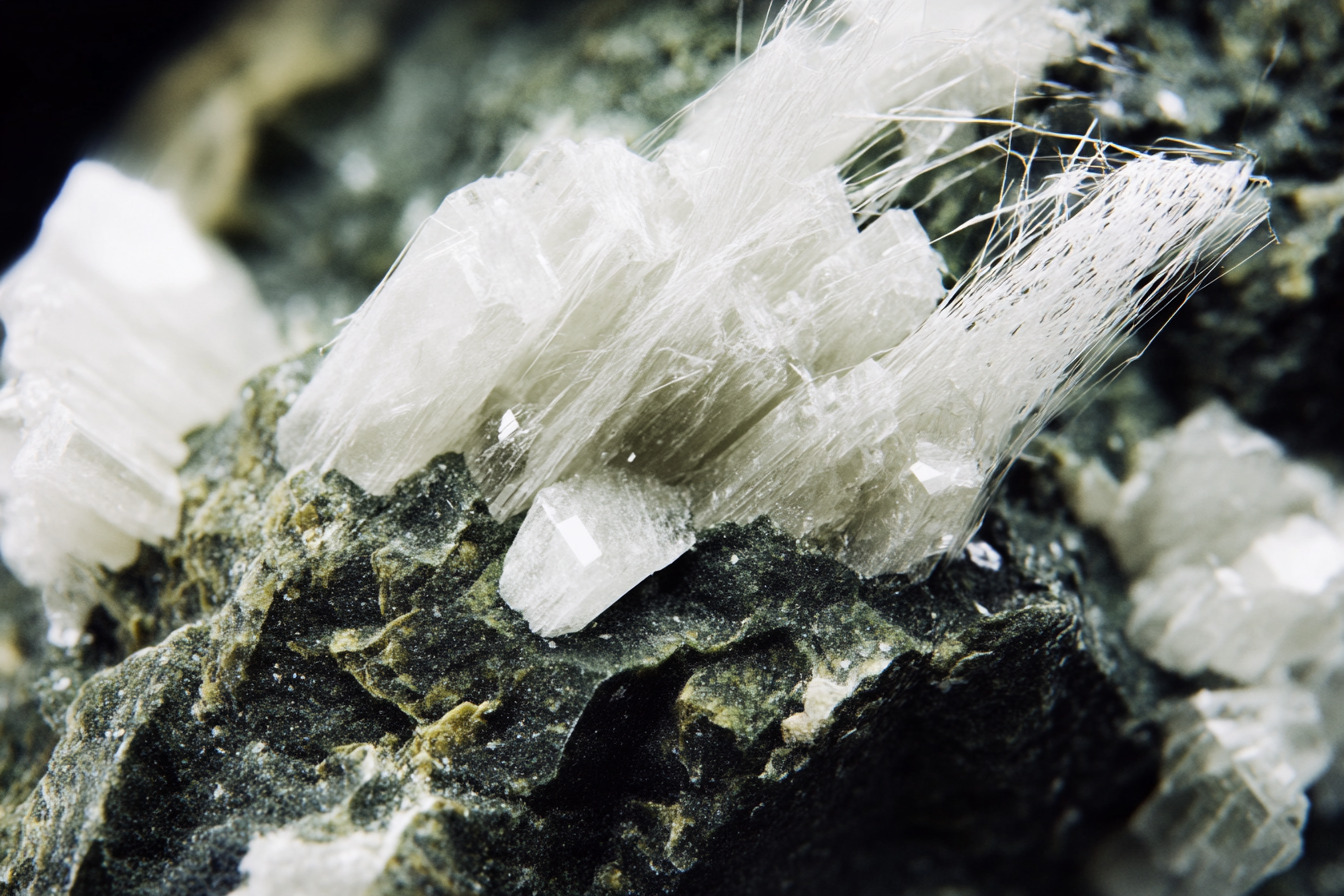
Asbestos is a term used to describe a group of naturally occurring minerals that are composed of thin, microscopic fibers. These fibers are resistant to heat, fire, and chemicals, making asbestos a valuable commodity in various industries. Asbestos has been mined and used for centuries, with its peak production and demand occurring during the 20th century. The primary uses of asbestos include insulation, fireproofing, and sound absorption. It has also been used in a wide range of products such as ceiling tiles, roofing shingles, textured paints, and automotive brake linings. Asbestos is produced by mining and milling processes that separate the fibrous minerals from their naturally occurring rock formations. Despite its useful properties, asbestos has been linked to serious health issues, including lung cancer, mesothelioma, and asbestosis, which has led to its regulation and reduction in many countries.
 Production
Asbestos
Production
Asbestos
Asbestos is a naturally occurring mineral commodity composed of thin, durable, heat-resistant fibers found in volcanic rocks and soil, primarily used as an insulator and additive in construction materials, textiles, and...
Asbestos is a naturally occurring mineral commodity composed of thin, durable, heat-resistant fibers found in volcanic rocks and soil, primarily used as an insulator and additive in construction materials, textiles, and automotive components.
Trade
Asbestos
Asbestos is a naturally occurring mineral fiber with unique heat-resistant properties that has been mined for centuries but is now largely banned due to its association with serious health hazards.
Asbestos is a naturally occurring mineral fiber with unique heat-resistant properties that has been mined for centuries but is now largely banned due to its association with serious health hazards.
Market intelligence
Final permitted use of asbestos in imported sheet gaskets is banned by year‑end 2037.
EPA requires remaining chloralkali plants to stop using asbestos diaphragms by 2036.
EPA mandates chloralkali plants to transition from asbestos diaphragms to alternative materials by 2029.
State of Goias law sets a 5‑year deadline for suspension of asbestos mining and processing activities.
United States fully banned imports of asbestos fibers, restricting the commodity’s entry into the country.
Supreme Federal Court upheld a 2017 ruling declaring extraction, sale, and use of asbestos unconstitutional.
The EPA is expected to propose and finalize actions to address chrysotile risks by the end of 2022, potentially limiting its disposal, distribution, or use.
Dewatering of the King Mine shafts was completed in March 2020, enabling further expansion of asbestos extraction operations.
Ore processing at the Goiás-authorized site restarted in February 2020, marking the resumption of asbestos processing operations.
The U.S. Environmental Protection Agency issued the final risk evaluation report for chrysotile in 2020, setting the stage for potential restrictions on its use.
The State of Goiás passed a law in July 2019 authorizing asbestos extraction for export purposes, creating a new regulatory framework for the commodity.
The EPA issued a new use rule effective June 24, 2019 requiring approval for asbestos use, potentially restricting its application in industrial products.
No events match the selected year.