1 Dec 2023
Processing Startup for Lithium
Around 40 companies in Canada and the United States and 50 companies in Europe began lithium battery recycling operations in 2023, expanding global recycling capacity.
Commodity
Lithium is a soft, silvery-white metallic element that occurs in rock and mineral deposits worldwide. It's one of the lightest elements on the periodic table, with a low density and a melting point lower than any other solid element. Lithium's unique properties make it a crucial component in various industries. Its primary uses include the production of high-performance batteries for electric vehicles, smartphones, l...
Lithium is a soft, silvery-white metallic element that occurs in rock and mineral deposits worldwide. It's one of the lightest elements on the periodic table, with a low density and a melting point lower than any other solid element. Lithium's unique properties make it a crucial component in various industries. Its primary uses include the production of high-performance batteries for electric vehicles, smartphones, laptops, and other portable electronics. Lithium is also used in the manufacture of ceramics, glass, and air treatment systems.
Lithium is not found in its pure form in nature due to its high reactivity. Instead, it is extracted from mineral sources like spodumene, lepidolite, and petalite, as well as from brine deposits. The most common method for producing lithium is through the extraction of lithium from brine sources. In this process, lithium-rich brine is pumped from underground reservoirs and then evaporated in large, shallow ponds. As the water evaporates, lithium, along with other minerals, precipitates out of the solution and can be collected. The lithium is then chemically processed to produce a variety of lithium compounds, such as lithium carbonate and lithium hydroxide, which are used in various applications, including battery production.
 Production
Mined Lithium
Production
Mined Lithium
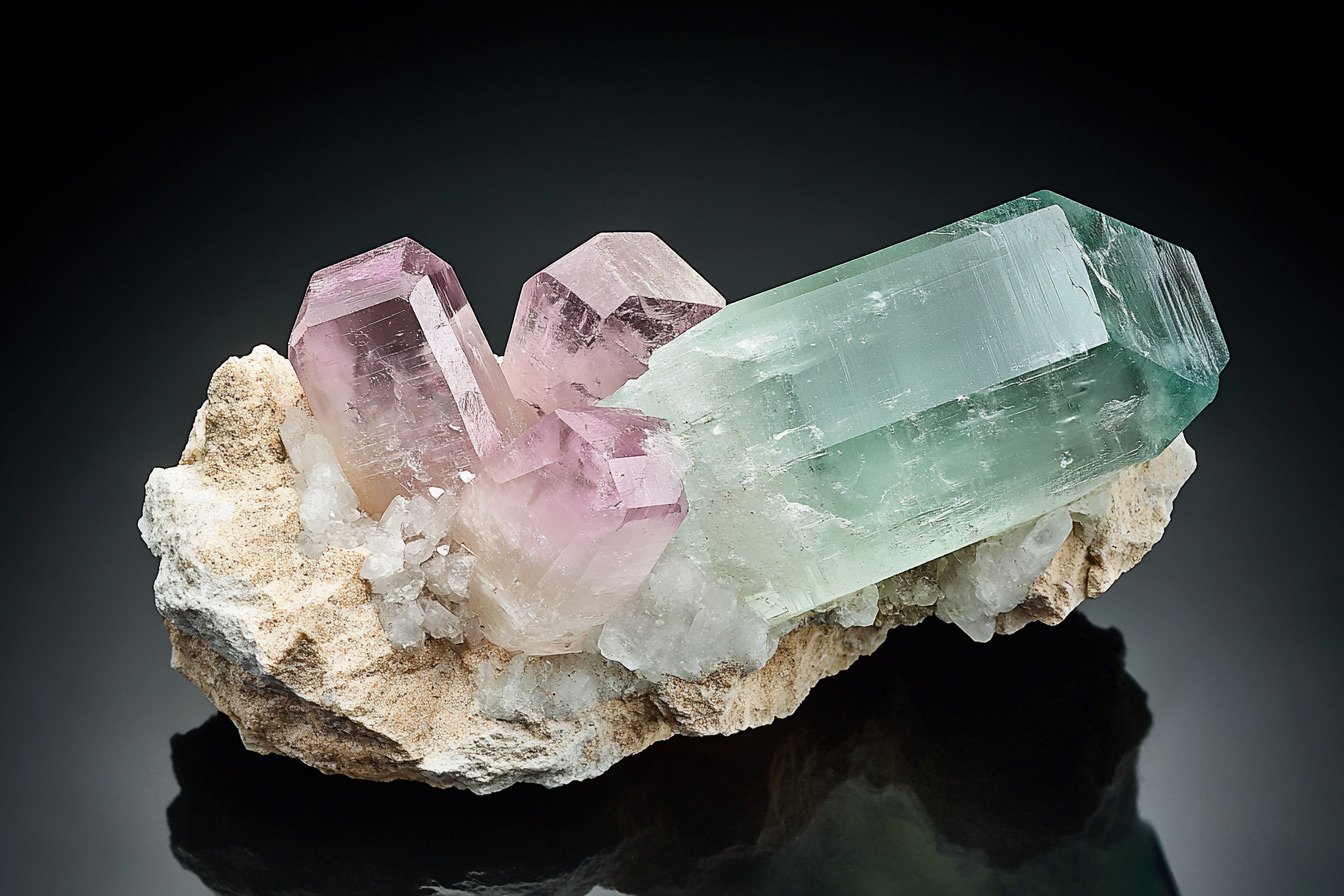
Lithium is a mineral commodity obtained through mining operations that extract it from ore or brine deposits for use in products like rechargeable batteries and industrial applications.
Lithium is a mineral commodity obtained through mining operations that extract it from ore or brine deposits for use in products like rechargeable batteries and industrial applications.
 Trade
Lithium Carbonate
Trade
Lithium Carbonate
Lithium carbonate is a versatile mineral commodity with multiple uses including battery production, glass and ceramic manufacturing, and pharmaceutical applications.
Lithium carbonate is a versatile mineral commodity with multiple uses including battery production, glass and ceramic manufacturing, and pharmaceutical applications.
 Trade
Lithium Oxides
Trade
Lithium Oxides
Lithium is a mineral commodity consisting of chemical compounds containing lithium combined with oxygen or hydrogen and oxygen, used mainly for battery and ceramic production.
Lithium is a mineral commodity consisting of chemical compounds containing lithium combined with oxygen or hydrogen and oxygen, used mainly for battery and ceramic production.
Market intelligence
Around 40 companies in Canada and the United States and 50 companies in Europe began lithium battery recycling operations in 2023, expanding global recycling capacity.
Lithium reserves for Argentina were revised to 3,600,000 metric tons for 2023 based on company and government reports.
Lithium reserves for Australia were revised to 56,200,000 metric tons for 2023 based on company and government reports.
Lithium reserves for Brazil were revised to 390,000 metric tons for 2023 based on company and government reports.
Lithium reserves for Canada were revised to 930,000 metric tons for 2023 based on company and government reports.
Lithium reserves for Chile were revised to 9,300,000 metric tons for 2023 based on company and government reports.
Lithium reserves for China were revised to 3,000,000 metric tons for 2023 based on company and government reports.
Lithium reserves for Portugal were revised to 60,000 metric tons for 2023 based on company and government reports.
Lithium reserves for the United States were revised to 1,100,000 metric tons for 2023 based on company and government reports.
Lithium reserves for Zimbabwe were revised to 310,000 metric tons for 2023 based on company and government reports.
Measured and indicated lithium resources worldwide were revised upwards due to new exploration data, increasing total resources to approximately 105 million tons.
Measured and indicated lithium resources in other countries were revised to 91 million tons in 2023 based on new exploration data.
No events match the selected year.