Cobalt is a silver-gray, hard, and brittle metallic element (symbol Co) with atomic number 27. It is primarily found in the earth's crust as an oxide mineral, often in association with nickel, copper, and iron. The Democratic Republic of Congo (DRC) is the world's largest producer, accounting for more than 60% of global production. Cobalt's primary use is in the production of various alloys due to its ability to incr...
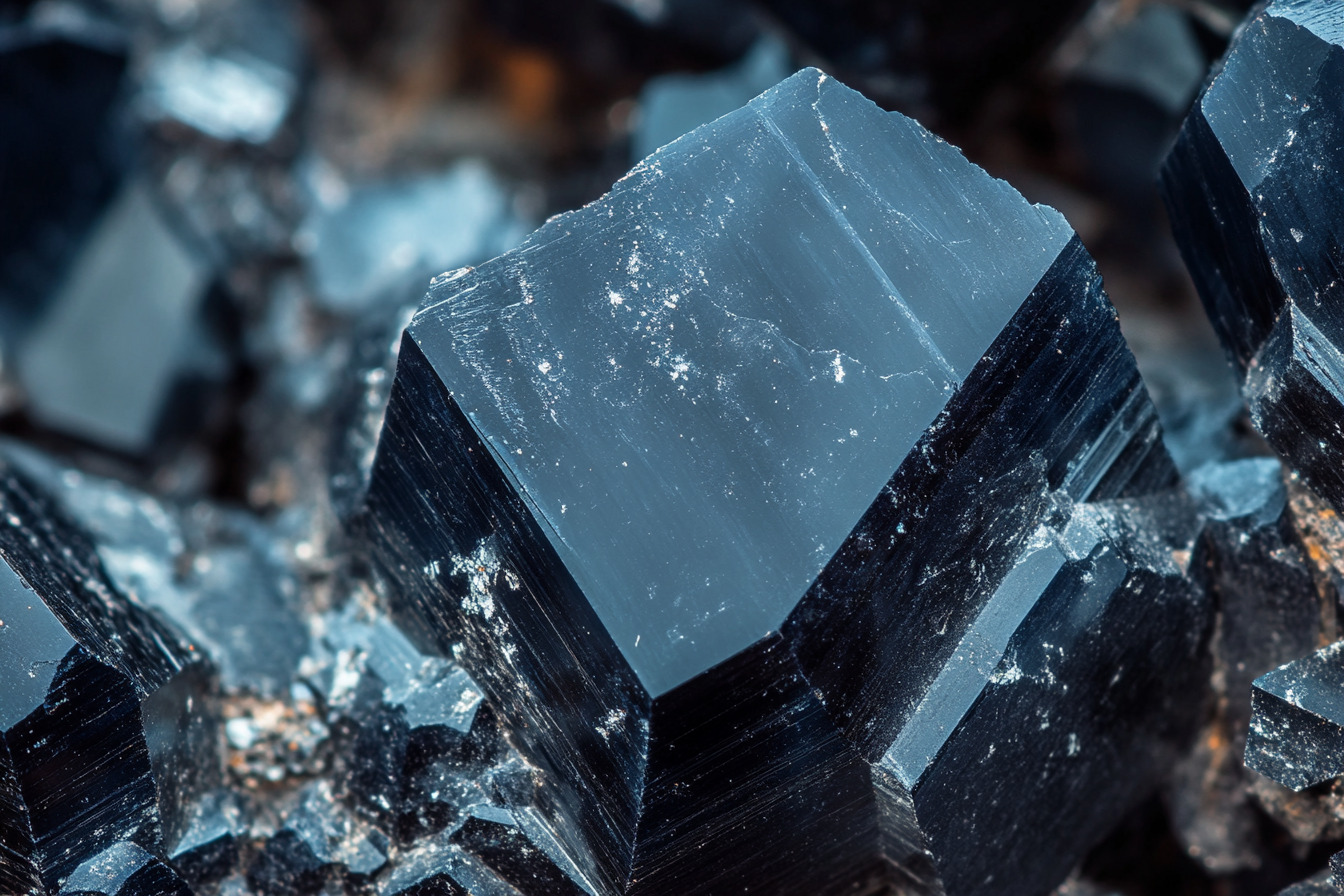
Cobalt is a silver-gray, hard, and brittle metallic element (symbol Co) with atomic number 27. It is primarily found in the earth's crust as an oxide mineral, often in association with nickel, copper, and iron. The Democratic Republic of Congo (DRC) is the world's largest producer, accounting for more than 60% of global production.
Cobalt's primary use is in the production of various alloys due to its ability to increase strength and hardness. These alloys are used in industries such as aerospace, chemical processing, and industrial engineering for products like gas turbine engines, stainless steel, and magnets.
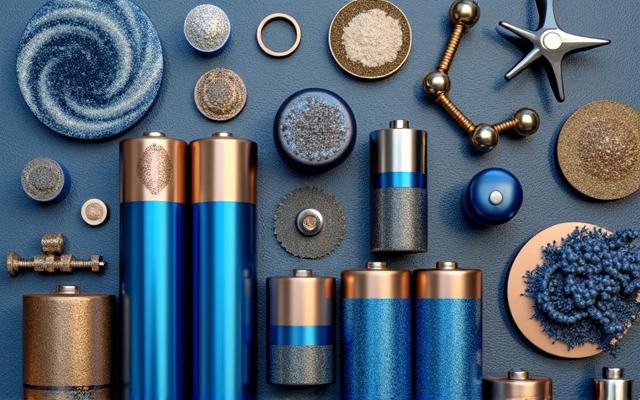
Cobalt is also a crucial component in lithium-ion rechargeable batteries, which are widely used in portable electronics, like smartphones and laptops, and in electric vehicles (EVs). This demand makes cobalt a vital part of the growing renewable energy sector.
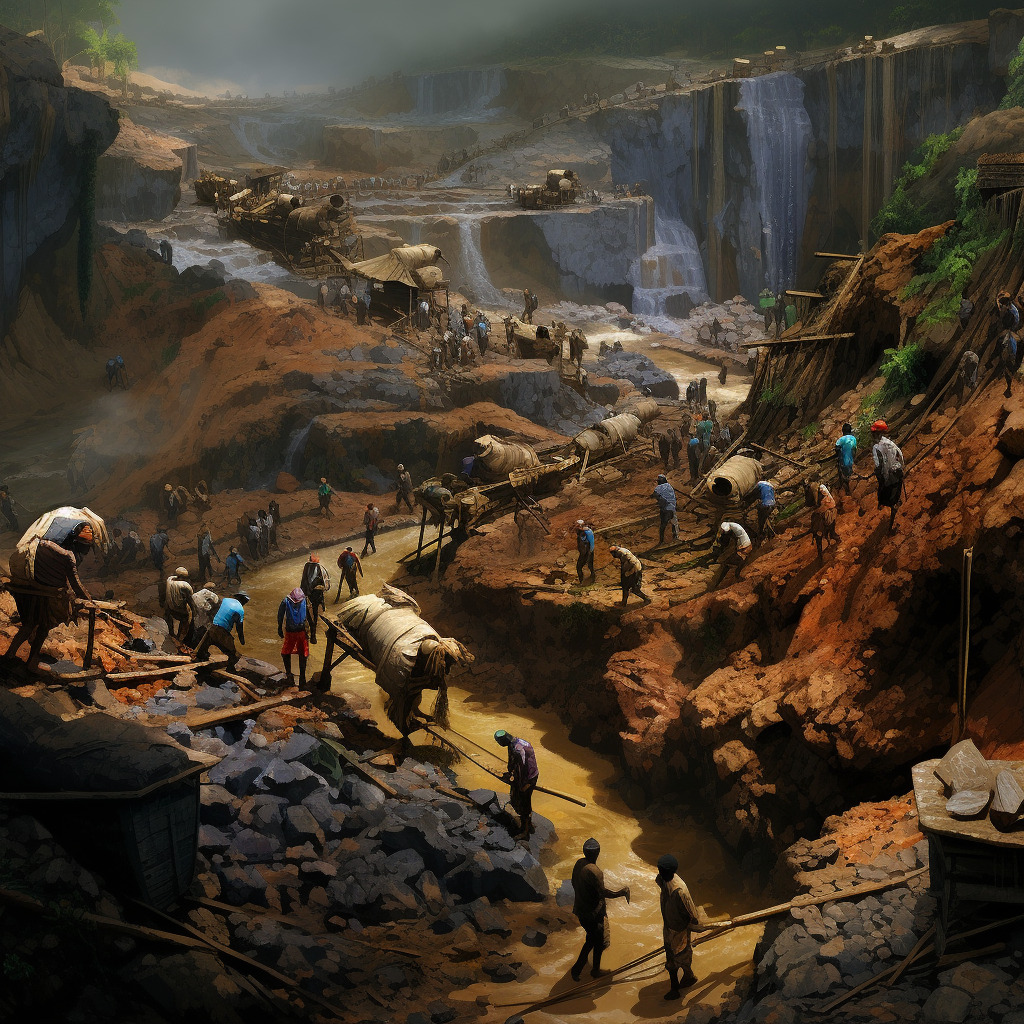
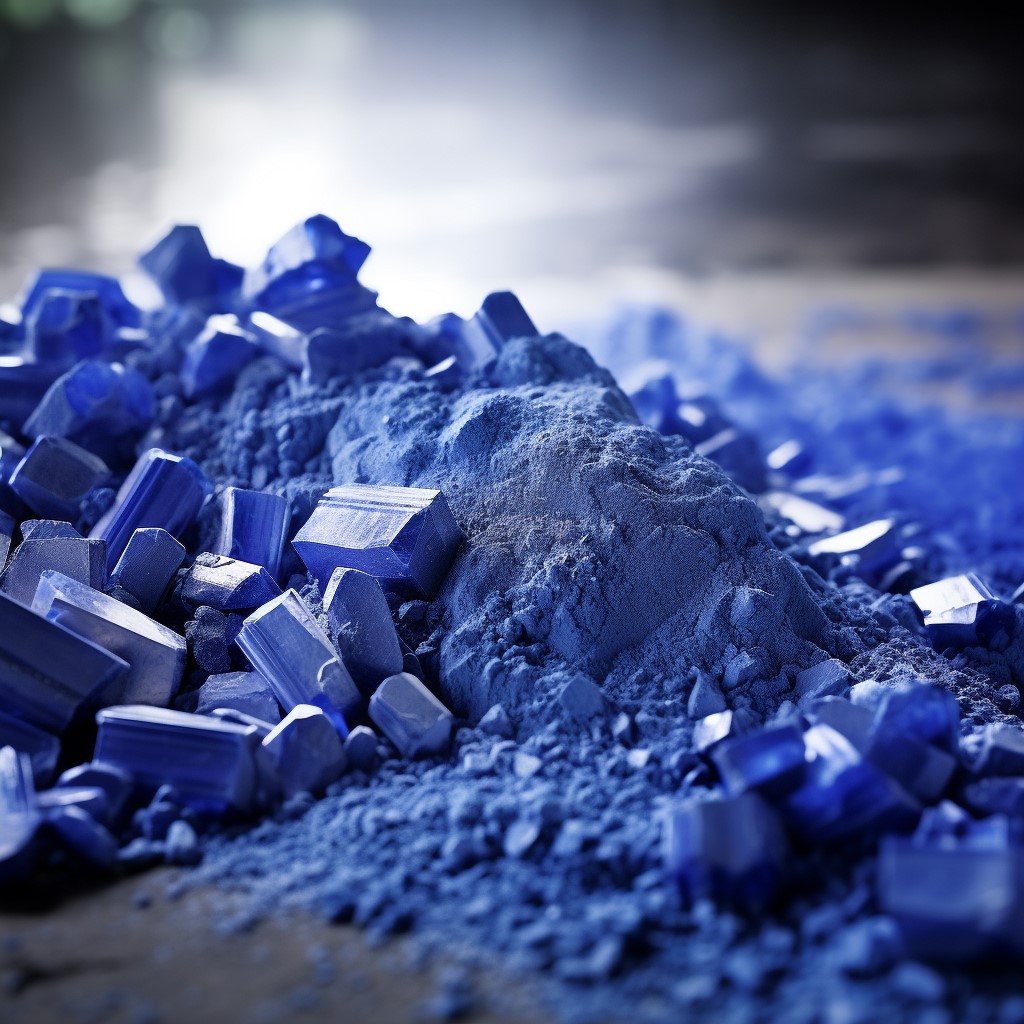
Cobalt is typically extracted from its ore through a series of processes, including roasting, smelting, and electrolysis. Initially, the ore is heated in a furnace with carbon and limestone, creating a cobalt(II) oxide. Further heating in the presence of carbon reduces this compound to cobalt metal, which is often then purified through electrolysis. Unfortunately, artisanal and small-scale mining practices in the DRC, which supply a significant portion of the global cobalt market, have been criticized for human rights abuses and environmental harm.