1 Jan 2022
Processing Expansion for Gallium in China
China increased primary low‑purity gallium production capacity by 100 kg t yr⁻¹ in 2022 to 750 kg t yr⁻¹, expanding output.
Commodity
Gallium is a soft, silvery-blue metallic element with the symbol Ga and atomic number 31. It is in the boron group and is primarily found in trace amounts in zinc ores and in bauxite, an aluminum ore. Gallium does not occur as a free element in nature. Gallium's primary use is in the semiconductor industry, where it is used to produce high-speed integrated circuits, semiconductor devices, and optical instruments. It...
Gallium is a soft, silvery-blue metallic element with the symbol Ga and atomic number 31. It is in the boron group and is primarily found in trace amounts in zinc ores and in bauxite, an aluminum ore. Gallium does not occur as a free element in nature.
Gallium's primary use is in the semiconductor industry, where it is used to produce high-speed integrated circuits, semiconductor devices, and optical instruments. It is also used in the manufacturing of LEDs and laser diodes. Moreover, gallium is used in medical imaging and in the production of high-temperature thermometers and vacuum gauges.
Gallium is produced from the by-products of zinc and aluminum refining. It is obtained from the zinc smelting process as a by-product, and it is also extracted from aluminum ore through a process called the Bayer process. Once obtained, gallium is purified through a series of processes, including liquation, distillation, and electrolysis.
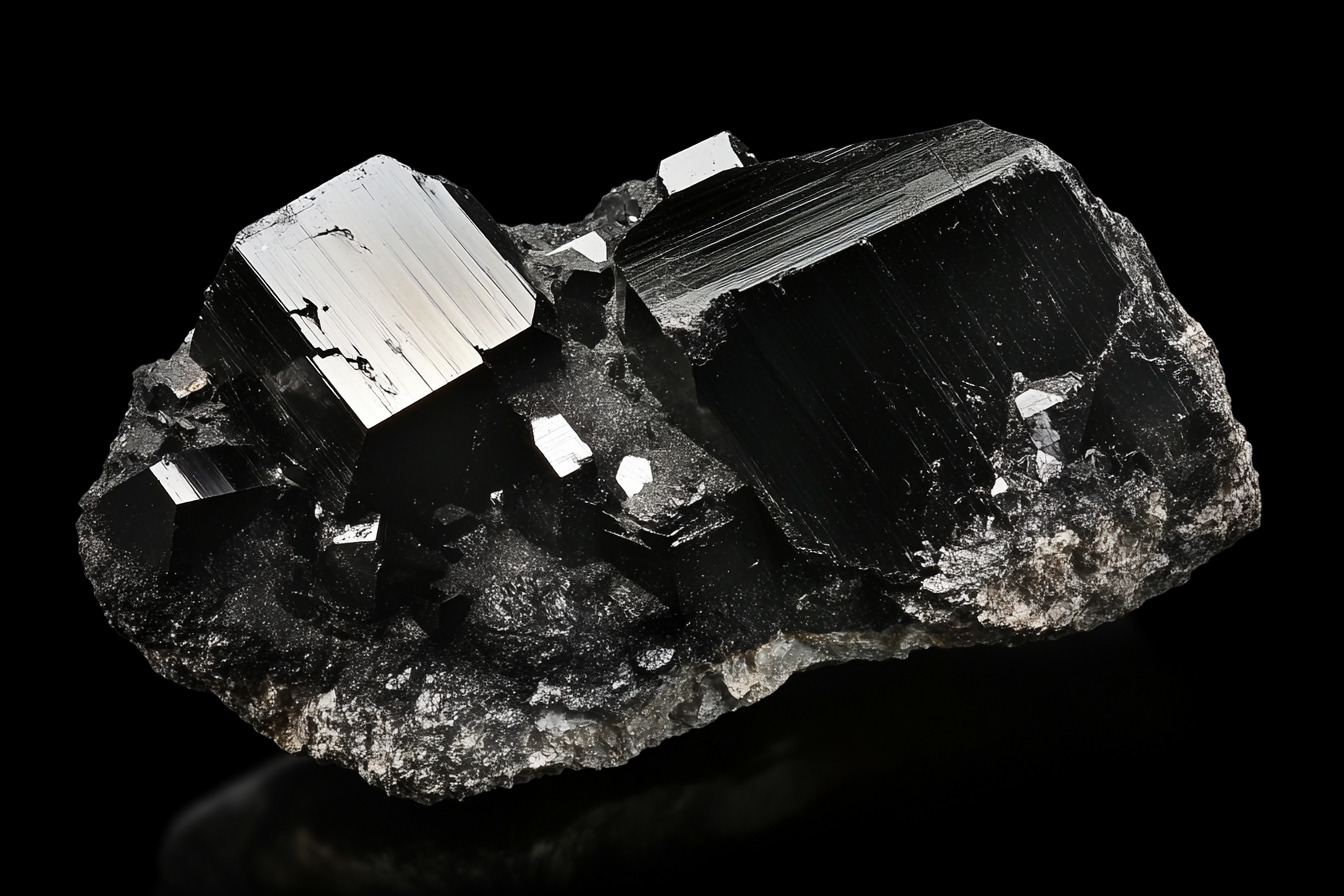
 Production
Gallium
Production
Gallium
Gallium is a metal extracted and purified primarily as a byproduct from aluminum and zinc processing, used in electronics and renewable energy technologies.
Gallium is a metal extracted and purified primarily as a byproduct from aluminum and zinc processing, used in electronics and renewable energy technologies.
Trade
Rare Earth Metals
This commodity encompasses various forms of materials such as powders, alloys, and finished products used in niche industrial sectors including electronics, aerospace, and chemicals.
This commodity encompasses various forms of materials such as powders, alloys, and finished products used in niche industrial sectors including electronics, aerospace, and chemicals.
Market intelligence
China increased primary low‑purity gallium production capacity by 100 kg t yr⁻¹ in 2022 to 750 kg t yr⁻¹, expanding output.
High‑purity refined gallium production rose 16 % in 2022, reflecting expanded output across Canada, China, Japan, Slovakia, and the United States.
COVID‑19 pandemic in 2020 caused Chinese gallium producers to slow or shut down operations, reducing supply.
Germany announced plans to eventually restart primary gallium production in 2019, signaling potential future supply.
China imposed environmental restrictions on bauxite production in 2019, increasing gallium extraction costs.
The United States imposed higher import tariffs on gallium from China in 2019, restricting imports and impacting U.S. supply chains.
U.S. imposed higher tariffs on Chinese gallium exports, reducing U.S. imports in 2019.
The United Kingdom ceased high‑purity refined gallium production in 2018, cutting a key source of refined material.
U.S. gallium stockpiling increased in 2018 in anticipation of possible Chinese tariffs, altering inventory levels and market dynamics.
United Kingdom ceased high‑purity refined gallium production in 2018, reducing global supply.
Germany ceased primary gallium production in 2016, tightening the global supply chain.
China expanded primary low‑grade gallium production capacity to 600 t / yr in 2016, increasing global supply potential.
No events match the selected year.