1 Dec 2024
Export Restriction for Antimony in China
China banned all antimony exports to the United States, imposing a complete export ban and restricting US market access.
Commodity
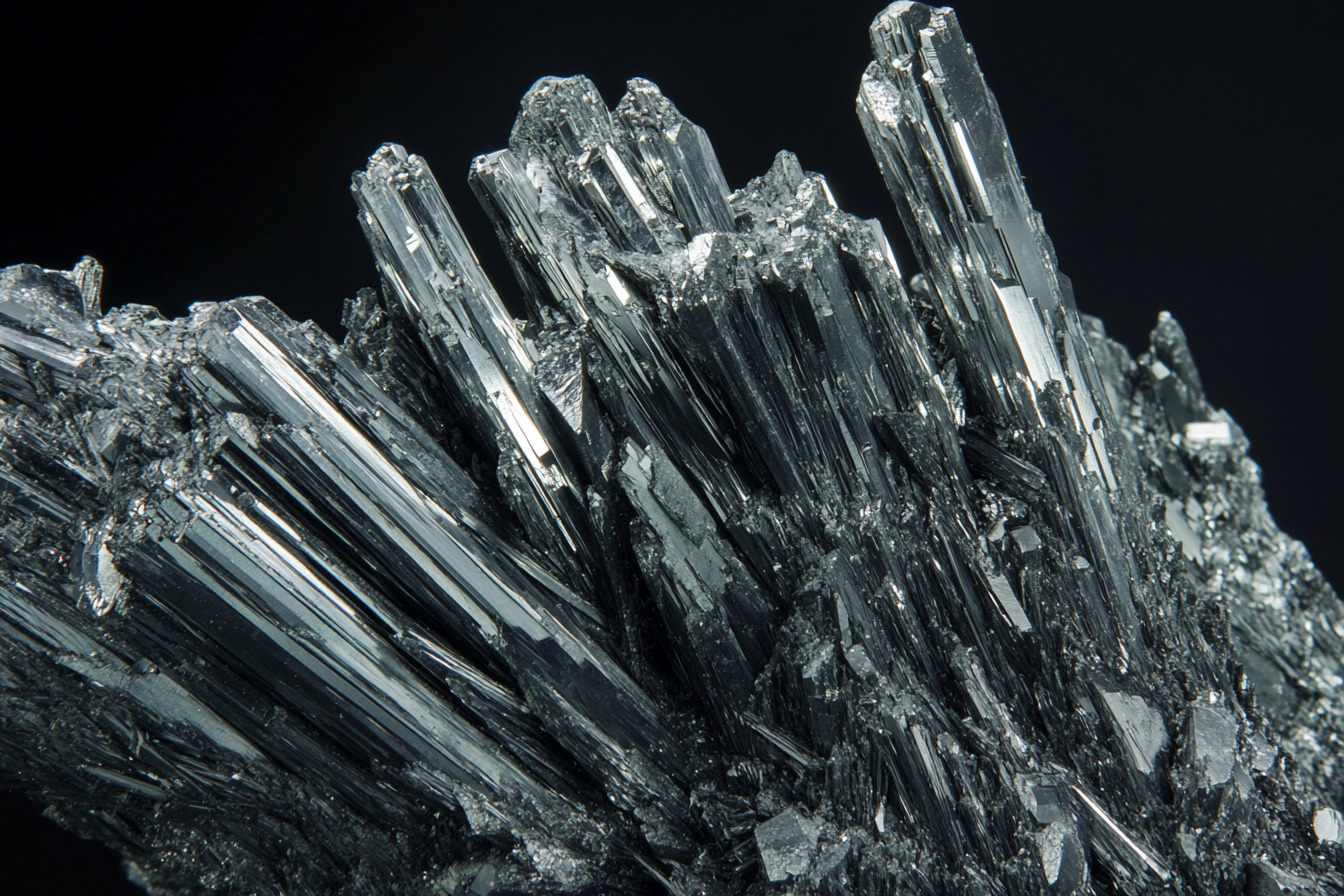
Antimony is a chemical element with the symbol Sb and atomic number 51. It is a silvery gray, brittle, semi-metal that is found in nature mainly as the sulfide mineral stibnite (Sb2S3). Antimony is primarily produced from stibnite, which is mined in China, Bolivia, and South Africa. Antimony has a number of important uses. Its most significant use is as a flame retardant in materials such as plastics, textiles, and e...
Antimony is a chemical element with the symbol Sb and atomic number 51. It is a silvery gray, brittle, semi-metal that is found in nature mainly as the sulfide mineral stibnite (Sb2S3). Antimony is primarily produced from stibnite, which is mined in China, Bolivia, and South Africa.
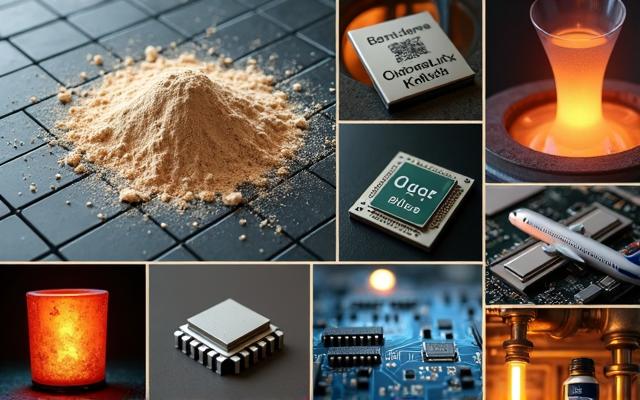
Antimony has a number of important uses. Its most significant use is as a flame retardant in materials such as plastics, textiles, and electronics. It is also used in alloys, where it increases the hardness and strength of the metal. In addition, antimony is used in the production of batteries and glass, and as a catalyst in the production of polyethylene terephthalate (PET) plastic.
Antimony is typically produced through a process known as smelting, in which the sulfide mineral stibnite is heated in the presence of oxygen to convert it into elemental antimony. The antimony is then separated from the resulting slag and purified through a series of additional processes. Some antimony is also produced as a byproduct of lead and copper smelting.
 Production
Antimony
Production
Antimony
Antimony is a valuable metal element used primarily for flame retardants, batteries, printing type, medicines, pigments, ceramics, alloys, and other industrial applications.
Antimony is a valuable metal element used primarily for flame retardants, batteries, printing type, medicines, pigments, ceramics, alloys, and other industrial applications.
Trade
Antimony Ore
Antimony is a silvery gray, brittle semi-metal primarily used as a flame retardant and stabilizer in plastics, rubber, and other materials.
Antimony is a silvery gray, brittle semi-metal primarily used as a flame retardant and stabilizer in plastics, rubber, and other materials.
Trade
Antimony Oxides
Antimony oxides are a significant trade commodity used in flame retardants, ceramics, glass, alloys, and batteries due to their properties that enhance durability, hardness, and mechanical performance.
Antimony oxides are a significant trade commodity used in flame retardants, ceramics, glass, alloys, and batteries due to their properties that enhance durability, hardness, and mechanical performance.
Market intelligence
China banned all antimony exports to the United States, imposing a complete export ban and restricting US market access.
China required export license applications for all antimony products, tightening export controls and impacting global antimony supply chains.
U.S. Department of Defense conditionally awarded additional funding to an Idaho mining company to reestablish a domestic antimony source, supporting domestic production.
Chinese government revised antimony reserves based on new reports, updating reserve estimates for China.
Vietnamese government revised antimony reserves based on new reports, updating reserve estimates for Vietnam.
Refined antimony price spiked to $6.65 per pound in October 2021 amid supply constraints.
Perpetua Resources Corp. entered a supply agreement with Ambri Inc. to provide antimony from the Stibnite Gold Project for its liquid‑metal battery development.
Perpetua Resources Corp. signed a collaboration agreement with U.S. Antimony Corp. to explore processing antimony concentrate from the Stibnite Gold Project at USAC facilities.
U.S. federal agencies mandated immediate cleanup of contaminated conditions at Idaho's abandoned Stibnite mining district, imposing regulatory compliance for the project.
Russia’s Olimpiada Mine reduced antimony production to 2,500 t in 2021, a significant decline from 11,000 t in 2020, impacting global supply.
The COVID‑19 pandemic disrupted China’s antimony ore supply chain from Burma, Russia, and Tajikistan, leading to higher prices and supply uncertainty.
China’s antimony mine production fell 38 % in 2021 due to lower‑grade ores and declining reserves, shrinking domestic output.
No events match the selected year.