Commodity
Soda Ash
Soda ash, also known as sodium carbonate (Na2CO3), is a white, odorless powder that has a variety of uses in industry. Its origin can be traced back to natural deposits found in mineral form, known as trona, or can be produced synthetically through the Solvay process. The Solvay process involves the reaction of salt, ammonia, and carbon dioxide in water. The primary use of soda ash is in the production of glass. It a...
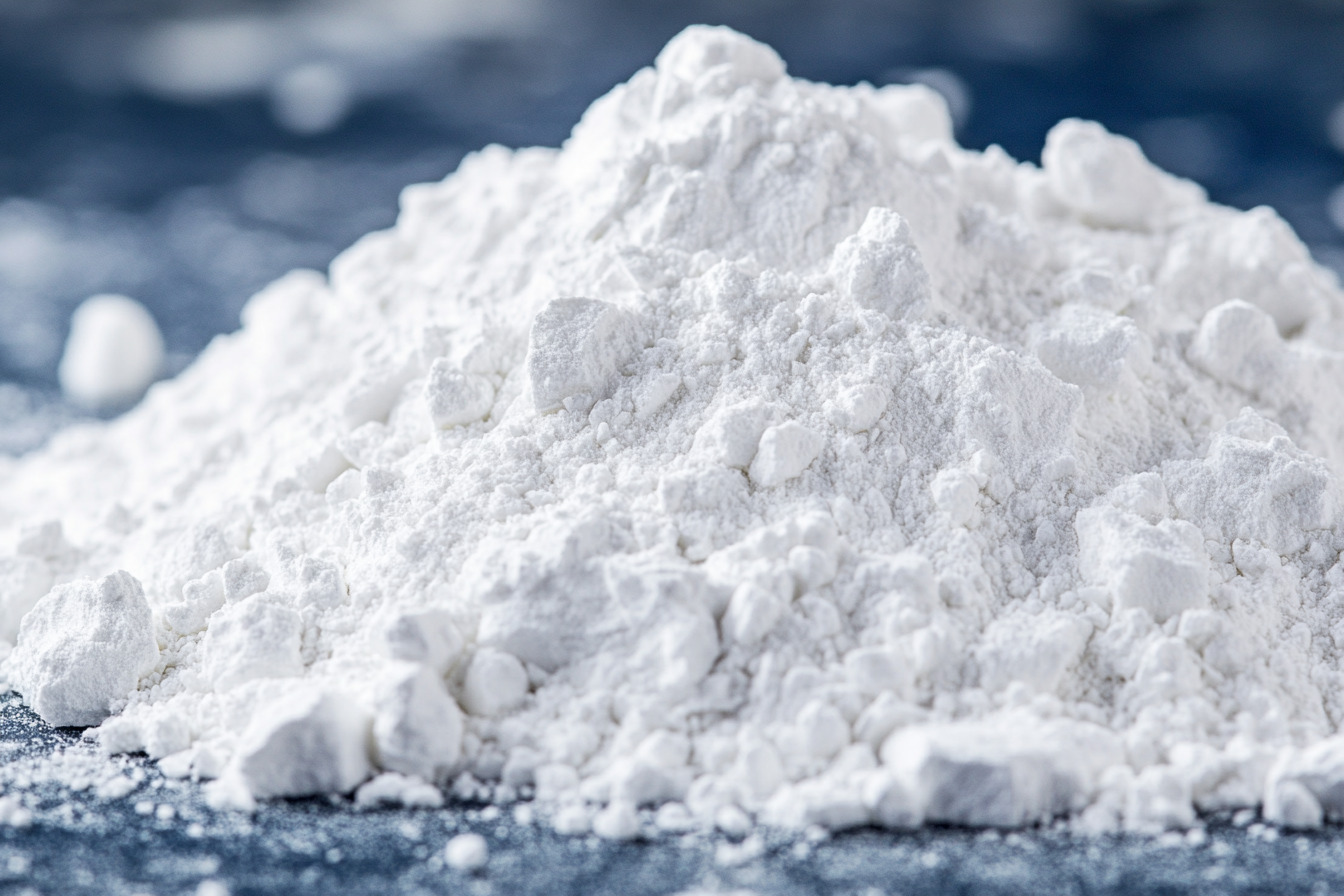
Soda ash, also known as sodium carbonate (Na2CO3), is a white, odorless powder that has a variety of uses in industry. Its origin can be traced back to natural deposits found in mineral form, known as trona, or can be produced synthetically through the Solvay process. The Solvay process involves the reaction of salt, ammonia, and carbon dioxide in water.
The primary use of soda ash is in the production of glass. It acts as a flux, lowering the melting point of silica sand and helping to create a clear, smooth product. Soda ash is also used in detergent manufacturing, paper production, and various chemical reactions as a source of sodium ions.
In terms of production, soda ash can be produced through the Solvay process, as mentioned earlier, or through the modification of brine by the addition of carbon dioxide. The brine is then heated to produce soda ash. Additionally, soda ash can be obtained as a byproduct of the production of other chemicals, such as sodium sulfate and caustic soda.
 Production
Mined Soda Ash
Production
Mined Soda Ash
Soda ash, also known as sodium carbonate, is a naturally occurring mineral used in various industrial processes including glass manufacturing, detergent production, pulp and paper manufacturing, textile processing, and c...
Soda ash, also known as sodium carbonate, is a naturally occurring mineral used in various industrial processes including glass manufacturing, detergent production, pulp and paper manufacturing, textile processing, and chemical production due to its ability to act as a flux, builder, and softening agent.