Rare Earths trade
Rare Earth Metals
Rare earth elements, also known as "Earth-metals, rare; scandium and yttrium," are a group of 17 chemical elements that include scandium, yttrium, and the lanthanides. Although they're not necessarily rare, these elements are difficult to find in concentrated deposits. These elements have many high-tech applications across various industries, including electronics, ceramics, glass, magnets, and batteries. Scandium is used in aerospace and sports equipment due to its strength and lightweight properties, while yttriu...
Rare earth elements, also known as "Earth-metals, rare; scandium and yttrium," are a group of 17 chemical elements that include scandium, yttrium, and the lanthanides. Although they're not necessarily rare, these elements are difficult to find in concentrated deposits.
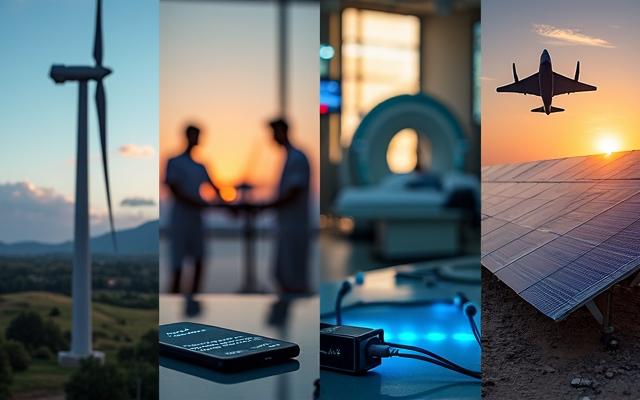
These elements have many high-tech applications across various industries, including electronics, ceramics, glass, magnets, and batteries. Scandium is used in aerospace and sports equipment due to its strength and lightweight properties, while yttrium is used in superconductors, medical equipment, and LED lighting. Lanthanides are used in a range of products, such as electric vehicle batteries, wind turbines, and color televisions.
The mining and processing of rare earth metals can be environmentally damaging, leading to concerns about resource depletion, geopolitical tensions, and sustainable mining practices. The global trade of rare earth elements involves long-term contracts, spot purchases, and futures markets, with international regulations and tariffs applying to their sale as concentrates or semi-processed products.
Global Trade Maps
Country-level reported imports and exports by year.
Bilateral Trade Flow Map
Net export flows between reporting partners filtered by global trade share.
Global Net Trade Network
Bilateral trade structure for the selected year.