Strontium production
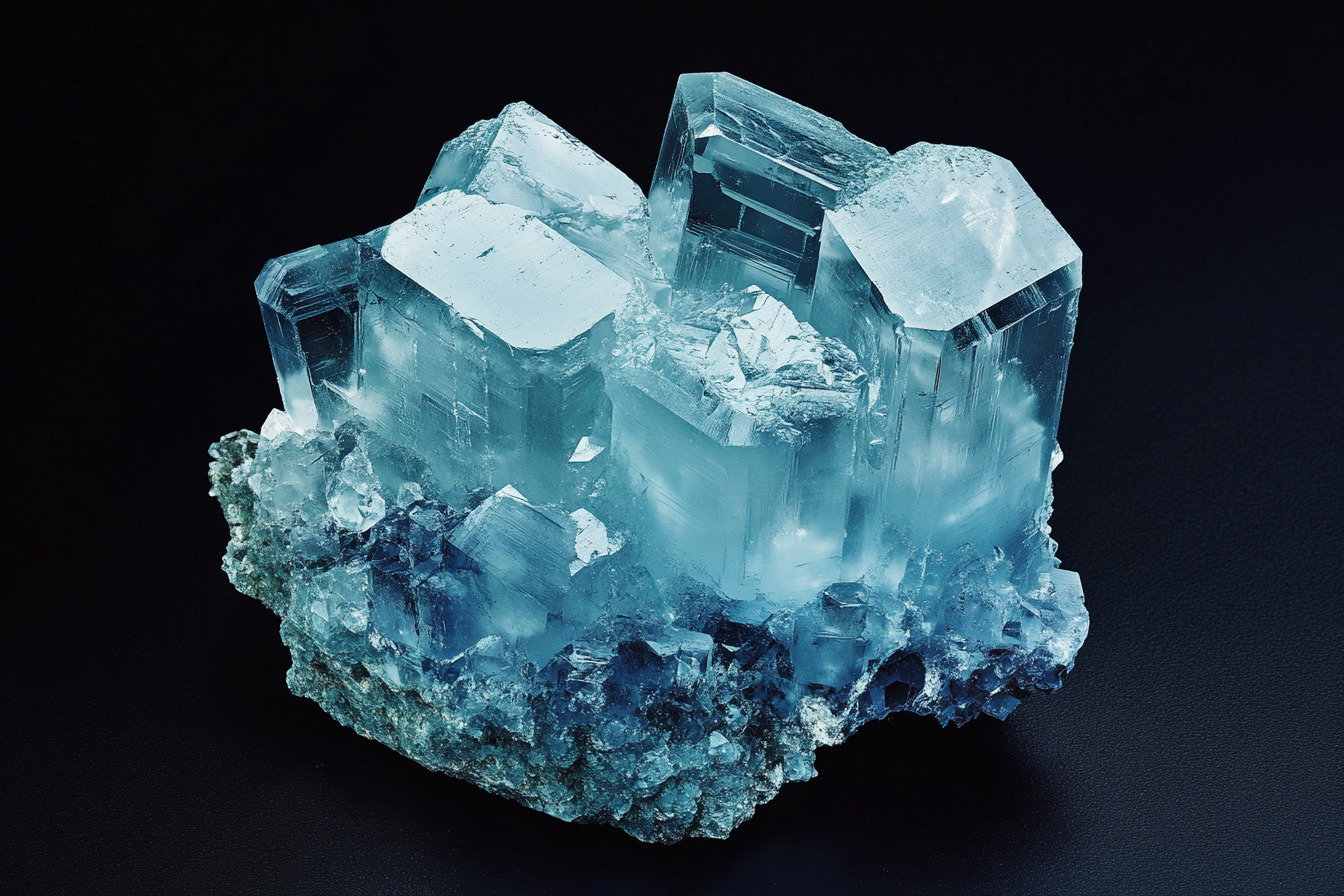
Celestite
Celestite is a mineral composed of strontium sulfate (SrSO4). It has a blue-white, yellowish-white, or grayish color with a vitreous luster. Its name comes from its characteristic brilliant blue streak, reminiscent of the night sky. The primary use of celestite is as a source of strontium, which is used in various industrial applications. Strontium compounds are produced for fireworks, glow-in-the-dark products, and TV picture tubes. Celestite is also used to make electronic components, glass, and electron tubes. C...
Celestite is a mineral composed of strontium sulfate (SrSO4). It has a blue-white, yellowish-white, or grayish color with a vitreous luster. Its name comes from its characteristic brilliant blue streak, reminiscent of the night sky.
The primary use of celestite is as a source of strontium, which is used in various industrial applications. Strontium compounds are produced for fireworks, glow-in-the-dark products, and TV picture tubes. Celestite is also used to make electronic components, glass, and electron tubes.
Celestite crystals form through the evaporation of seawater or alteration of strontium-rich rocks over millions of years. Miners extract celestite from the ground and process it through crushing, grinding, and separation to produce a pure final product suitable for industrial use.