Leucite trade
Leucite
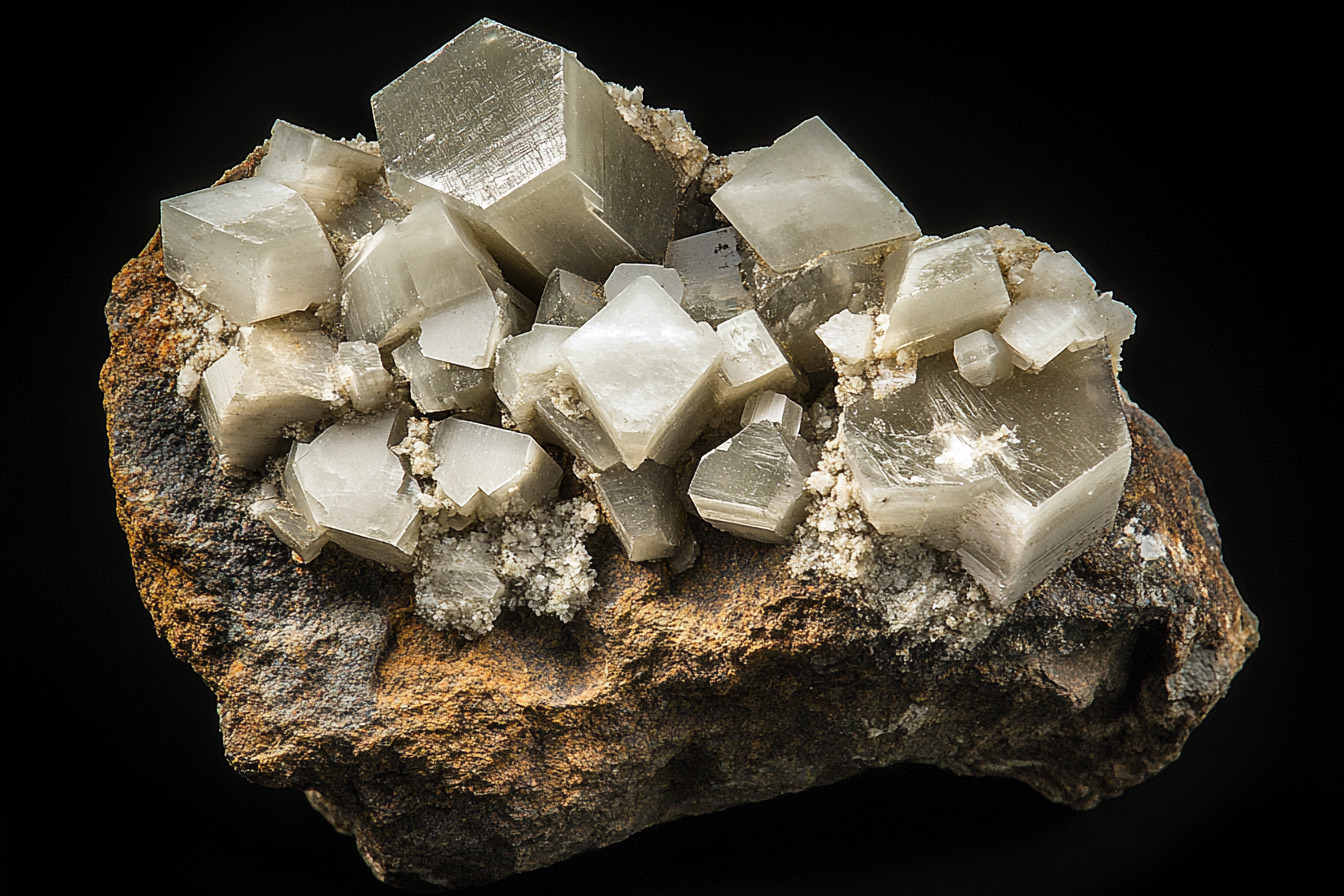
Leucite is a significant mineral commodity that primarily originates from Italy, Russia, and the United States. It's composed of potassium aluminum silicate, typically found in silica-deficient igneous rocks. Leucite is valued for its unique properties, such as low thermal expansion coefficient and high resistance to thermal shock, making it ideal for producing ceramics and glass. These products are used in various applications, including high-quality cookware, laboratory equipment, and insulation materials. Leucit...
Leucite is a significant mineral commodity that primarily originates from Italy, Russia, and the United States. It's composed of potassium aluminum silicate, typically found in silica-deficient igneous rocks.
Leucite is valued for its unique properties, such as low thermal expansion coefficient and high resistance to thermal shock, making it ideal for producing ceramics and glass. These products are used in various applications, including high-quality cookware, laboratory equipment, and insulation materials.
Leucite's extraction involves open-pit mining or quarrying, requiring heavy machinery, drilling, and blasting equipment. After crushing and milling into a fine powder, the ore undergoes chemical treatments to purify and refine it. Leucite is traded in various forms, subject to regulations that ensure safe handling, transportation, environmental protection, and worker health and safety.
Global Trade Maps
Country-level reported imports and exports by year.
Bilateral Trade Flow Map
Net export flows between reporting partners filtered by global trade share.
Global Net Trade Network
Bilateral trade structure for the selected year.